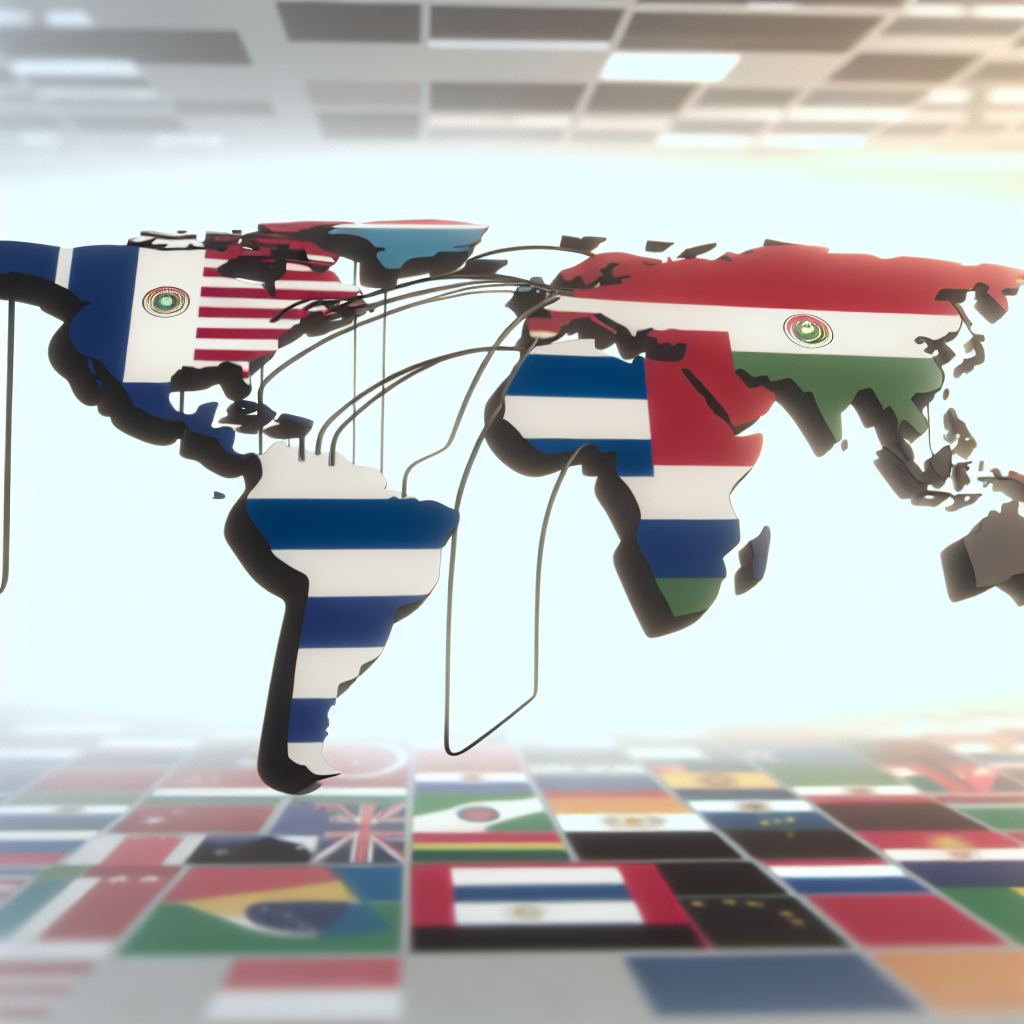
Paraguay, as a central member of Mercosur, is uniquely positioned to influence the bloc's future trajectory. With a robust agricultural sector and an increasing focus on manufacturing, Paraguay is poised to capitalize on the opportunities presented by the evolving South American trade environment. However, the path towards sustained economic growth and increased international trade is not without its challenges.
Mercosur, founded in 1991, is a South American trade bloc comprising Argentina, Brazil, Uruguay, and Paraguay. Its mission is to promote free trade and the fluid movement of goods, people, and currency. Paraguay, with its strong agribusiness sector and growing manufacturing capabilities, plays a vital role in this economic alliance.
With its strategic location in the heart of South America, Paraguay is a key conduit for Mercosur's trade. The country's extensive river system provides a natural transportation network, facilitating easy access to Atlantic and Pacific ports. This geographic advantage is complemented by Paraguay's commitment to improving its infrastructure, making it an attractive destination for foreign investment.
However, the nation's economic potential is not without its challenges. Paraguay must navigate complex diplomatic relations within Mercosur and beyond. Recent disputes over tariffs and trade agreements highlight the delicate balance of interests within the bloc.
Paraguay's government is keenly aware of these challenges. It has been actively pursuing economic reforms to attract foreign investment, diversify the economy, and enhance its competitiveness within Mercosur. Analysts suggest a successful implementation of these policies could significantly boost Paraguay's economic prospects.
Looking forward, Paraguay's role in Mercosur may serve as a barometer for the bloc's overall health. Success in its economic reforms and diplomatic maneuvers could provide a roadmap for other member nations. Conversely, failure could signal deeper systemic issues within Mercosur. Either way, Paraguay's journey will undoubtedly shape the future of trade in South America.