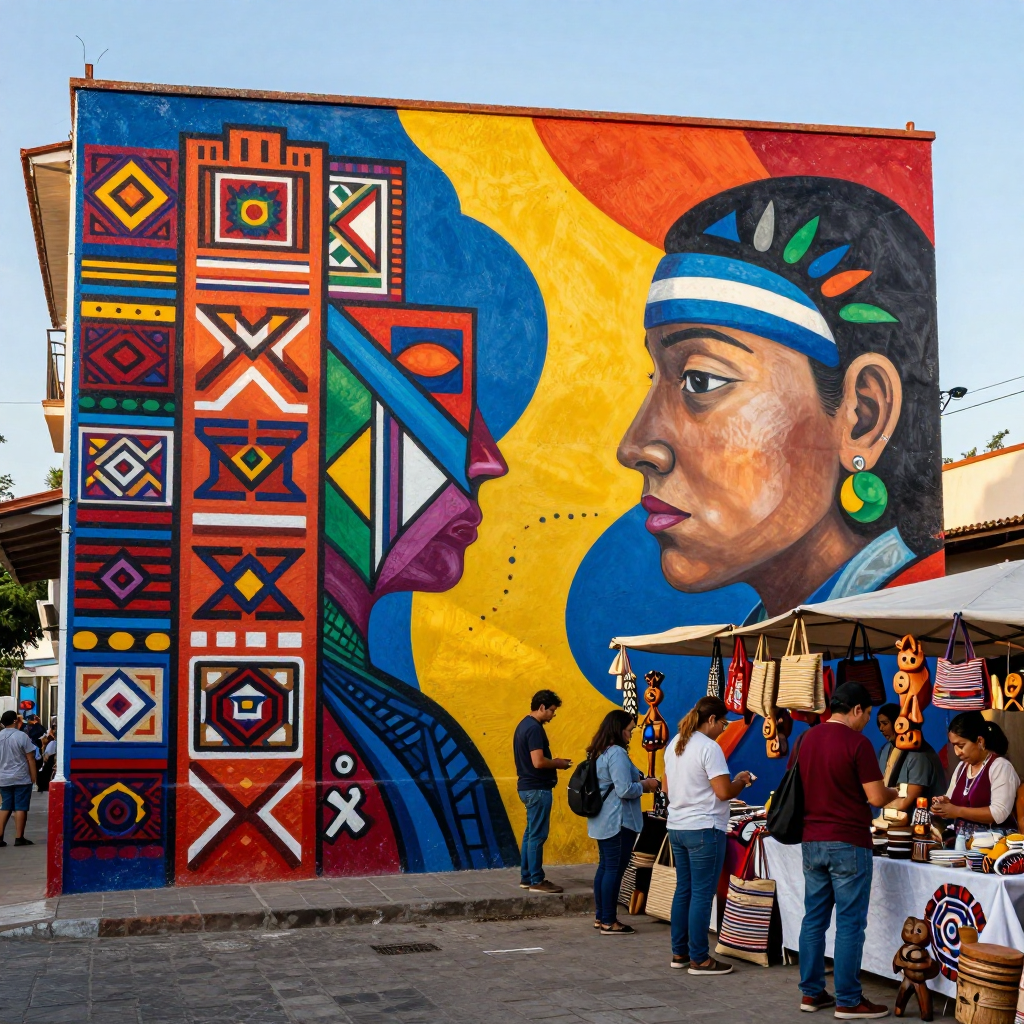
Asunción, Paraguay – In recent years, Paraguay has emerged as a burgeoning hub for cultural innovation, showcasing a rich tapestry of traditional and contemporary arts that is attracting global interest. This surge in cultural activity is not just a matter of local pride; it is reshaping the nation’s perception among international business communities and positioning Paraguay as a key player in Mercosur’s cultural diplomacy efforts.
At the heart of this transformation is the growing recognition of Paraguay's unique cultural assets, which include its mestizo heritage, indigenous languages, and diverse artistic expressions. The National Institute of Culture (INC) has played a pivotal role in supporting artists and institutions, leading to increased visibility both domestically and internationally. Exhibitions, festivals, and digital platforms have been instrumental in amplifying Paraguayan voices, with notable success stories such as the annual Encuentro Internacional de Artes Visuales, where local talent competes alongside international artists.
From a business perspective, this cultural revival could have significant implications for economic growth in Paraguay. Analysts suggest that the increasing cultural footprint may stimulate tourism, a sector already contributing significantly to the country's GDP. The Ministry of Industry and Commerce is actively promoting cultural tourism by aligning it with existing trade partnerships within Mercosur. For example, Paraguayan artisans' participation in regional fairs and exhibitions has boosted exports of handcrafted goods.
Moreover, cultural collaborations are fostering new partnerships between Paraguay and neighboring countries. The Paraguay-Mercosur Cultural Exchange Initiative, launched last year, aims to strengthen artistic ties across the region while encouraging cross-border investments in the creative industries. These initiatives are not only enhancing cultural exchange but also creating opportunities for joint ventures in areas such as film production, music festivals, and cultural tourism.
However, challenges remain. Infrastructure development, particularly in remote areas, is crucial to ensure that the benefits of cultural growth are widespread. Additionally, securing funding for long-term cultural projects requires balanced fiscal policies that prioritize sustainable investment. Government reports indicate plans to allocate increased budgets toward cultural development in the coming fiscal year, signaling a commitment to nurturing Paraguay's artistic potential.
For businesses operating within Mercosur, the cultural renaissance in Paraguay offers a compelling narrative that can be leveraged for brand storytelling and market expansion. Companies investing in Paraguay's cultural sector may find synergies with their broader regional strategies, especially in tourism, hospitality, and creative industries.
In conclusion, Paraguay’s cultural renaissance is more than an artistic movement—it is a strategic endeavor that could redefine the nation’s role within Mercosur. By focusing on its cultural strengths, Paraguay is not only preserving its heritage but also opening doors for economic collaboration. As the world increasingly values cultural diversity and authenticity, Paraguay stands poised to carve out a distinctive niche in the global cultural landscape, benefiting both its people and its partners.