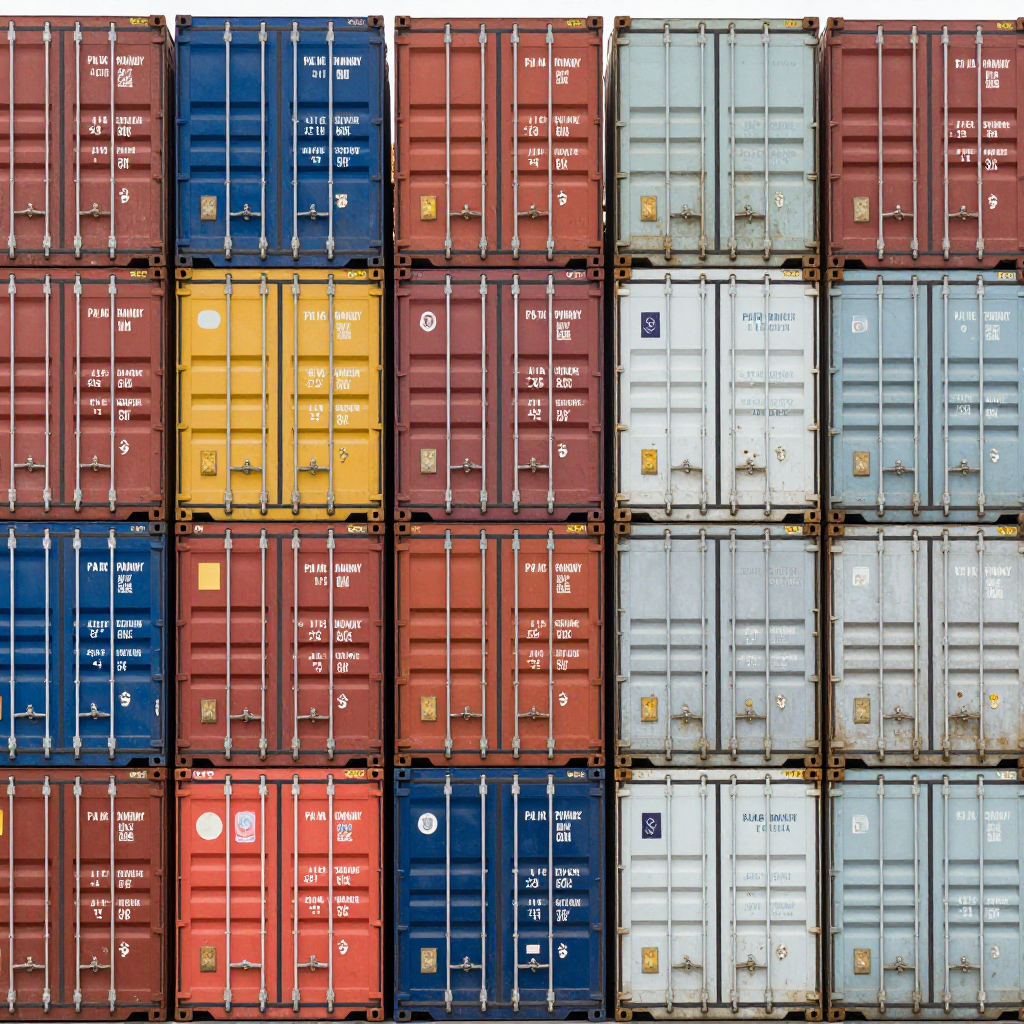
Asunción, Paraguay — In a strategic move to enhance its economic position within the Mercosur trading bloc, the Paraguayan government has unveiled a comprehensive set of trade-oriented policies that focus on streamlining regulations, reducing tariffs, and promoting cross-border cooperation. These initiatives come at a critical juncture as Paraguay seeks to solidify its role as a key player in South America's interconnected market landscape.
According to official statements released by the Ministry of Industry and Commerce, the primary goal of these reforms is to simplify the import-export process for businesses. By aligning more closely with Mercosur standards, Paraguay aims to reduce bureaucratic hurdles, lower customs duties for select products, and accelerate the movement of goods across borders. This approach not only benefits domestic industries but also opens up opportunities for multinational corporations looking to expand their operations within the region.
The announcement follows months of discussions and consultations among government officials, industry leaders, and trade experts. Key stakeholders have highlighted the potential for these measures to enhance Paraguay's competitiveness and attractiveness to foreign investors. "Mercosur integration has always been at the heart of our economic strategy," said a spokesperson from the Ministry. "These reforms signal our commitment to fostering a more robust and inclusive trade environment."
Analysts predict that the policy changes could particularly benefit sectors such as agribusiness, manufacturing, and renewable energy, which are central to both Paraguay’s economy and its trade relations within Mercosur. Paraguay's abundant natural resources, including hydroelectric power and agricultural exports, are expected to see increased demand as trade barriers decrease.
However, challenges remain, including ensuring effective implementation of the reforms and addressing concerns over the potential impact on local small and medium-sized enterprises (SMEs). Critics argue that without proper safeguards, larger businesses might gain disproportionate advantages, potentially overshadowing the development of smaller players. To mitigate this, the government has pledged to introduce parallel programs aimed at supporting SMEs through training, advisory services, and access to financing.
From a regional perspective, Paraguay's actions are seen as a step toward reinforcing the unity and strength of Mercosur. The bloc, which includes Brazil, Argentina, Uruguay, and Paraguay, has faced internal challenges in recent years, including differing priorities and economic disparities. Paraguay's proactive stance could serve as a catalyst for renewed collaboration. "This is a positive signal for Mercosur," noted a senior economist at a global financial firm. "If successful, Paraguay could become a benchmark for trade liberalization within the bloc."
Looking ahead, the success of these policies will hinge on effective coordination between government agencies, private sector engagement, and public support. With an eye on long-term sustainability, Paraguay's leadership appears committed to balancing immediate economic gains with sustainable development goals. As the nation navigates these reforms, international businesses are closely watching for opportunities to capitalize on the evolving trade dynamics of Mercosur.