Asunción, Paraguay — In a significant move aimed at bolstering its regional and international trade standing, the Paraguayan government has recently outlined a series of strategic policy reforms that could reshape the country's economic landscape. These initiatives, spearheaded by the National Congress, focus on streamlining regulations, improving investment conditions, and enhancing Paraguay's integration within the Mercosur bloc. Experts suggest that these efforts could attract greater foreign direct investment and strengthen Paraguay's position as a key player in South America’s dynamic economy.
At the heart of the government's agenda is the push for increased efficiency in customs procedures, which analysts view as crucial for facilitating smoother cross-border trade. Recent legislative proposals aim to reduce bureaucracy, expedite export and import processes, and harmonize standards with those of neighboring Mercosur countries. This alignment is expected to enhance Paraguay's attractiveness to multinational corporations seeking to leverage its strategic geographic location and abundant natural resources.
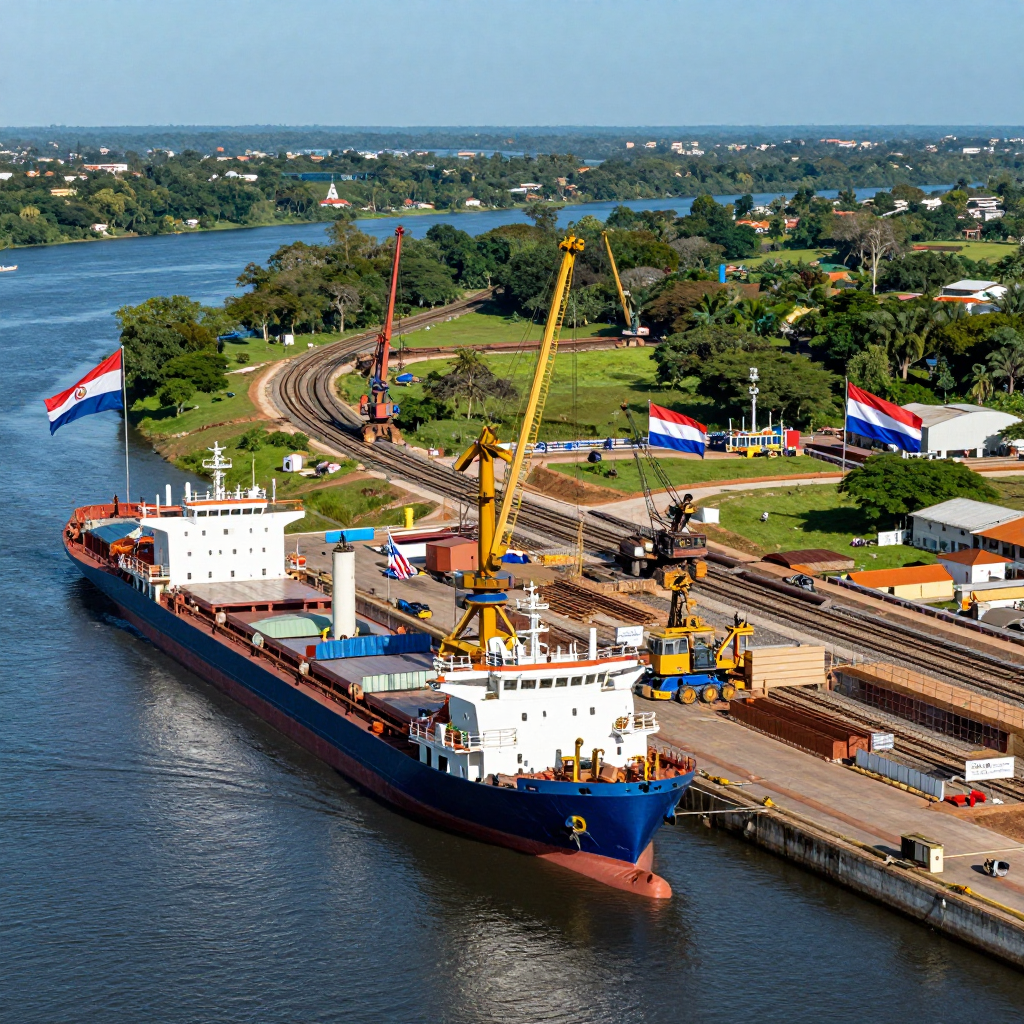
One of the primary areas of reform involves modernizing Paraguay's port infrastructure, particularly at the River Paraguay and Pacific Railroad (Ferrocarril Transandino del Paraguay). This initiative seeks to address logistical bottlenecks that have historically hindered trade flows. By investing in transport networks, the government hopes to tap into growing market opportunities within Mercosur and beyond, while also reducing costs for domestic businesses engaged in international commerce.
Simultaneously, lawmakers are considering tax incentives designed to encourage investment in key sectors such as agribusiness, energy, and logistics. These sectors are seen as pivotal to Paraguay's economic diversification strategy, providing stability amid global market uncertainties. The proposed measures include targeted tax exemptions for high-value projects, streamlined regulatory frameworks, and support for local suppliers in bid solicitations.
International business leaders operating in the region are closely monitoring these developments. They point out that if implemented effectively, these reforms could significantly enhance Paraguay's appeal as a low-cost production hub, particularly for companies looking to expand within Mercosur. However, challenges remain, including the need for robust enforcement mechanisms and ensuring transparency in public procurement processes.
Analysts emphasize that Paraguay's success in realizing these policy goals will depend on collaboration between the government, private sector stakeholders, and international partners. While the road ahead may involve navigating complex negotiations and overcoming administrative hurdles, the potential rewards—both for Paraguay and its trading partners—are substantial. As the nation continues its journey toward becoming a more integrated participant in regional and global trade networks, businesses worldwide are watching to see how these reforms translate into tangible economic benefits.