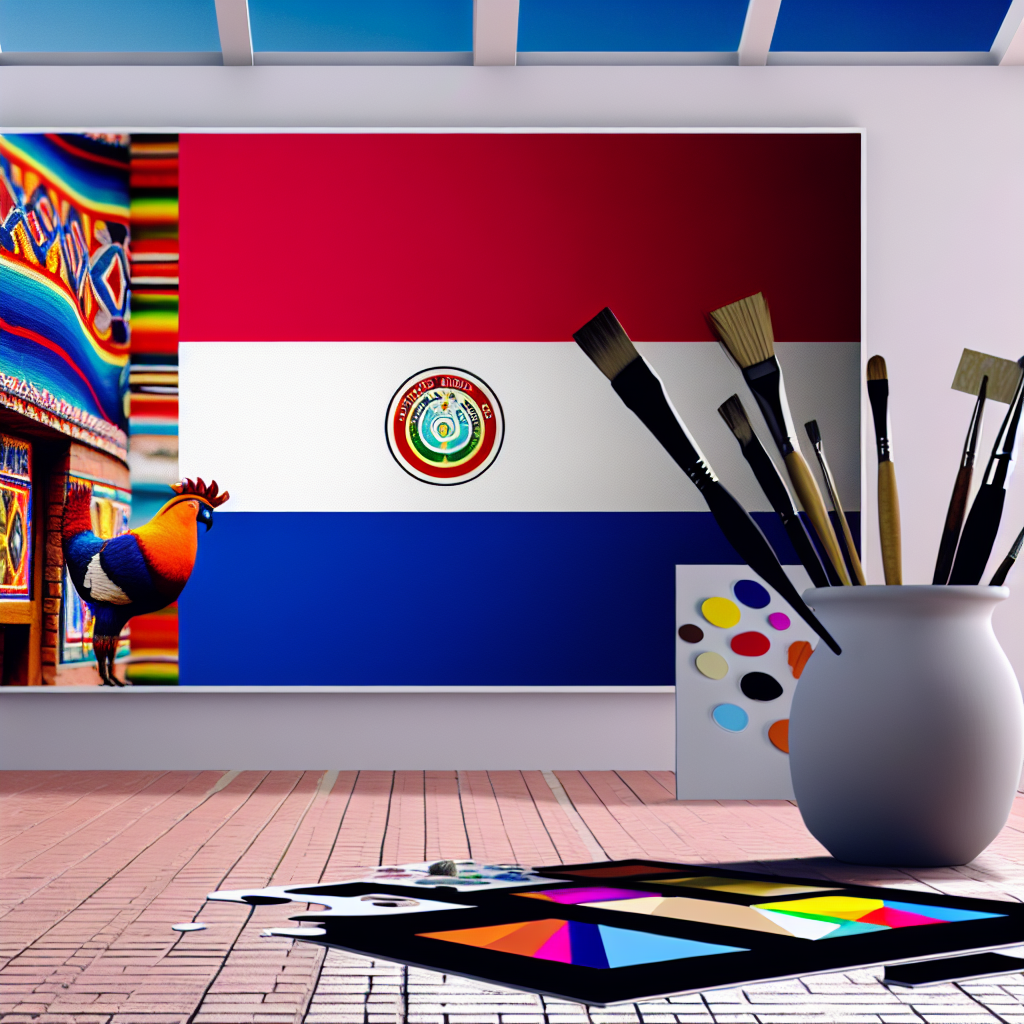
Paraguay, a landlocked nation in the heart of South America, is increasingly becoming recognized for its rich cultural heritage. This recognition is not only enhancing its global standing but is also opening up significant business opportunities, especially for international investors interested in the arts, education, and lifestyle sectors.
The Paraguayan government has been active in promoting the nation's culture on an international scale. Efforts such as the annual 'Festival de Asunción', showcasing Paraguayan music, dance, and cuisine, have drawn international crowds and attention to the country's vibrant cultural scene.
This cultural prominence has implications for business. The burgeoning arts sector, in particular, offers lucrative investment opportunities. Paraguay's music, crafts, and film industries are witnessing a surge in activity, with local artists gaining international acclaim and local products finding international markets.
In the education sector, there's growing interest in Paraguay’s indigenous languages, Guarani and Spanish, sparking a demand for language learning services. This presents an opportunity for edtech firms and language service providers, especially those looking to expand into the Mercosur region.
Paraguay's lifestyle sector is also seeing a transformation. The rising middle class is increasingly embracing a blend of traditional and modern aesthetics, leading to a boom in the home decor and fashion industries. International brands that can tap into this trend could find a receptive market in Paraguay.
However, it's not just about capitalizing on opportunities. Understanding Paraguay's culture is crucial for doing business in the country. From negotiating styles influenced by the local 'tranquilo' attitude, to business practices rooted in tight-knit community relationships, cultural knowledge can be a strategic advantage.
In conclusion, Paraguay's rich culture is not just a source of national pride; it's a potent asset for business expansion. International business entities looking towards Paraguay or the wider Mercosur region would do well to comprehend and appreciate this cultural landscape.