ASUNCIÓN, Paraguay — In recent months, Paraguay has witnessed a notable uptick in its economic performance, largely attributed to growing trade ties and improved economic indicators within the Mercosur trading bloc. This positive momentum is reshaping the country's standing as an attractive investment destination for businesses both domestically and internationally.
The latest data from the National Statistics Institute indicates that Paraguay's Gross Domestic Product (GDP) growth reached 3.5% in the first quarter of 2023, exceeding analysts' expectations. This surge is primarily fueled by robust agricultural exports, particularly soybeans and sugar, which account for a significant portion of the nation's trade. Mercosur member countries such as Brazil and Argentina remain key trading partners, with Paraguay leveraging preferential tariffs to bolster bilateral trade flows.
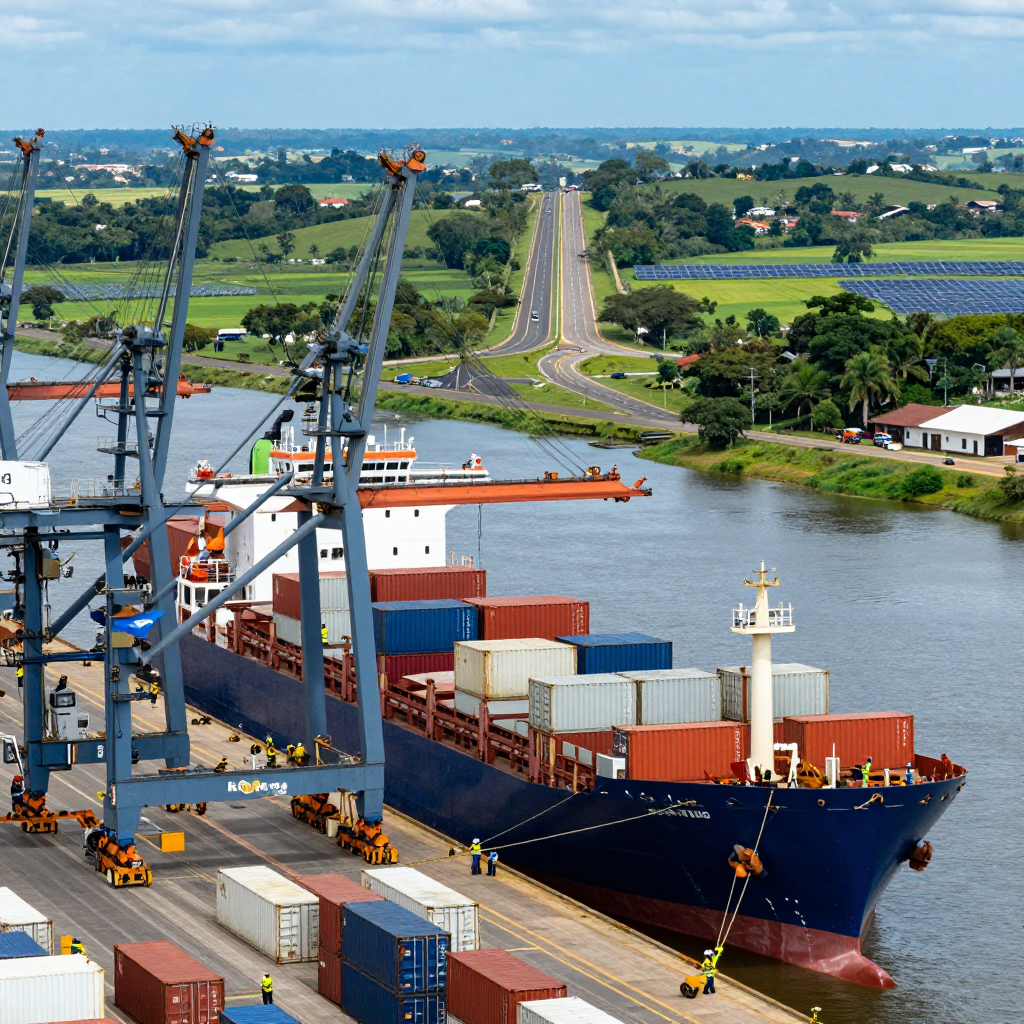
Furthermore, Paraguay's renewed focus on infrastructure development is expected to open new avenues for foreign investment. The government has initiated several projects aimed at modernizing transportation networks, including the expansion of existing ports and highways. These initiatives are designed to enhance logistics efficiency and reduce trade costs, making it easier for businesses to access global markets. Analysts suggest that the completion of these projects could position Paraguay as a critical logistical hub within Mercosur.
In addition to infrastructure, the renewable energy sector is emerging as another key driver of economic growth. Paraguay is renowned for its hydroelectric power, with the Itaipu Dam being one of the largest sources of green energy globally. Recent policy reforms have encouraged private sector investments in solar and wind projects, attracting interest from international firms. This shift toward renewable energy not only supports Paraguay's commitment to sustainable development but also presents opportunities for technology transfer and job creation.
However, despite these positive developments, challenges persist. Political stability concerns and bureaucratic hurdles continue to deter some investors. While the government has taken steps to streamline regulatory processes, ongoing efforts to build trust with international partners will be crucial. Additionally, the global economic slowdown poses risks to external demand, requiring Paraguay to diversify its export portfolio beyond traditional commodities.
Looking ahead, Paraguay's alignment with Mercosur policies remains central to its economic strategy. With the bloc actively pursuing free trade agreements with other regions, Paraguay stands to benefit from enhanced market access. Analysts anticipate that continued engagement with Mercosur will strengthen the country's economic resilience and attract further foreign direct investment.
In conclusion, while Paraguay faces challenges, the current economic indicators and strategic initiatives reflect a positive trajectory. By capitalizing on its strengths in agriculture, infrastructure, and renewable energy, Paraguay is poised to carve out a more prominent role within the Mercosur bloc and the broader international business landscape.