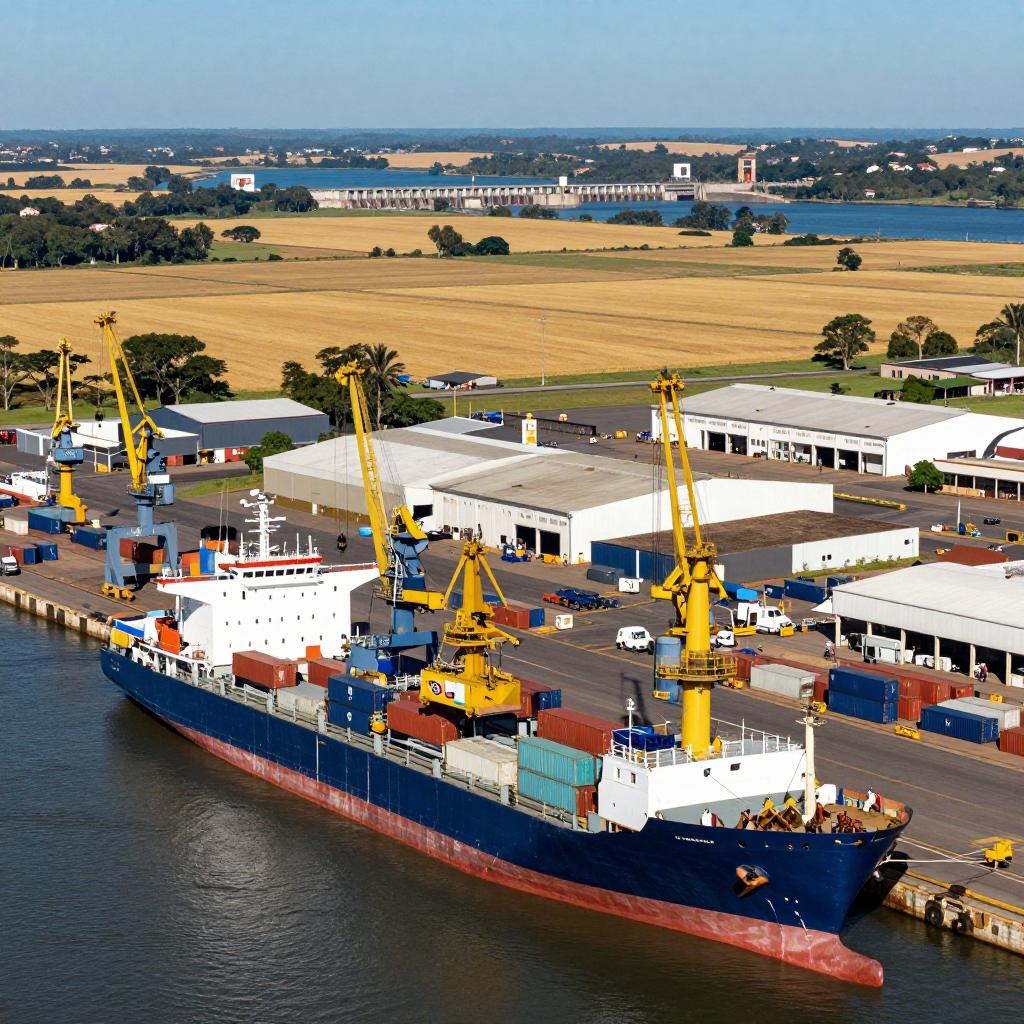
Asunción, Paraguay — Paraguay's economy is showing signs of continued stability and growth, offering favorable conditions for both domestic and international businesses. Recent data from the Paraguayan Central Bank indicates the country's gross domestic product (GDP) grew at a rate of 3.8% in the first half of 2023, driven primarily by robust agricultural exports and improved industrial activity. This growth aligns with broader economic recovery trends across the Mercosur region, though it remains below pre-pandemic levels observed in 2019.
In parallel, Paraguay's role within Mercosur is gaining increasing attention as the country seeks to leverage its geographical position to attract foreign investments. Serving as a land bridge between Brazil and Argentina, Paraguay offers unique logistical advantages for companies looking to access broader South American markets. "Paraguay is emerging as a key player in regional trade dynamics," said a spokesperson from the Ministry of Industry and Commerce. "Our focus is on developing infrastructure and enhancing trade facilitation measures to make Paraguay more attractive to investors."
The nation's agricultural sector remains a cornerstone of its economy, accounting for approximately 25% of GDP. Soaring global demand for soybean and cotton has bolstered export revenues, while hydropower projects, including the controversial Yacyretá Dam, contribute significantly to energy production and national budget receipts. However, challenges persist, particularly concerning infrastructure bottlenecks that hinder efficient transportation and logistics within the country. To address these issues, the government is investing in road and rail improvements, aiming to streamline supply chains and reduce costs for exporters.
On the trade front, Mercosur negotiations remain a focal point for Paraguay. The country's membership in the bloc provides preferential tariff treatment for exports to major markets such as Brazil and Argentina, which collectively account for over 60% of Paraguay's total trade volume. Additionally, discussions around potential Mercosur agreements with the European Union and other regional powerhouses could further open doors for Paraguayan goods. While analysts view these prospects positively, they caution that bureaucratic hurdles and internal disagreements among Mercosur members may slow progress.
For international investors, Paraguay presents a mix of opportunities and considerations. Its stable political environment and relatively low labor costs make it an appealing destination compared to some neighboring nations grappling with higher risks. At the same time, concerns about regulatory consistency and corruption remain, although recent efforts by the government to enhance transparency have been noted. Experts recommend that foreign entities partner closely with local firms to navigate the market effectively.
Looking ahead, Paraguay's economic trajectory appears promising, but success will depend on its ability to capitalize on regional partnerships while addressing domestic constraints. As the nation continues to pivot toward deeper integration within Mercosur and beyond, businesses are encouraged to monitor developments closely, leveraging the country's strategic location and competitive advantages.