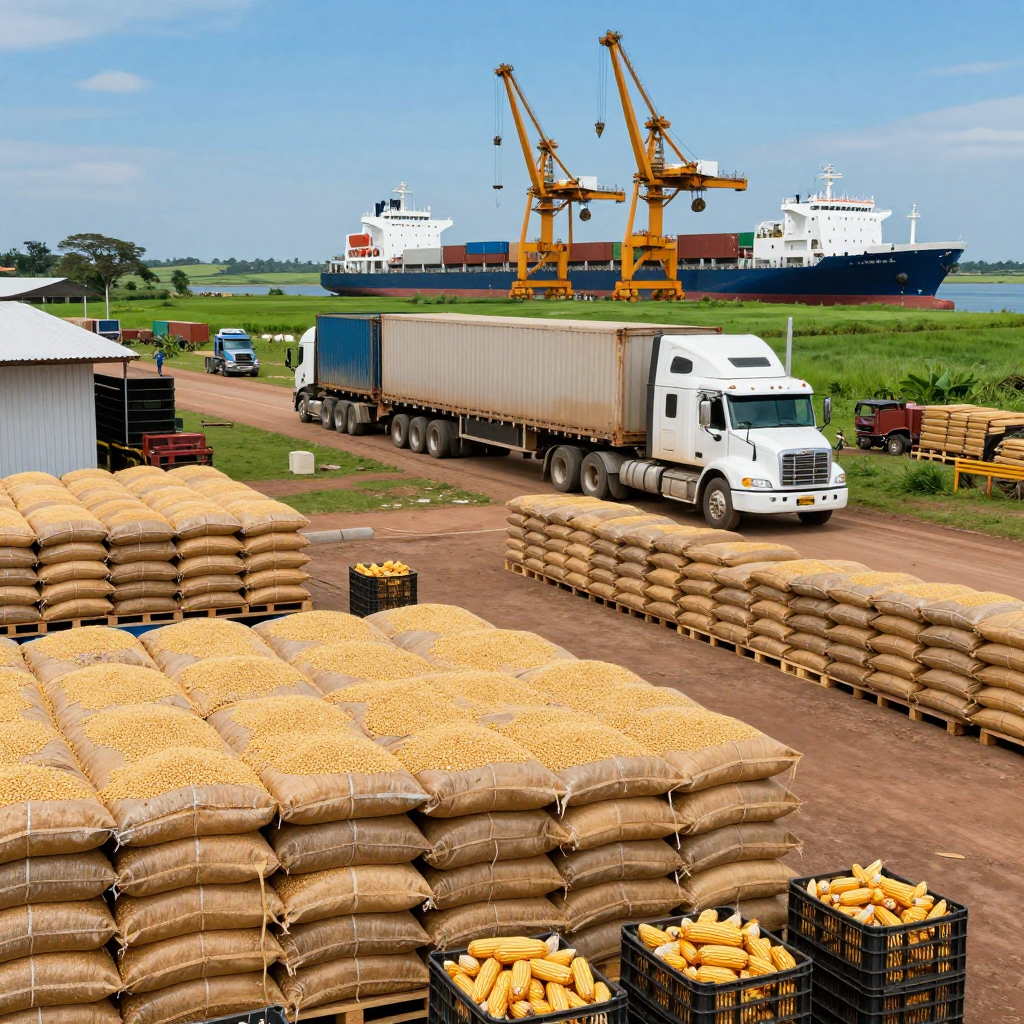
Asunción, Paraguay – Against a backdrop of global economic uncertainty, Paraguay continues to demonstrate strong economic performance, primarily fueled by its thriving agricultural sector and growing appeal to foreign investors. According to recent data from the Central Bank of Paraguay, the nation’s GDP growth remains steady, partially supported by increased exports of soybeans, corn, and cattle products, which account for a significant portion of the country's trade revenue.
The agricultural sector, often considered the backbone of Paraguay’s economy, experienced notable gains in 2023, with soybean production reaching record levels amid favorable weather conditions and rising global demand. These exports have not only bolstered the national economy but also strengthened Paraguay’s position as a key player within Mercosur, the South American trade bloc it joined in 1991 alongside Brazil, Argentina, Uruguay, and Venezuela.
Mercosur, which aims to enhance regional integration through reduced tariffs and unified trade policies, provides Paraguay with valuable access to larger markets. The country has strategically positioned itself as a bridge between Mercosur and neighboring countries such as Bolivia and Brazil, where it serves as a transit hub for goods moving across borders. This role is further reinforced by ongoing infrastructure projects, including the modernization of ports and highways, which are expected to enhance logistics efficiency and reduce trade barriers.
Investment flows into Paraguay have also risen in recent years, spurred by tax reforms aimed at attracting foreign capital and creating a more business-friendly environment. The government’s efforts to simplify bureaucratic processes for foreign investors have been pivotal in this regard, as evidenced by renewed interest from companies in sectors ranging from agribusiness to renewable energy. Analysts suggest that these policy changes could lead to sustained growth if coupled with continued improvements in the business climate and regulatory transparency.
However, challenges persist. While Paraguay benefits from its Mercosur membership, the bloc itself faces internal debates over trade policies and market access, particularly concerning non-member countries seeking closer ties. Additionally, Paraguay’s reliance on agricultural exports leaves it vulnerable to fluctuations in international commodity prices and weather-related disruptions. To mitigate these risks, analysts recommend diversifying the economy and strengthening local industrial capacity, areas where Paraguay is taking initial steps but still requires significant investment.
In conclusion, Paraguay’s economic trajectory appears positive, buoyed by its agricultural strengths and strategic role within Mercosur. As the country continues to attract investment and adapt to the evolving regional and global trade landscape, its capacity to leverage Mercosur opportunities while addressing domestic challenges will determine its long-term success. With careful planning and collaboration within the bloc, Paraguay is poised to consolidate its position as a resilient and dynamic member of South America’s economic framework.