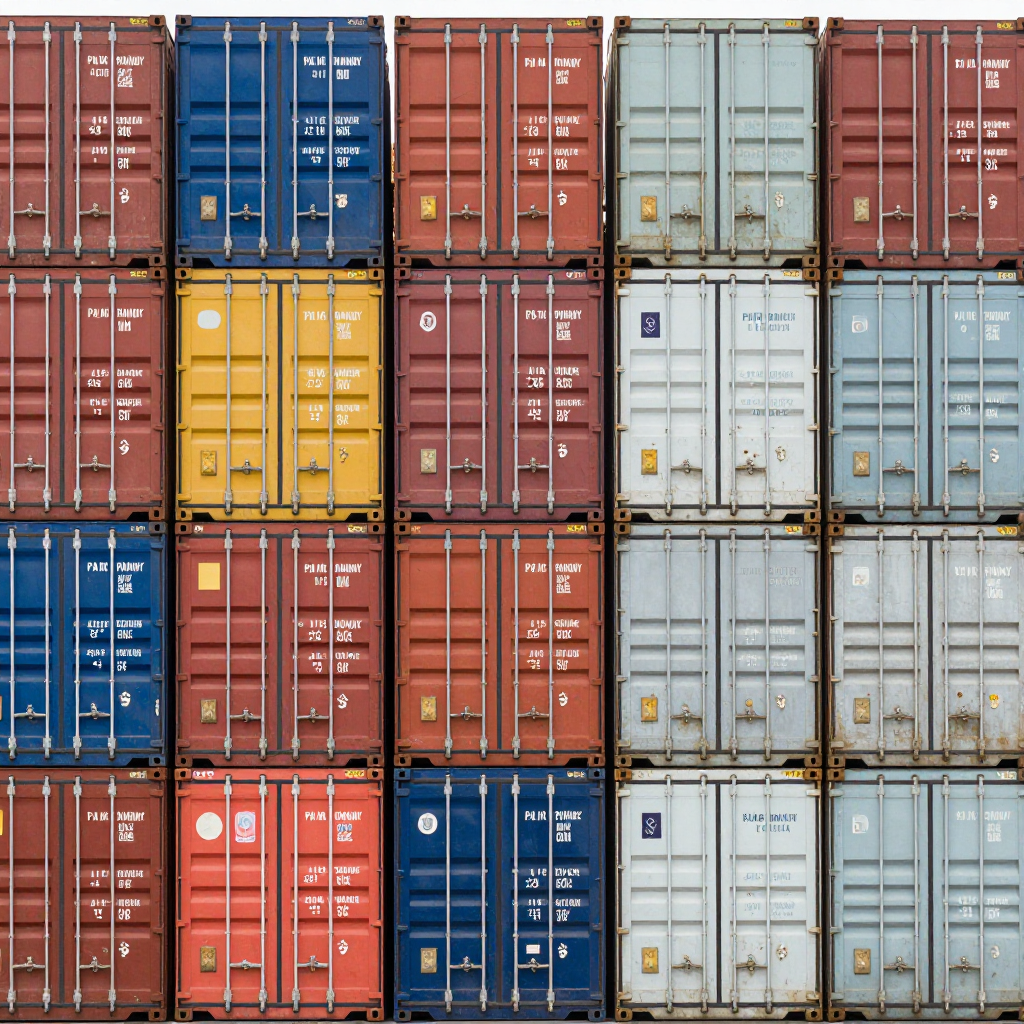
Asunción, Paraguay — In recent months, Paraguay has emerged as a key player in regional trade and investment dynamics within Mercosur, presenting promising opportunities for businesses looking to expand their footprint in South America. With its stable political environment and favorable market conditions, the country is actively working to capitalize on its unique geographical location and existing trade agreements.
Mercosur, the Southern Common Market, continues to play a pivotal role in shaping Paraguay's economic trajectory. The nation's membership in this bloc offers it preferential access to a combined market of over 290 million consumers across Argentina, Brazil, Uruguay, and Paraguay itself. Recent data indicates that intra-Mercosur exports from Paraguay have shown steady growth, particularly in agricultural products, machinery, and energy resources.
One area of significant focus is agriculture, where Paraguay's fertile lands and strategic exports of soybeans, corn, and beef have positioned it as a key supplier within the bloc. Analysts suggest that increased infrastructure investments, including improvements to road and rail networks, could further unlock Paraguay’s potential to serve as a logistics hub for trade between Mercosur members and third countries. This development may facilitate smoother movement of goods and reduce transit times, thereby enhancing competitiveness.
Foreign direct investment (FDI) inflows into Paraguay have also been on the rise, driven by sectors such as energy, agribusiness, and manufacturing. The country's low labor costs, favorable tax incentives, and relatively stable macroeconomic environment make it an attractive destination for investors. Notably, Paraguay has recently seen interest from Chinese firms exploring opportunities in renewable energy projects, particularly in solar and wind power, signaling a growing shift toward sustainable development initiatives.
However, challenges remain as Paraguay navigates its path to regional integration. Bureaucratic processes and regulatory hurdles continue to be cited by some analysts as areas requiring improvement to fully unlock the country's economic potential. Additionally, while Paraguay benefits from its membership in Mercosur, it must also manage the complexities of balancing trade relationships with non-bloc nations, especially amid global supply chain disruptions and shifting geopolitical dynamics.
To address these challenges, the government has emphasized the importance of streamlining administrative procedures and fostering greater transparency in public-private partnerships. These efforts aim to create a more investor-friendly environment while ensuring that economic policies align with broader regional goals. Furthermore, Paraguay is keenly observing developments within Mercosur, such as discussions around deeper trade integration and the potential expansion of the bloc, which could open new avenues for international cooperation and economic growth.
In conclusion, Paraguay's strategic position within Mercosur places it at a crossroads of opportunity and challenge. By leveraging its natural resources, improving infrastructure, and attracting foreign investment, Paraguay is well-positioned to capitalize on regional trade dynamics and contribute to the economic prosperity of the Southern Common Market. As the country continues to refine its approach to economic engagement, it remains a watchful eye on both domestic reforms and the evolving landscape of global trade.