Asunción, July [Insert Date] – Paraguay’s economy is gradually emerging from a period of modest growth, buoyed by a combination of favorable trade dynamics and targeted investment initiatives. In the first half of 2023, the country has seen a notable uptick in key economic indicators, reflecting a broader trend of stabilization and optimism within the Southern Cone region.
Central to Paraguay’s economic trajectory is its membership in Mercosur, the South American trade bloc that includes Brazil, Argentina, Uruguay, and Venezuela as a temporary observer. As one of the smaller economies in the group, Paraguay benefits significantly from its integration into the bloc’s unified market, which boasts over 290 million consumers. Mercosur’s recent efforts to modernize trade protocols and enhance digital connectivity have opened new avenues for Paraguayan businesses to expand their operations both domestically and internationally.
In recent months, Paraguay has witnessed increased interest from foreign investors, particularly in sectors such as agriculture, energy, and infrastructure. The country’s vast natural resources, including fertile land and abundant hydropower potential, continue to attract significant attention. Notably, ongoing projects related to renewable energy development, such as solar and wind farms, signal a shift towards sustainability that aligns with global investor preferences.
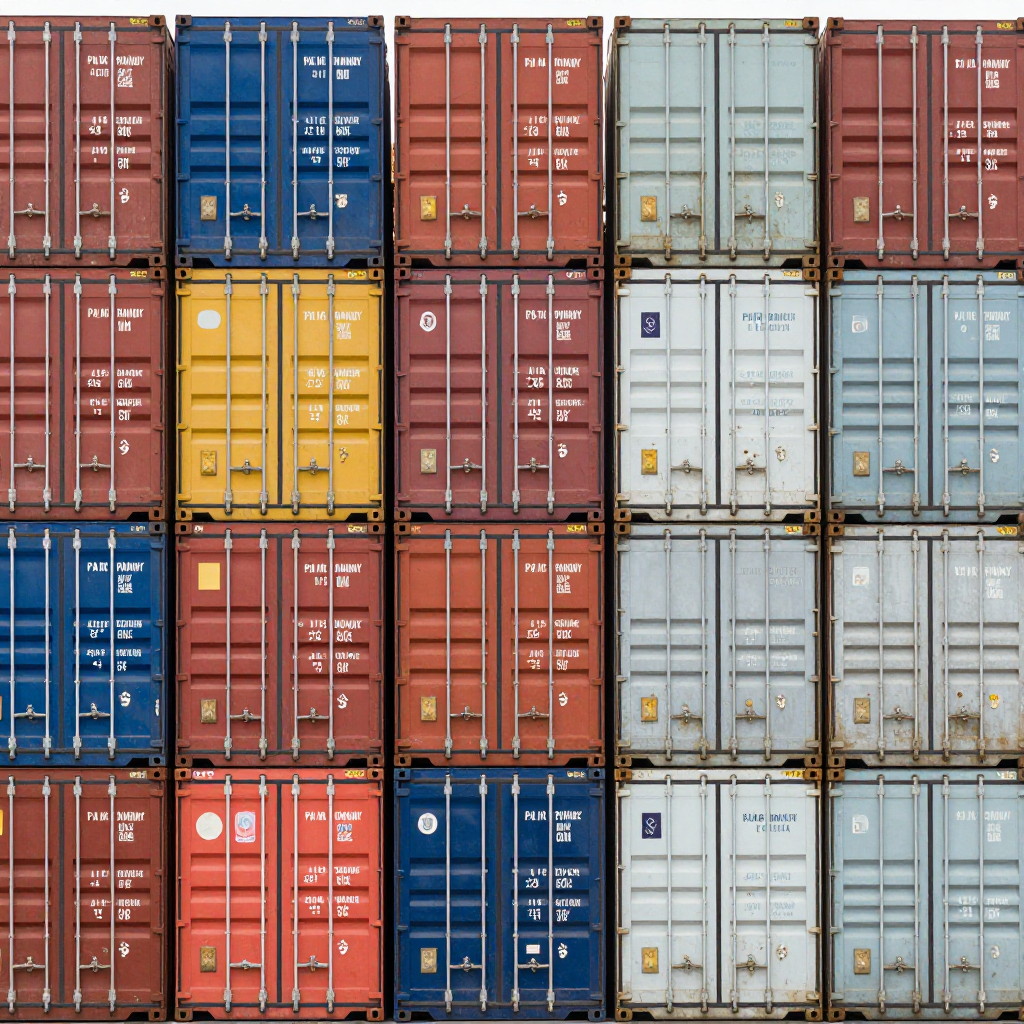
Trade figures also reflect positive momentum. According to official estimates, exports from Paraguay saw a year-over-year increase of approximately 7%, driven largely by agricultural products like soybeans, cotton, and timber. The robust performance of the agricultural sector is crucial for Paraguay, as it contributes significantly to GDP and employment. Meanwhile, imports have remained stable, indicating a balanced approach to external trade relations.
However, challenges persist. Domestic inflation remains a concern, with analysts cautioning that rising costs could impact consumer spending and overall economic activity. Additionally, political stability and regulatory clarity are areas where Paraguay can further improve to bolster investor confidence. Recent reforms aimed at streamlining business regulations and reducing bureaucratic hurdles are steps in the right direction but require continued implementation and monitoring.
From a regional perspective, Paraguay’s role within Mercosur is evolving. While the bloc faces external pressures, such as navigating trade relationships with non-member nations and adapting to global supply chain disruptions, Paraguay’s participation in ongoing discussions highlights its commitment to strengthening regional ties. This alignment with Mercosur’s strategic priorities positions Paraguay as a potential beneficiary of future trade concessions and economic partnerships.
Moving forward, Paraguay will need to focus on leveraging its unique strengths while addressing vulnerabilities. Continued emphasis on diversifying the economy, improving infrastructure, and enhancing educational opportunities for its workforce will be critical. Analysts suggest that successful implementation of these strategies could position Paraguay as a more attractive destination for foreign investment and a stronger partner within Mercosur.
In conclusion, Paraguay’s economic landscape presents a mix of opportunities and challenges. As the country navigates its path within Mercosur and beyond, stakeholders are closely watching how effectively it balances domestic priorities with regional commitments. With careful planning and execution, Paraguay has the potential to solidify its position as a promising hub for business and investment in South America.