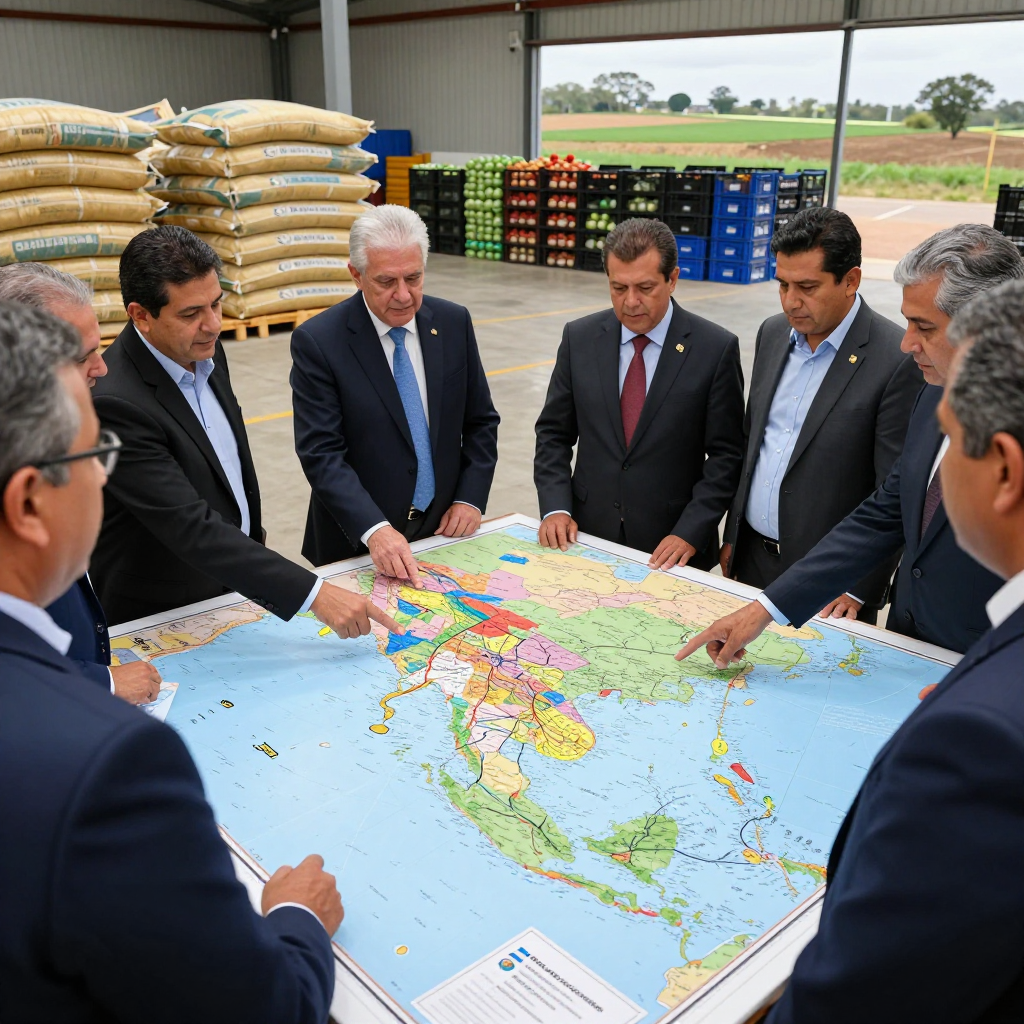
Asunción, Paraguay – In light of escalating global trade challenges and shifting geopolitical dynamics, Paraguay is actively seeking to bolster its trade relationships within the Mercosur bloc. The country’s recent focus on strengthening regional ties comes amid a backdrop of fluctuating commodity prices and evolving global trade policies that have impacted the nation’s export-driven economy.
Mercosur, which comprises Argentina, Brazil, Paraguay, Uruguay, and Venezuela (currently suspended), has been a cornerstone of Paraguay’s economic strategy since its inception. However, recent years have seen both opportunities and obstacles for the bloc. While Mercosur has sought greater integration with other trading partners globally, internal challenges such as disparities in economic growth rates among member states and ongoing political tensions have occasionally hampered progress.
Paraguay, often recognized as one of the smaller economies within Mercosur, plays a vital role as an agricultural powerhouse, producing significant quantities of soybeans, corn, and beef. These commodities are crucial not only for domestic consumption but also for exports, making Paraguay highly dependent on robust trade relations. Yet, the country faces unique challenges, including infrastructure limitations that can impede efficient trade flows and access to international markets.
In recent engagements, Paraguayan officials have emphasized the need to leverage Mercosur’s collective bargaining power to secure better trade deals and diversify its commercial portfolio. This approach is particularly timely given the ongoing negotiations between Mercosur and major economies like the European Union, where a potential agreement could open new channels for Paraguay’s agricultural products. However, analysts caution that realizing these benefits will require overcoming substantial hurdles, including regulatory alignment and internal structural reforms within Mercosur itself.
Internationally, Paraguay’s strategic position within South America makes it a natural bridge between Mercosur and other regions. The country’s efforts to enhance connectivity through infrastructure projects, such as the integration of rail links and improved port facilities, could further boost its role as a logistical hub. These initiatives hold the promise of reducing trade costs and increasing efficiency, which would benefit not only Paraguay but also its Mercosur partners.
Domestically, Paraguay’s business community is closely watching these developments, as stronger intra-bloc trade ties could lead to increased investment and job creation. However, they also highlight the importance of addressing domestic issues, such as improving productivity and fostering innovation, to fully capitalize on any expanded trade opportunities. Experts suggest that while Mercosur offers a valuable framework for Paraguay’s economic growth, sustained success will depend on a combination of policy reforms, private sector engagement, and international collaboration.
As Paraguay continues to navigate the complexities of global trade, its commitment to reinforcing Mercosur appears to be a strategic choice aimed at securing its economic future. By leveraging regional alliances and adapting to changing market conditions, the country aims to position itself as a reliable partner within Mercosur and beyond.