As Paraguay continues to emerge as a significant player in South American football, the country's sports sector is increasingly catching the eye of international investors and businesses, particularly those operating within the Mercosur trading bloc. This growth has been fueled by improvements in local football infrastructure and the rise of Paraguayan players in top leagues worldwide, which has spurred discussions about leveraging sports to bolster the national economy.
Football, often referred to as football in South America, forms the backbone of Paraguay's sports culture and economy. Over the past decade, Paraguay has seen a rise in the number of its players entering European and Asian leagues, largely due to strong youth academies and improved scouting networks. Notable players such as Roque Santa Cruz, Nelson Valdez, and Miguel Almiron have become household names in Europe, drawing attention to the quality of Paraguayan football talent. This trend has not only enhanced the country's reputation globally but also opened up opportunities for partnerships with international clubs and agencies seeking to invest in youth development programs.
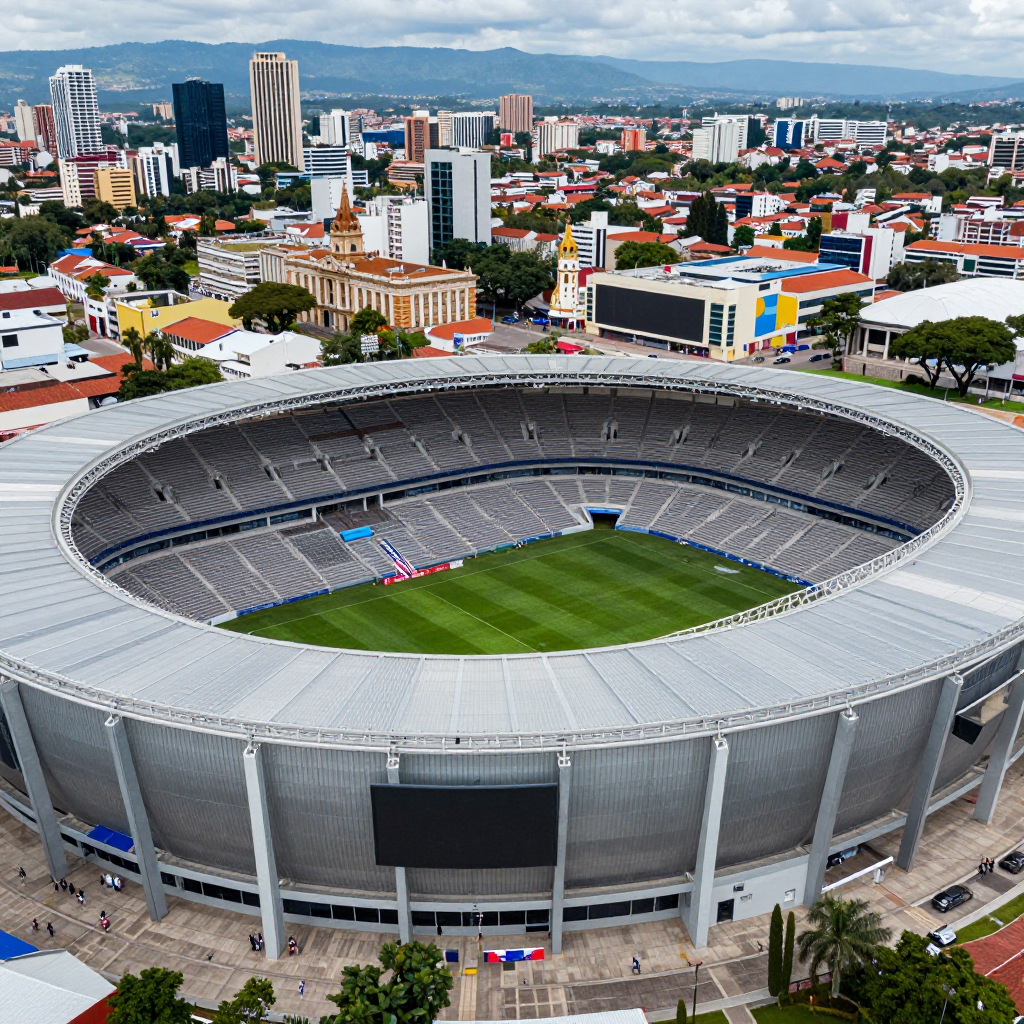
In recent years, Paraguay has invested heavily in upgrading its sports infrastructure, with several new stadiums and training facilities being completed across the country. The most notable development is the Asunción Arena, a multifunctional complex that hosts both football matches and concerts, built with support from private investors and the Paraguayan government. This project is part of a broader strategy to position Paraguay as a hub for regional sporting events and tournaments, a move that could significantly boost tourism and related industries. Analysts suggest that hosting more international matches and tournaments could generate over $10 million annually in revenue, benefiting local businesses and hotel sectors.
Beyond football, Paraguay is also looking to diversify its sports offerings to attract a more comprehensive range of investments. The country has expressed interest in developing its athletics sector, aiming to host international track and field events and leverage its tropical climate for beach sports and cycling competitions. These efforts could position Paraguay as a year-round destination for sporting events, appealing to investors interested in diverse market segments.
From a business perspective, the Paraguayan government, through initiatives such as the Ministry of Industry and Trade, is actively promoting public-private partnerships to further develop the sports sector. These partnerships could include joint ventures with multinational sports brands, broadcasting rights deals, and sponsorships aimed at boosting brand visibility in Mercosur nations. Experts suggest that if successfully implemented, these strategies could propel Paraguay's sports sector into a $500 million industry by 2025, supported by both domestic and foreign capital.
However, challenges remain. Corruption scandals and bureaucratic inefficiencies continue to pose risks for foreign investors, who often demand clear regulatory frameworks and transparent governance structures. Additionally, competition from neighboring countries with similar ambitions—such as Brazil and Argentina—means that Paraguay must differentiate itself through unique selling points, such as its relatively low startup costs and proximity to key Mercosur markets.
Despite these challenges, the momentum behind Paraguay's sports sector is undeniable. As the country continues to nurture its football talent and expand its sports infrastructure, it is well-positioned to transform its status as a football powerhouse into a robust economic opportunity. For international business readers, Paraguay presents an intriguing prospect for investment, offering both short-term returns and long-term growth potential within a dynamic Mercosur environment.