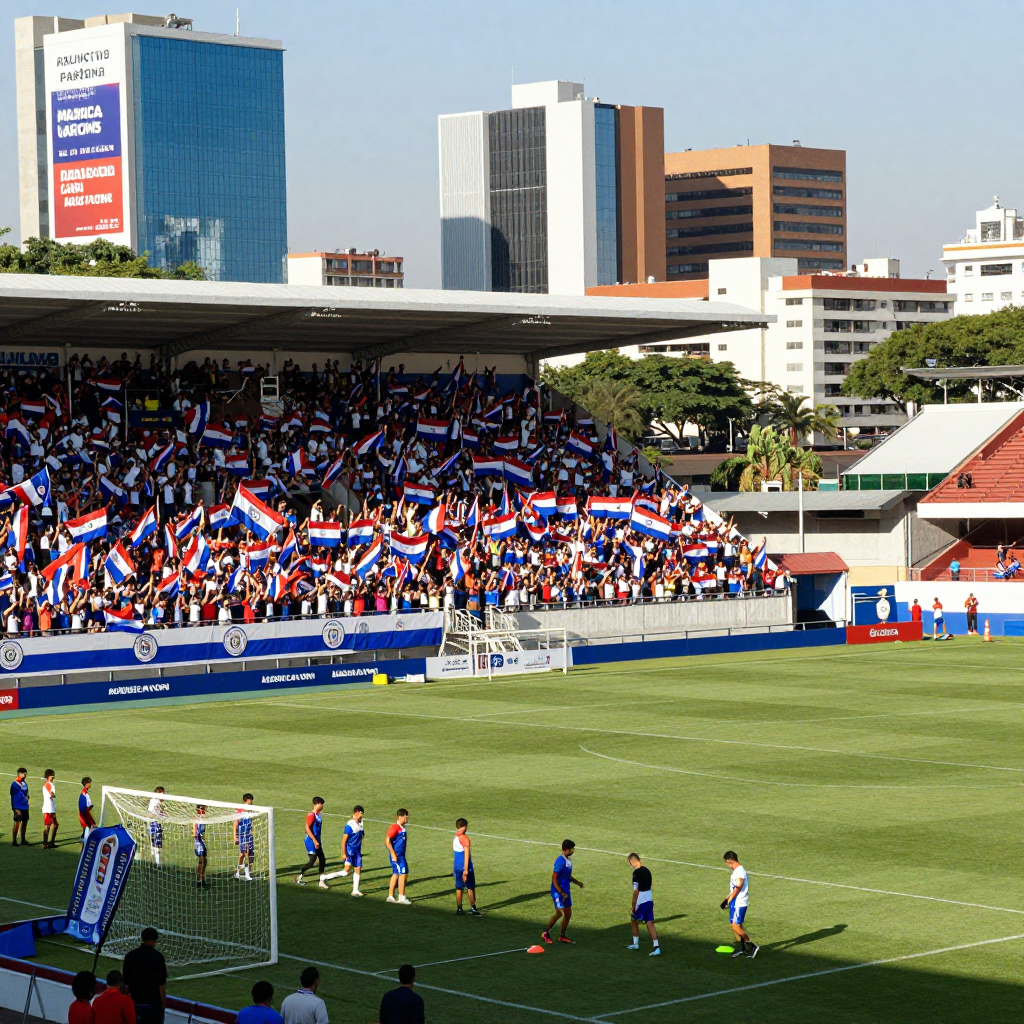
As global sports continue to reshape economies through tourism, media rights, and corporate sponsorships, Paraguay stands at a pivotal juncture. The nation, known for its fervent football culture, is actively exploring ways to capitalize on its sporting prowess while strengthening its presence in international competitions. This strategic focus not only aims to elevate Paraguay's reputation but also has the potential to bolster its economy, particularly within the Mercosur trade bloc.
Football serves as Paraguay's primary catalyst for sports-related economic activity. With a rich history in South American tournaments and a passionate fan base, the country has long been recognized for nurturing exceptional players. Recent efforts by local authorities have emphasized investing in infrastructure and facilities to attract both domestic and international talent. These improvements are expected to enhance athletic training opportunities and potentially draw events such as regional qualifiers or mini-tournaments to Paraguay, thereby boosting local hospitality sectors.
From a business perspective, Paraguay’s engagement in sports has broader implications for regional integration. Mercosur, comprising Argentina, Brazil, Uruguay, and Paraguay, represents a significant market opportunity. Collaborations across the bloc to host multi-nation sporting events could amplify international visibility, attracting investors from within and outside the region. Experts suggest that shared initiatives—such as joint training camps, youth leagues, and even pan-Mercosur sports academies—might unlock new avenues for cultural exchange and economic synergy. For instance, Paraguay’s unique geographical positioning and lower operational costs compared to neighboring countries could make it an attractive hub for training complexes and international teams preparing for South American championships.
Additionally, sports broadcasting and digital marketing hold promise for Paraguay as it seeks to engage a global audience. Local media networks have begun forming partnerships with international platforms to broadcast live matches, fostering a larger viewership and potentially monetizing rights deals. Paraguay’s focus on digital infrastructure upgrading complements these ambitions, enabling seamless streaming and interactive experiences for fans worldwide. This technological advancement not only supports domestic consumption but also positions Paraguay as a viable partner for multinational sports brands looking to expand their reach.
However, challenges remain. While soccer remains the dominant sport, diversifying into athletics and other disciplines could broaden appeal and reduce dependency on a single league. Furthermore, governance issues, such as ensuring transparent management of sports funds and maintaining player welfare, must be addressed to build lasting credibility. Despite these hurdles, the momentum around Paraguay’s sports sector suggests a promising trajectory. By leveraging its resources strategically and embracing regional collaboration, Paraguay can solidify its position as a key player in the Mercosur sports landscape, driving both economic development and cultural pride.
In conclusion, the intersection of sports and business presents a compelling narrative for Paraguay. As the nation continues to refine its approach to leveraging its sporting heritage, it is well-positioned to benefit from both domestic enthusiasm and international interest. By nurturing partnerships within Mercosur and embracing technological innovation, Paraguay may not only enhance its reputation in sports but also solidify its role as an emerging economic contender in the region.