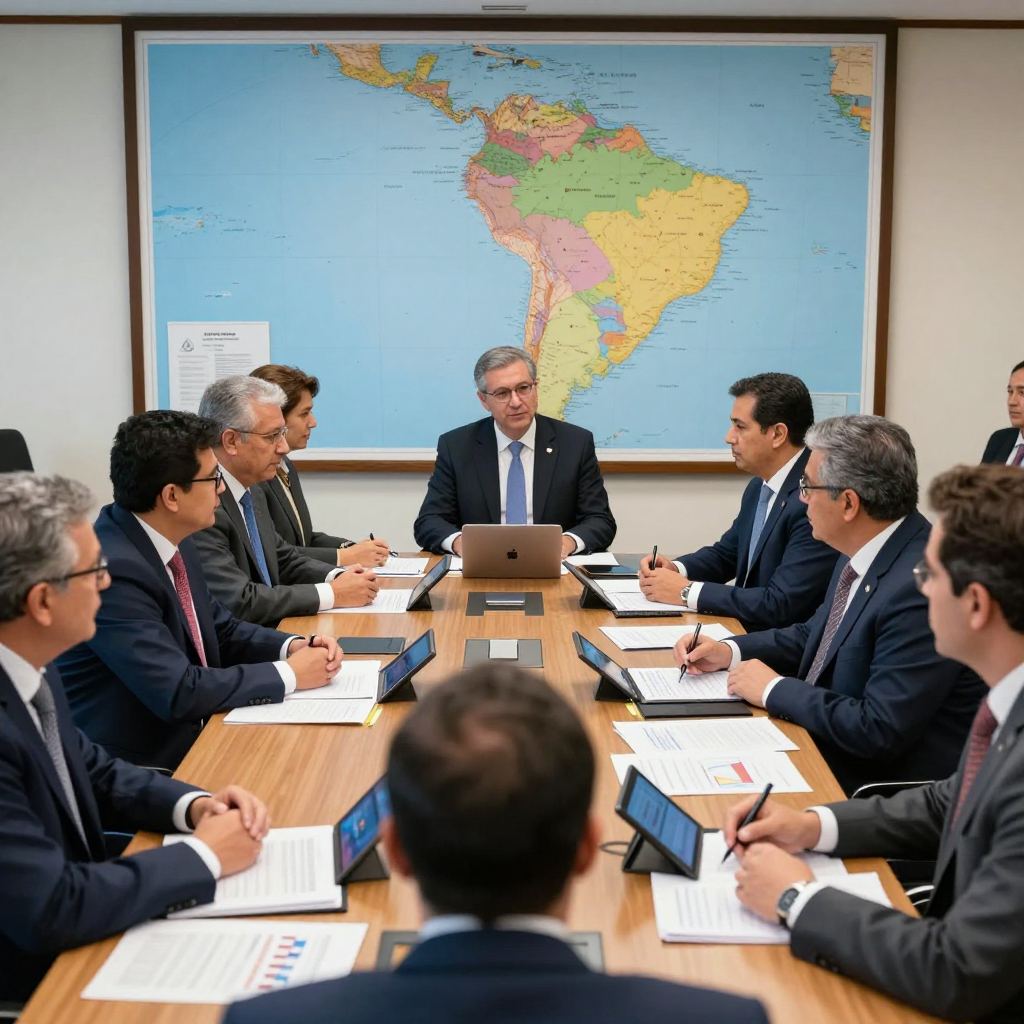
Asunción, Paraguay — In a significant move that could reshape the business landscape, the Paraguayan government has signaled its intention to revise key components of its fiscal policy. This decision comes at a critical juncture as Paraguay seeks to strengthen its economic position within the Mercosur trade bloc, which includes Brazil, Argentina, Uruguay, and Venezuela. The proposed revisions aim to enhance transparency, stabilize public finances, and create a more predictable environment for both domestic and foreign investors.
According to official statements from the Ministry of Finance, the new framework will focus on modernizing tax administration, simplifying regulatory processes, and investing in infrastructure projects that support economic growth. These measures are intended to attract foreign direct investment (FDI) by reducing bureaucratic hurdles and ensuring greater efficiency in public spending. Analysts at the Inter-American Development Bank (IDB) have noted that such reforms are crucial for Paraguay, as they align with broader trends in the region aimed at improving the ease of doing business.
“The revised fiscal policy sends a positive signal to international businesses,” said Maria González, Chief Economist at the Paraguayan Chamber of Commerce. “By strengthening governance and accountability, the government is positioning Paraguay as a more reliable partner in the Mercosur market. This could lead to increased investments not only in traditional sectors like agriculture and energy but also in emerging areas such as technology and logistics.”
However, challenges remain. Critics argue that while the intentions are laudable, implementation will require robust oversight to ensure that promised reforms translate into tangible benefits. There are concerns about potential delays in execution and the need for clear communication between the government and stakeholders. Furthermore, Paraguay’s reliance on Mercosur trade means that any policy shifts must be aligned with the bloc’s broader regulatory frameworks, creating additional complexity.
From a business perspective, the revision of fiscal policy offers opportunities for companies looking to expand their footprint in South America. Paraguay’s strategic geographical location, combined with its renewable energy potential and access to the Mercosur market of over 290 million consumers, makes it an attractive destination for industries ranging from agribusiness to manufacturing. However, businesses must closely monitor the progress of these reforms to assess their impact on operational costs and market entry strategies.
In conclusion, while the announcement of revised fiscal policies represents a step forward for Paraguay’s economic reform agenda, its success will depend on effective implementation and coordination with regional partners. As the country continues to navigate its role within Mercosur, international businesses must remain attentive to evolving conditions to capitalize on emerging opportunities.