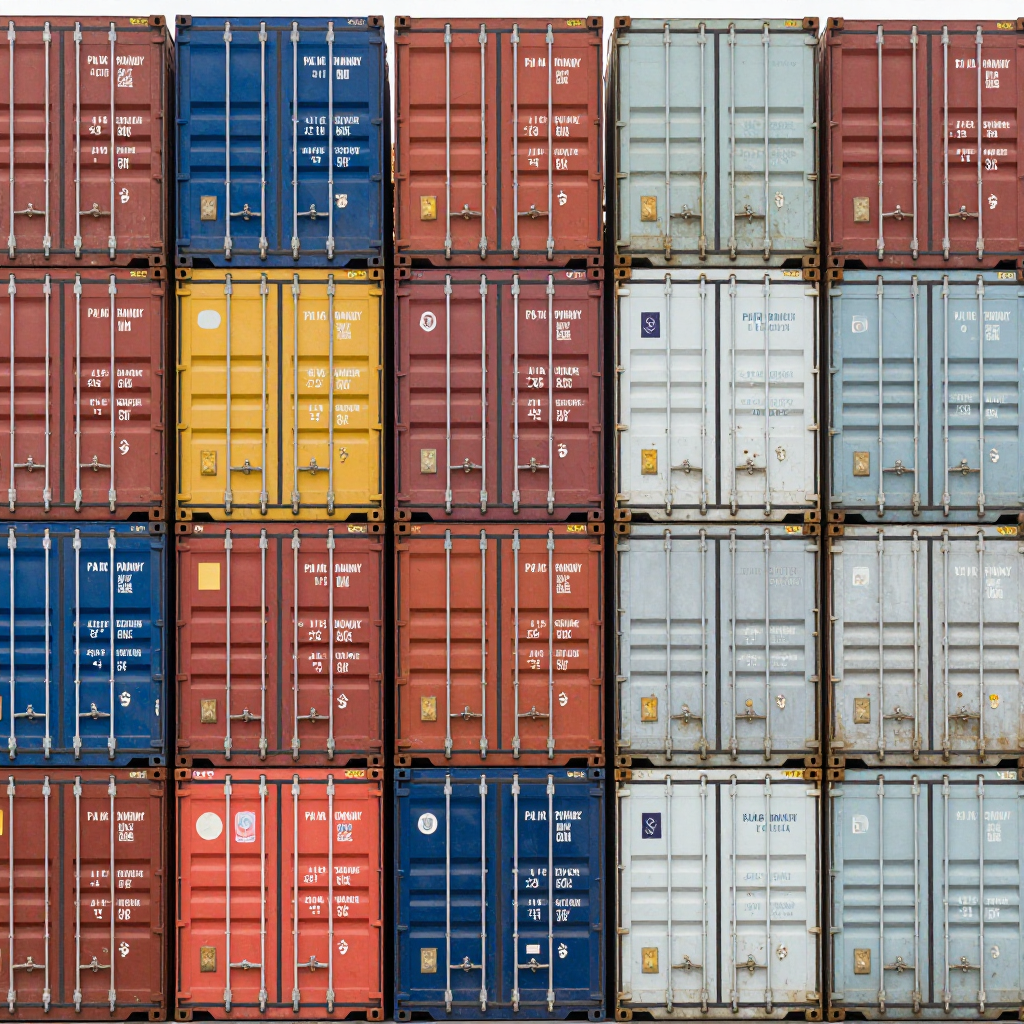
Asunción, Paraguay — The Paraguayan government recently announced a series of trade policy reforms designed to enhance the country's export competitiveness, a move that has elicited mixed reactions from both domestic businesses and international partners. The changes, which include streamlined customs procedures and targeted incentives for key sectors such as agribusiness and manufacturing, aim to capitalize on the nation’s strategic position within Mercosur while addressing longstanding challenges in its export efficiency.
The reform package, supported by the Ministry of Industry and Commerce, seeks to reduce bureaucratic hurdles and improve logistical infrastructure to attract foreign investment. However, concerns have emerged regarding potential tensions with Mercosur regulations, particularly given Paraguay's status as a founding member of the trading bloc. Critics argue that certain elements of the new policies could conflict with common external tariffs and customs agreements, potentially leading to disputes among Mercosur members.
"While these reforms are necessary to modernize our trade framework, we must tread carefully to avoid undermining our commitment to Mercosur principles," said Dr. Carlos Martínez, Chief Economist at the Asunción-based think tank Centro de Estudios Económicos y Sociales (CEES). "For businesses operating across the region, consistency in trade rules is crucial, and any perceived deviation could raise barriers to intra-bloc trade."
The Paraguayan Congress is currently reviewing proposed amendments to existing trade laws, with key stakeholders urging lawmakers to ensure alignment with Mercosur protocols. Meanwhile, businesses, particularly those involved in agro-export and manufacturing, are evaluating how the reforms might impact their operational costs and market access. Some firms see the changes as an opportunity to expand their reach, while others remain cautious, noting the need for clear guidance from the government.
Regional economic analysts suggest that Paraguay's decision to prioritize internal trade optimization could signal a broader shift towards balancing national priorities with Mercosur obligations. This approach aligns with recent trends observed in otherMercosur countries, where governments are increasingly focusing on leveraging internal strengths while navigating the complexities of regional integration. As Paraguay moves forward with its trade policy agenda, the outcome will not only shape its economic trajectory but also influence the future role of Mercosur in fostering regional cooperation.