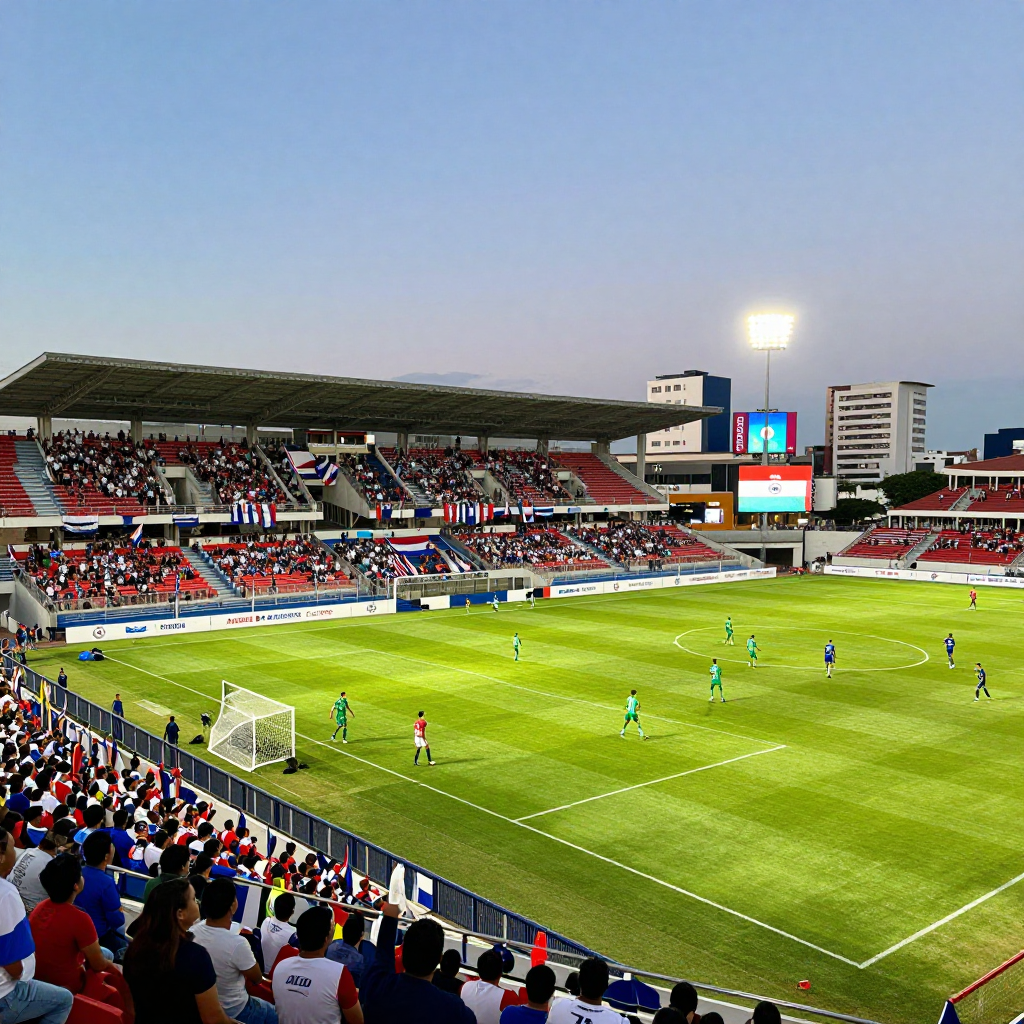
Asunción, Paraguay — In a nation where soccer passion runs deep, Paraguay's recent resurgence on the football field has not only captivated domestic fans but also drawn the attention of global investors and businesses. This renewed interest, fueled by significant achievements such as the national team's qualification for major tournaments, has opened up unprecedented opportunities for economic growth, particularly within the Mercosur region.
The Paraguayan football federation (FPF) has been actively investing in infrastructure development, modernizing stadiums and training facilities across the country. These efforts, combined with strategic partnerships with regional sponsors and UEFA-accredited academies, have positioned Paraguay as a rising hub for talent development in South America. Such initiatives have not only improved the quality of local leagues but also attracted foreign scouts and investors looking to tap into the country's rich footballing heritage.
From a business perspective, the heightened visibility of Paraguay’s football scene has sparked discussions among industry experts regarding its potential to drive tourism. International matches held in Asunción and other major cities are expected to bring in visitors from across Mercosur, generating revenue for hotels, restaurants, and local businesses. Local authorities are already exploring ways to leverage this influx by enhancing airport connectivity and improving hospitality services.
Moreover, corporate sponsorships represent another avenue for economic gain. Domestic brands, along with multinational companies, have shown increased willingness to invest in Paraguayan football, seeing it as a valuable platform to connect with consumers across Mercosur. This shift is underscored by the recent signing of partnership deals with prominent banks, telecommunications firms, and consumer goods companies that aim to use football as a means of expanding their market footprint within the region.
Looking ahead, analysts predict that continued success on the international stage could further cement Paraguay’s position as a key player in South American football. This, in turn, may lead to greater integration within Mercosur’s cultural and economic frameworks, fostering cross-border collaborations between businesses interested in leveraging Paraguay’s growing sports economy. While challenges remain, including infrastructural limitations and regulatory hurdles, the momentum surrounding Paraguay’s football scene suggests a promising future for both the sport and its broader economic implications.