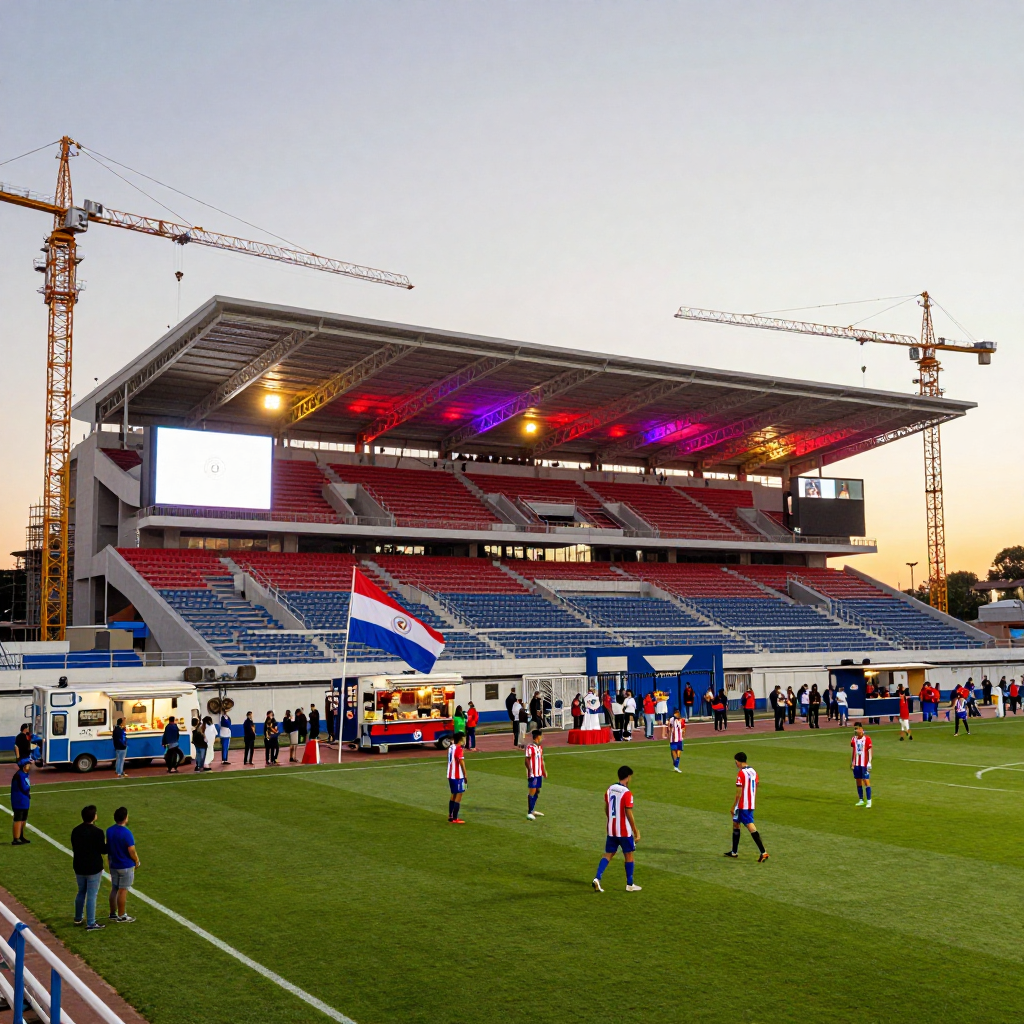
Asunción, Paraguay – The Paraguayan Football Association (APF) has announced a comprehensive reform initiative aimed at revitalizing the country’s football landscape, signaling potential economic opportunities for both domestic and international stakeholders. This strategic move comes as Paraguay seeks to position itself as a prominent sports hub within the Mercosur region, leveraging its cultural affinity for football to drive broader socio-economic growth.
Central to the APF’s strategy are plans to modernize key stadiums across the nation, with a particular focus on the Estadio Defensores del Chaco in Asunción. The upgrades include improved infrastructure, enhanced fan experiences, and better facilities to host regional and international tournaments. Analysts suggest that these investments could significantly boost tourism, attracting football enthusiasts from neighboring Mercosur countries such as Brazil, Argentina, and Uruguay, whose citizens already hold strong interest in Paraguay’s football scene.
In addition to infrastructure improvements, the APF is placing significant emphasis on developing youth talent through partnerships with European clubs and the establishment of specialized training academies. This focus on nurturing young talent could not only elevate Paraguay’s national team but also create a pipeline for future exports of Paraguayan players to top leagues worldwide. Such successes have historically attracted significant attention and investment into local football ecosystems, as seen in neighboring nations like Uruguay and Costa Rica, where player development programs have become lucrative business ventures.
From a business perspective, the reforms aim to tap into the growing global market for football-related investments. Paraguay’s membership in Mercosur provides a unique advantage, allowing it to benefit from existing trade ties and gain access to capital flows within the bloc. Observers note that successful execution of these reforms could bolster Paraguay’s reputation as a reliable partner for sports-related enterprises, encouraging foreign direct investment (FDI) in areas such as sports management, media rights, and hospitality.
However, challenges remain. Significant funding will be required to execute these ambitious projects, and securing long-term financial commitments poses a notable hurdle. Furthermore, Paraguay must ensure that these initiatives do not detract from other critical public spending priorities, particularly in health and education. The government has signaled support for the project but insists on a balanced approach to resource allocation.
Ultimately, Paraguay’s efforts to revitalize football could set the stage for meaningful economic gains. By leveraging its passion for the sport and strategic position within Mercosur, Paraguay may well emerge as a key player in regional sports commerce, potentially transforming the country’s economic landscape and solidifying its status as a compelling destination for businesses eager to tap into South America’s vibrant football culture.