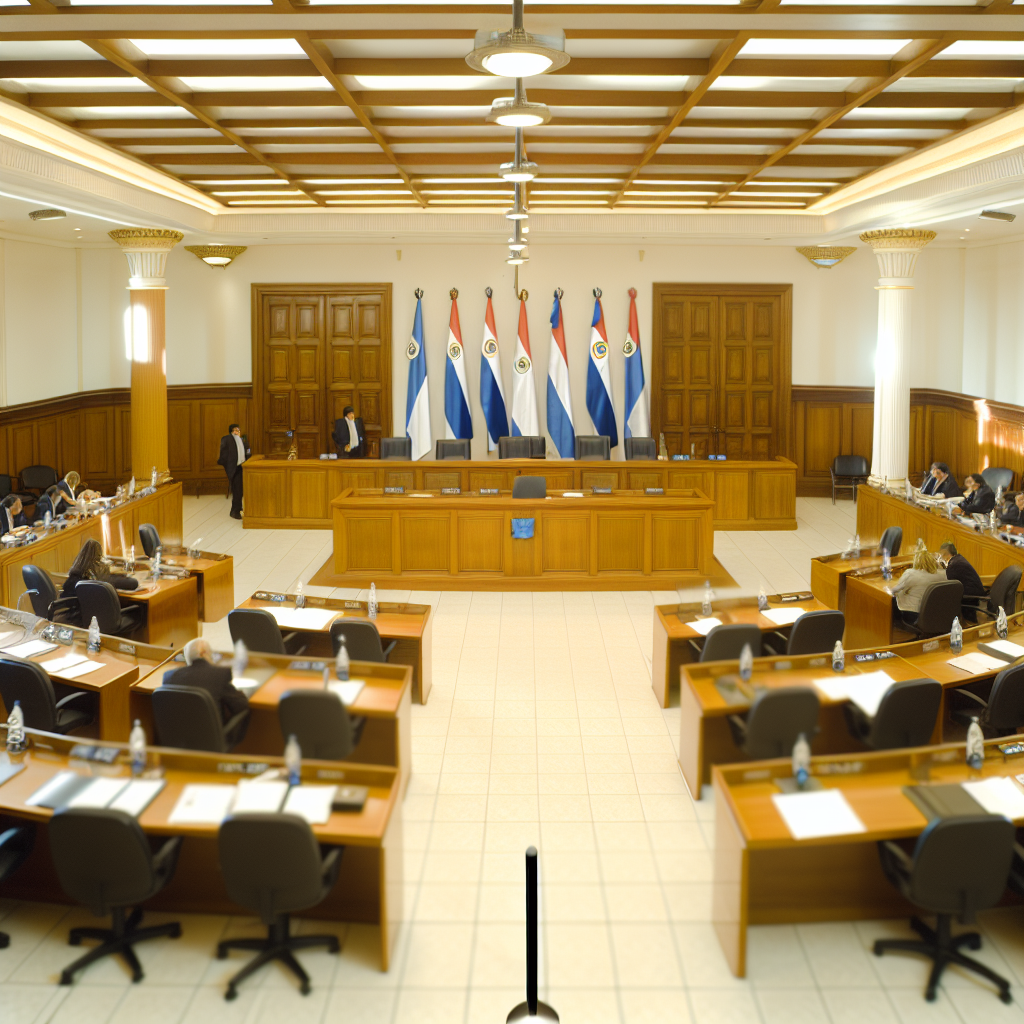
Paraguay, a key member of the Mercosur trading bloc, is embarking on a bold journey of economic reforms. These changes, driven by the government's pro-business stance, aim to invigorate the nation's economy and attract foreign investors.
Central to this reform agenda is the implementation of fiscal policies designed to provide a conducive environment for businesses. These include the introduction of a more simplified taxation system and incentives for sectors such as agriculture and manufacturing, which form the backbone of Paraguay's economy.
Analysts suggest that these reforms could boost Paraguay's economic growth, already one of the most robust in the region. However, they also caution that the success of these policies will largely depend on the government's ability to enforce them effectively and maintain fiscal discipline.
A stable and conducive business environment could make Paraguay an attractive destination for foreign investors. The nation's strategic location within Mercosur, coupled with its growing economy and business-friendly policies, could position it as a regional hub for business.
However, despite these positive developments, challenges remain. Paraguay has a history of political instability, and future policy direction could be influenced by shifts in the political landscape. Furthermore, although the government is making strides in improving the business environment, issues such as corruption and inadequate infrastructure could limit the potential benefits of these reforms.
The international business community will undoubtedly be watching Paraguay's progress closely. If successful, these reforms could not only transform the nation's economy, but also set a precedent for other Mercosur members. However, it remains to be seen whether Paraguay can successfully navigate the challenges ahead and solidify its position as a model for regional economic growth.