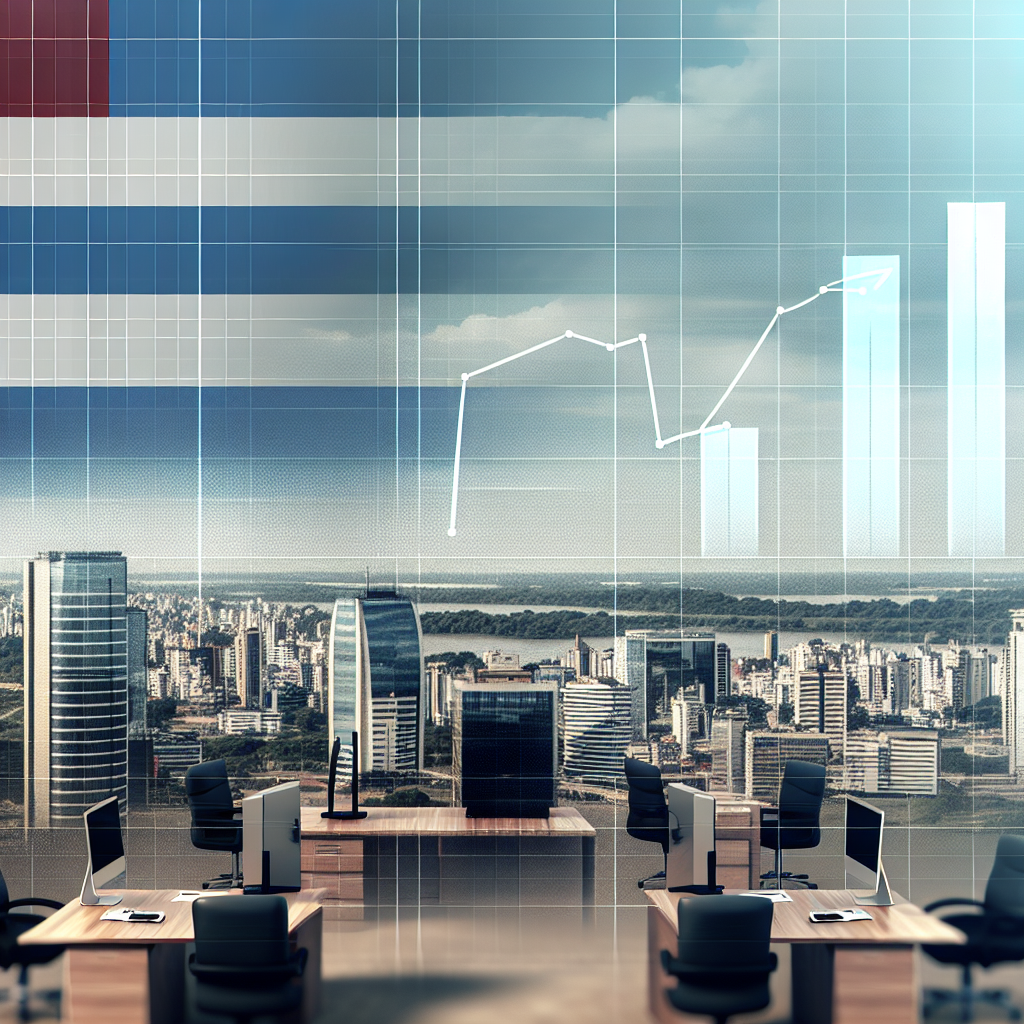
Paraguay, one of the smaller economies in South America, has been showcasing strong economic indicators, despite the challenges posed by the global economic environment. A member of the Southern Common Market (Mercosur), Paraguay's economic strategies and policies have been largely influenced by regional developments and agreements.
The country has been a significant player in the Mercosur, which also includes Argentina, Brazil, and Uruguay. The Paraguayan economy is highly dependent on agriculture, which represents a significant portion of its GDP and employment. Soybeans, beef, and corn are the primary products, making the country heavily reliant on the global commodities market. This reliance, while bringing prosperity in times of high global prices, also exposes the economy to significant risk in periods of market downturns.
Paraguay has, however, been diversifying its economy. There has been a notable push towards industrial growth and the services sector, particularly in Asunción, the country's capital. This diversification strategy may prove vital in mitigating risks associated with commodity market fluctuations.
A critical aspect of Paraguay's economic strategy is its involvement in Mercosur. As a trade bloc, Mercosur has fostered significant trade and investment opportunities for member countries. However, recent political and economic shifts within the bloc have raised questions about its future direction.
Analysts suggest that Paraguay's economic trajectory could be influenced by these shifts. The country's relationship with its larger neighbours, particularly Brazil and Argentina, plays a significant role in its trade and investment strategy. Any changes in Mercosur's policies or structure may have substantial implications for the Paraguayan economy.
In conclusion, Paraguay's economy shows promise, but it is not without challenges. The country's economic strategies, its relationship with Mercosur, and its ability to adapt to global market changes will play significant roles in shaping its economic future. For international business readers, understanding these dynamics is key to assessing opportunities in Paraguay and the wider Mercosur region.