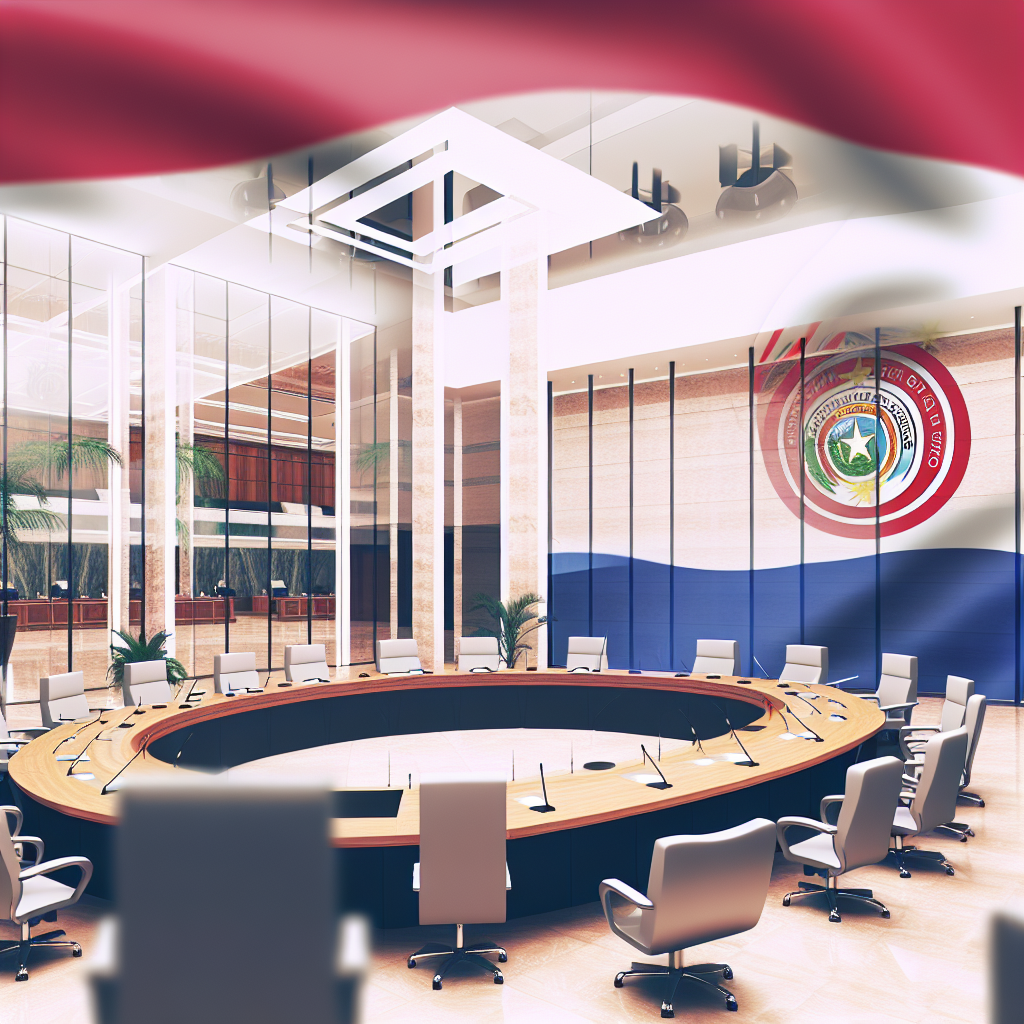
The Paraguayan government, under the leadership of its President, has recently been taking strides in economic policy reform that could have significant implications for the business landscape, both domestically and regionally. With a focus on incentivizing foreign direct investment (FDI) and bolstering its involvement in MERCOSUR, the Southern Common Market, Paraguay is positioning itself as an important player in the region's economy.
The new policy measures include tax incentives and regulatory changes aimed at making Paraguay a more attractive destination for FDI. The government believes these changes will stimulate economic growth and job creation, making a positive impact on the country's economy. However, analysts suggest that the success of these measures will heavily depend on how effectively they are implemented and how the international business community responds.
Paraguay's commitment to strengthening its ties with MERCOSUR is also noteworthy. As a member of this regional economic bloc, which also includes Argentina, Brazil, Uruguay and Venezuela, Paraguay stands to benefit from increased cooperation and integration. This could potentially lead to more business opportunities and increased trade flows with its regional partners.
However, this strategy is not without its challenges. There are concerns about protectionist tendencies within MERCOSUR and the impact this could have on Paraguay's open economic policy. It remains to be seen how Paraguay will navigate these potential obstacles.
Despite these challenges, Paraguay's recent policy developments demonstrate its ambition to become a more prominent player in the regional economy. The government's approach of attracting FDI while strengthening regional ties may be a balancing act, but it's one that could offer substantial rewards for the country's economy and the international business community.