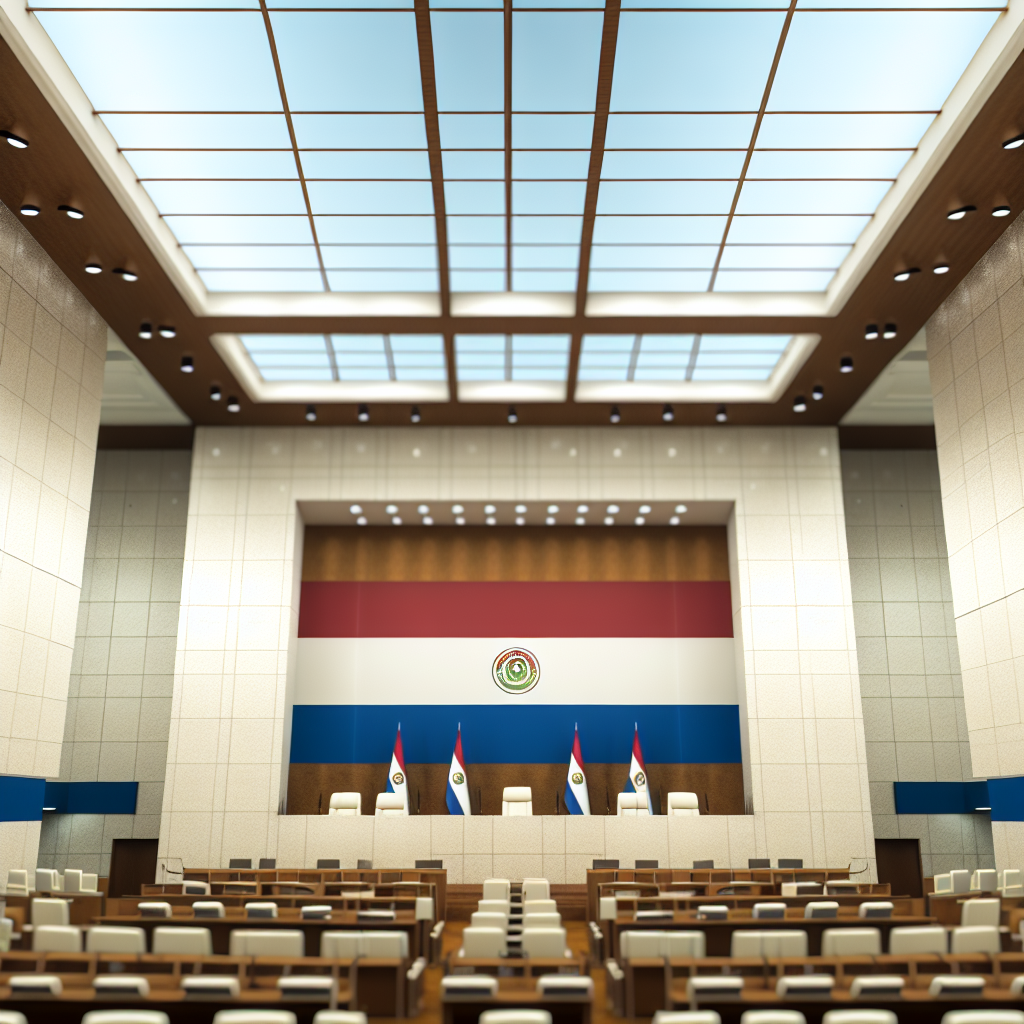
In the heart of South America, Paraguay's economy is witnessing a significant shift as the government adopts new policies and navigates through its unique political landscape. As one of the key players in the Southern Common Market (Mercosur), these changes carry implications not only for Paraguay but for the region as a whole.
Paraguay's political decisions and government policies have historically been intertwined with its economic performance. The country has made strides in liberalizing its economy, while also maintaining a firm commitment to fiscal discipline. This balance has been instrumental in attracting international business and investment.
The government's policy of maintaining a low tax environment, coupled with an emphasis on export-oriented industries, has proved beneficial for the business climate. While this strategy has its critics, the continuous growth of Paraguay's Gross Domestic Product (GDP) is a testament to its effectiveness.
However, decisions made in congress often carry broader implications, particularly concerning Paraguay's role within Mercosur. As a member, Paraguay's policies and political decisions can significantly impact the regional economic bloc. This interdependence places a premium on political stability and predictable policy-making.
While the macroeconomic outlook is favorable, challenges persist. Issues such as infrastructure deficit, bureaucratic inefficiencies, and corruption remain deterrents for businesses. Steps taken by the government to address these issues will be critical in determining Paraguay's economic trajectory.
Paraguay's political developments and government policies are shaping not only its national economy but also its standing within Mercosur. As the country seeks to strike a balance between domestic priorities and regional commitments, the international business community will watch closely. The path that Paraguay chooses to follow could provide valuable insights into the future of the broader Mercosur region.