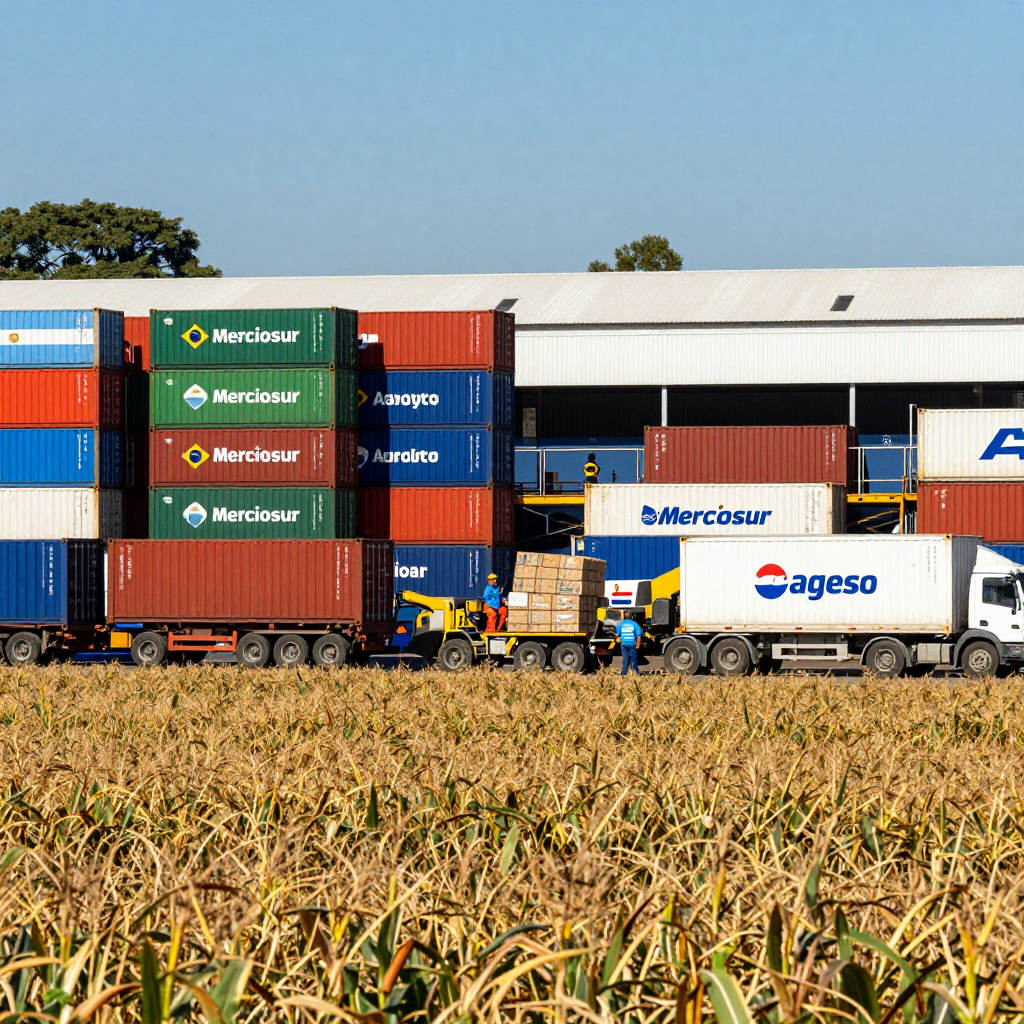
Asunción — Paraguay's economic landscape continues to evolve amid heightened integration within Mercosur, offering both challenges and opportunities for businesses operating in the region. Recent data from the Ministry of Finance indicates steady growth in key economic indicators such as GDP, export volumes, and foreign direct investment (FDI). This progress is largely attributed to Paraguay's active role in Mercosur, which has facilitated enhanced trade ties with neighboring countries including Brazil, Argentina, Uruguay, and Venezuela.
The latest reports suggest that Paraguay's GDP grew by approximately 2.8% in the first quarter of 2023, supported by robust agricultural exports and increased industrial production. Agriculture remains a cornerstone of the economy, contributing significantly to the country's trade surplus. Corn, soybeans, and beef continue to drive export revenues, with Brazil being Paraguay's largest trading partner. Within Mercosur, Paraguay benefits from reduced tariffs and streamlined customs procedures, enabling smoother cross-border trade flows.
However, analysts caution that whileMercosur membership provides substantial benefits, it also exposes Paraguay to external economic pressures. Currency fluctuations, particularly against the Brazilian Real, have impacted import costs for manufacturing sectors. Furthermore, the ongoing political dynamics within Mercosur, including the potential reintegration of Venezuela, remain uncertain factors that could influence future trade policies and market conditions.
In response, Paraguayan authorities are prioritizing diversification strategies to mitigate risks associated with over-reliance on a few sectors. Efforts are underway to attract more FDI into non-agricultural sectors such as renewable energy and manufacturing. The government has also emphasized improving infrastructure, including port facilities and transportation networks, to enhance competitiveness within the Mercosur framework.
Experts suggest that Paraguay’s success hinges on continued cooperation within Mercosur. Asunción’s proactive stance on regional integration initiatives, such as the implementation of common commercial policies and digital trade frameworks, positions the country favorably for long-term growth. However, maintaining a balance between domestic policy reforms and regional commitments will be crucial for sustainable development.
For international investors, Paraguay presents a compelling opportunity within the broader Mercosur market. Its strategic location, abundant natural resources, and relatively low labor costs make it an attractive destination. Nonetheless, businesses must navigate evolving regulatory environments and macroeconomic trends to capitalize on these advantages effectively.
In conclusion, as Paraguay continues to integrate deeper into Mercosur, its economic trajectory reflects a mix of cautious optimism and pragmatic adaptation. By leveraging regional partnerships and focusing on strategic diversification, the nation aims to solidify its position as a reliable and competitive player in the international business arena.