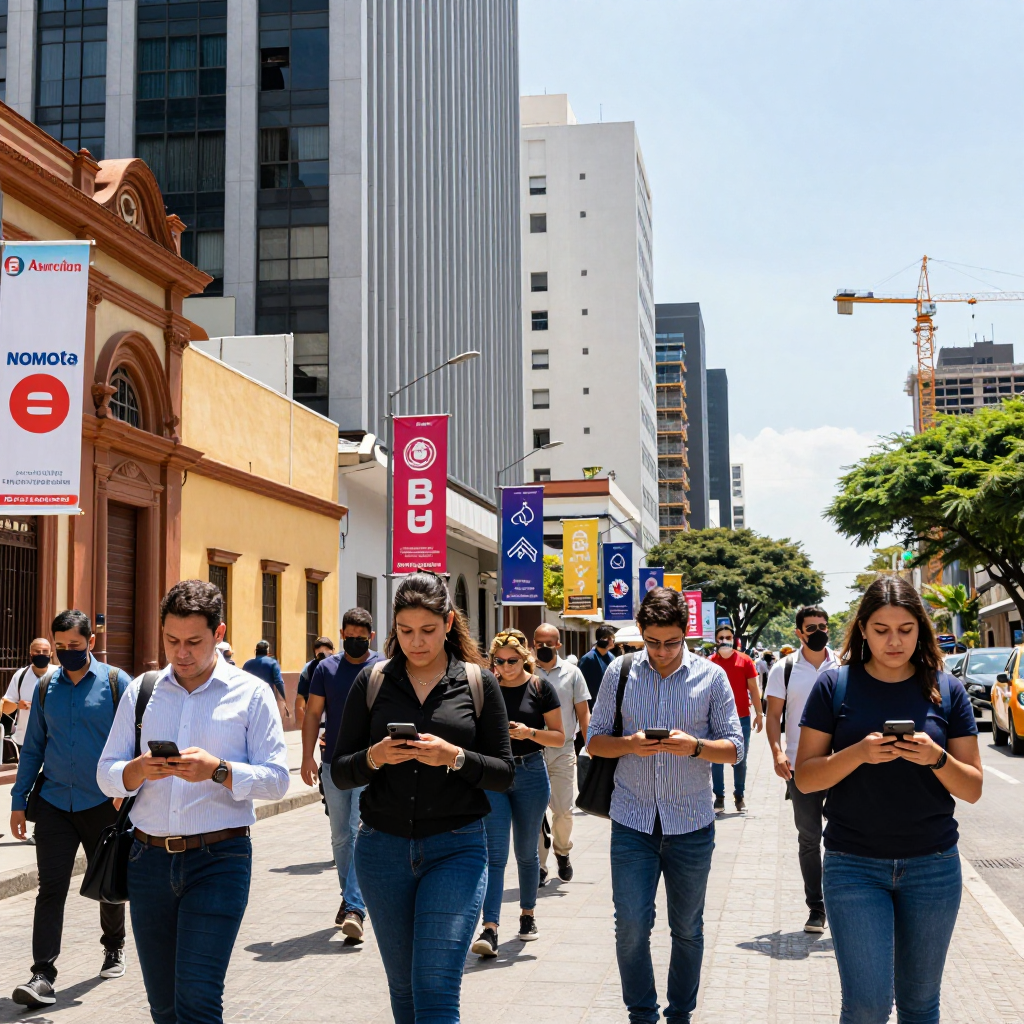
In recent years, Paraguay has emerged as a market where technology adoption and digital transformation are gaining momentum, particularly as the country seeks to integrate more deeply into the Mercosur economic bloc. With a population of over seven million, Paraguay has seen a significant rise in internet usage, driven primarily by expanding mobile networks and decreasing costs of data access. This increased connectivity is paving the way for businesses to leverage digital tools, from e-commerce platforms to cloud-based services, to reach broader audiences both domestically and internationally.
The government has been actively promoting digital initiatives through regulatory reforms and investment in infrastructure. Notably, the National Information and Communication Technologies Plan aims to enhance broadband coverage and digital literacy across various sectors, including agriculture, education, and healthcare. These efforts are essential for attracting foreign investment and positioning Paraguay as a viable partner within the Mercosur trade bloc. However, challenges remain, such as cybersecurity concerns and the need for robust legal frameworks to support emerging technologies like artificial intelligence and fintech.
Telecommunications providers in Paraguay, including key players like Personal and Tigo, have been instrumental in driving digital adoption. They are investing in next-generation networks, such as 5G, which could revolutionize industries from logistics to finance. The rollout of these advanced networks is expected to reduce latency and increase bandwidth, enabling businesses to operate more efficiently and innovate at scale. While Paraguay’s traditional economy remains heavily reliant on agriculture, the shift towards digitization offers a pathway to diversification and economic resilience.
For tech startups, Paraguay presents a unique opportunity to build scalable solutions tailored to regional needs. Many local entrepreneurs are taking advantage of the growing digital ecosystem to develop applications and services catering to niches such as agritech and financial inclusion. Moreover, Paraguay's strategic location, flanked by Brazil, Argentina, and Bolivia—key Mercosur economies—allows startups to test their products locally before scaling regionally. However, the startup landscape faces hurdles like limited venture capital funding and a shortage of skilled technical talent, which may require targeted policy interventions.
Analysts suggest that Paraguay's integration intoMercosur and its evolving digital landscape could significantly impact its competitiveness in the global market. By addressing existing gaps in infrastructure and regulatory environments, the country could unlock substantial value for its business community. As Paraguay continues its journey toward digital transformation, it will be crucial for policymakers, private sector stakeholders, and international investors to collaborate closely to ensure sustainable growth and development.