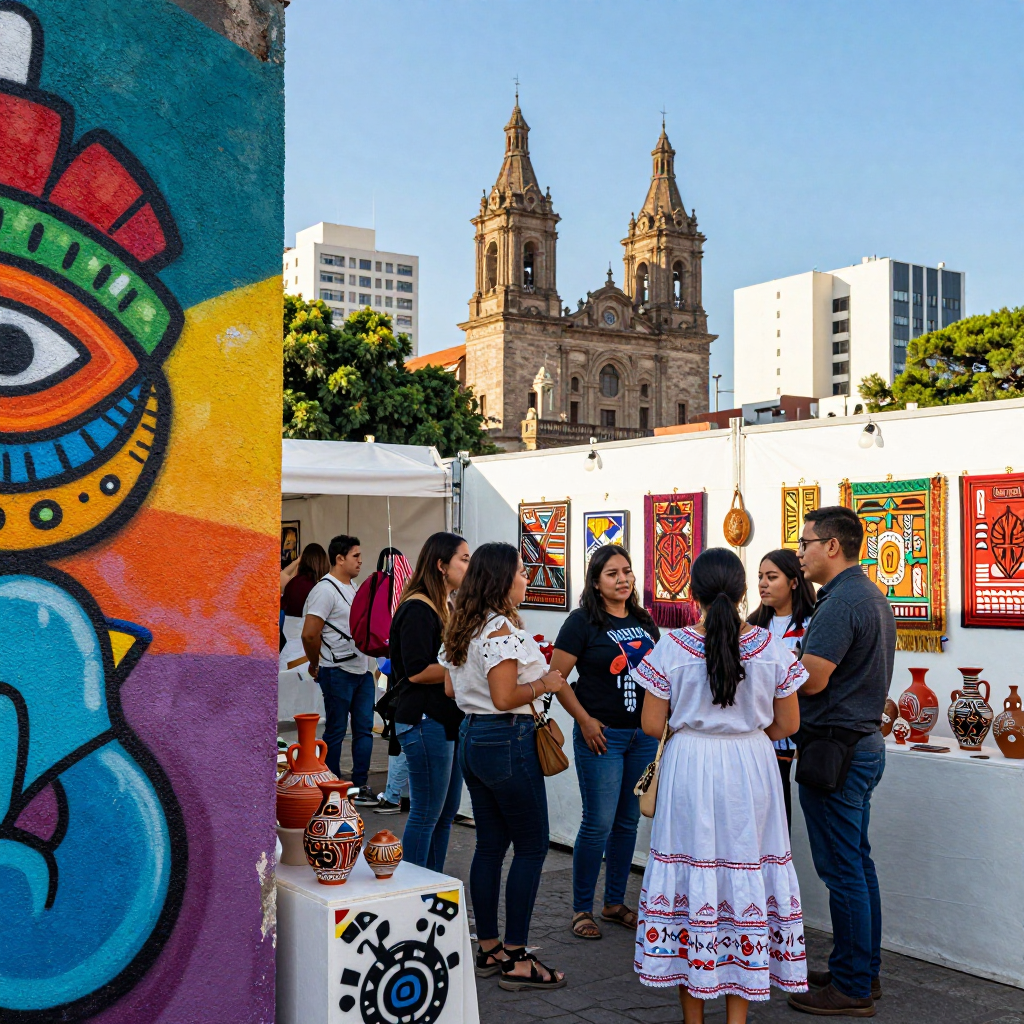
Asunción, Paraguay — In recent years, Paraguay has emerged as a cultural hub within Mercosur, showcasing its unique blend of indigenous traditions, Spanish colonial influences, and modern artistic expressions. This cultural renaissance is not only revitalizing local communities but also capturing the interest of international business investors, who see significant potential in the country's growing tourism and cultural export sectors.
The heart of this cultural revitalization lies in the preservation and promotion of Paraguay’s indigenous Guarani heritage. Organizations such as the Asunción-based Museo del Barro have been at the forefront of highlighting indigenous art and history, drawing visitors from across Mercosur and beyond. This focus on traditional crafts and storytelling has contributed to a surge in tourism, which analysts believe could generate new business opportunities in hospitality, craft production, and cultural tourism services.
One notable development is the increasing collaboration between Paraguayan artists and international art galleries. This trend has been spurred by initiatives such as the annual Asunción Contemporary Art Festival, which attracts artists and collectors from Brazil, Argentina, and beyond. The festival serves as a platform for emerging talents and has helped position Paraguay as a vibrant cultural destination within South America.
Education is another area where Paraguay is seeing notable advancements, particularly in the integration of cultural studies into academic curricula. Universities and schools are now offering courses focused on indigenous languages, music, and dance, fostering a deeper appreciation for cultural diversity among younger generations. These educational initiatives are seen as crucial for sustaining the cultural revival and ensuring that traditional knowledge is passed down to future generations.
From a business perspective, these cultural developments are creating substantial opportunities for foreign firms. Companies specializing in tourism, arts management, and cultural events are increasingly exploring partnerships with local entities. Additionally, there is growing interest in investing in cultural infrastructure, such as galleries, museums, and cultural centers, which could further solidify Paraguay's position as a regional cultural leader.
Despite these positive signs, challenges remain. Infrastructure constraints and limited funding for cultural projects continue to pose hurdles for sustained growth. However, experts remain optimistic that with continued support from both domestic and international stakeholders, Paraguay’s cultural renaissance will yield long-term benefits for the country's economy and society.
In summary, Paraguay's cultural revitalization is more than just a movement; it is a strategic asset that is reshaping the country's image globally. For international business readers, the focus should be on identifying areas where cultural engagement can drive sustainable economic growth, particularly within Mercosur's dynamic market environment.