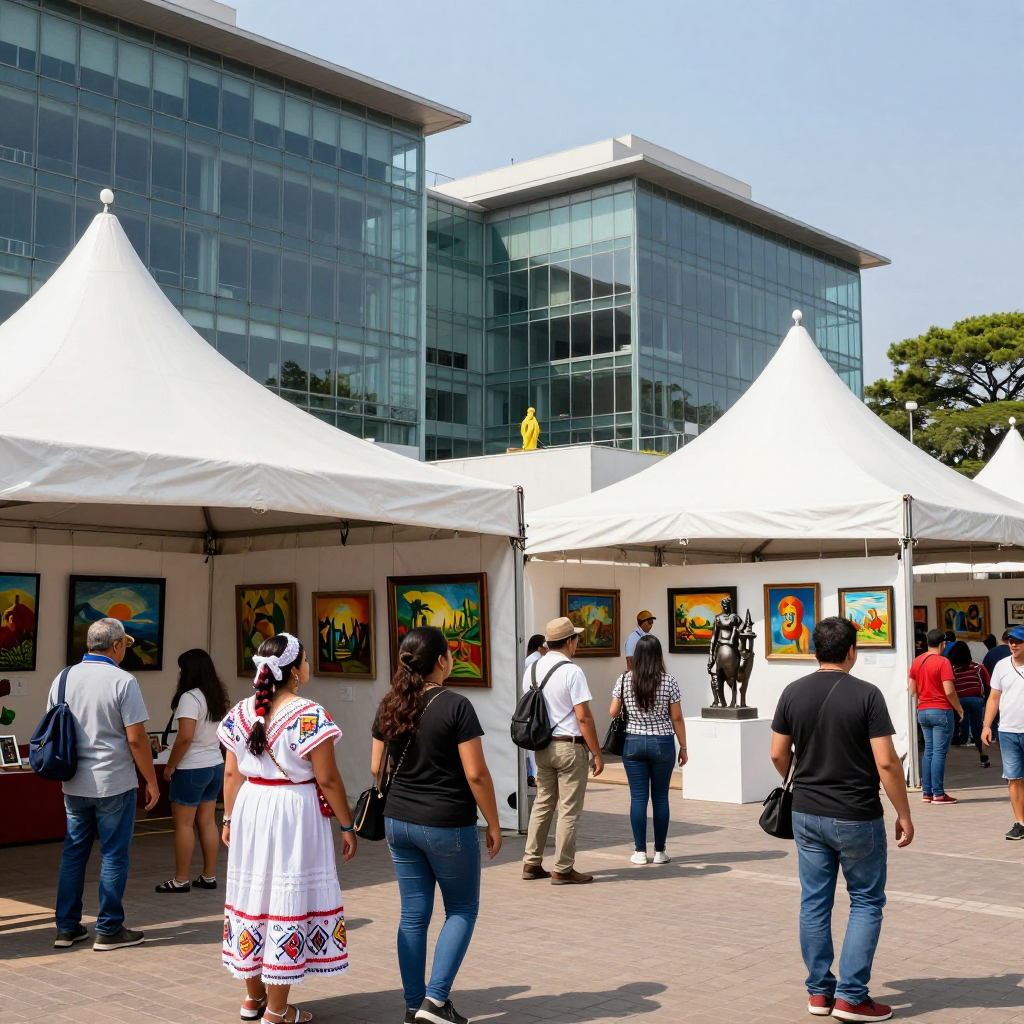
Asunción, Paraguay — In a nation often overshadowed by its larger Mercosur neighbors, Paraguay is quietly undergoing a cultural renaissance that not only celebrates its vibrant traditions but also positions it as a compelling partner within the economic bloc. This revitalization, driven by increased public and private sector investment, is creating opportunities for businesses looking to tap into the region’s untapped potential.
Recent years have seen significant strides in Paraguay’s cultural landscape. The National Museum of Fine Arts in Asunción has undergone extensive renovation and expansion, becoming a hub for both local artists and international visitors. This initiative, funded partly through public-private partnerships, reflects the government’s commitment to fostering cultural tourism. According to data from the Ministry of Culture, visitor numbers to the museum have surged by over 25% since its reopening in 2022, marking a notable shift in Paraguay’s cultural diplomacy efforts.
Beyond the arts, education reforms are also playing a pivotal role in Paraguay’s development trajectory. The introduction of bilingual education programs in primary schools—offering classes in Spanish and Guarani, the indigenous language widely spoken across the country—has helped preserve linguistic diversity while improving educational outcomes. These initiatives aim to strengthen human capital, a critical factor for attracting foreign direct investment (FDI). Experts estimate that improving literacy rates could increase annual productivity gains by up to 5% in the coming decade.
Cultural festivals such as the Asunción Tango Festival and the annual International Film Festival are further boosting Paraguay’s profile on the global stage. These events attract investors not just for their cultural significance but also for their ability to showcase Paraguay as a stable and growing market within Mercosur. Analysts suggest that the country’s strategic location between Brazil, Argentina, and Uruguay, combined with its burgeoning cultural scene, could make it a cultural hub connecting the region.
However, challenges remain. Infrastructure development, particularly in transportation and digital connectivity, continues to lag behind regional standards. While cultural initiatives are gaining momentum, sustained investment in these areas will be crucial to fully leverage Paraguay’s competitive advantages.
In conclusion, Paraguay’s cultural revival is not merely a matter of artistic expression; it is a strategic move with clear economic implications. By celebrating its unique heritage, Paraguay is fostering a more inclusive and attractive environment for business. As Mercosur seeks to deepen integration, Paraguay’s cultural renaissance could serve as a bridge to closer economic cooperation and mutual prosperity.