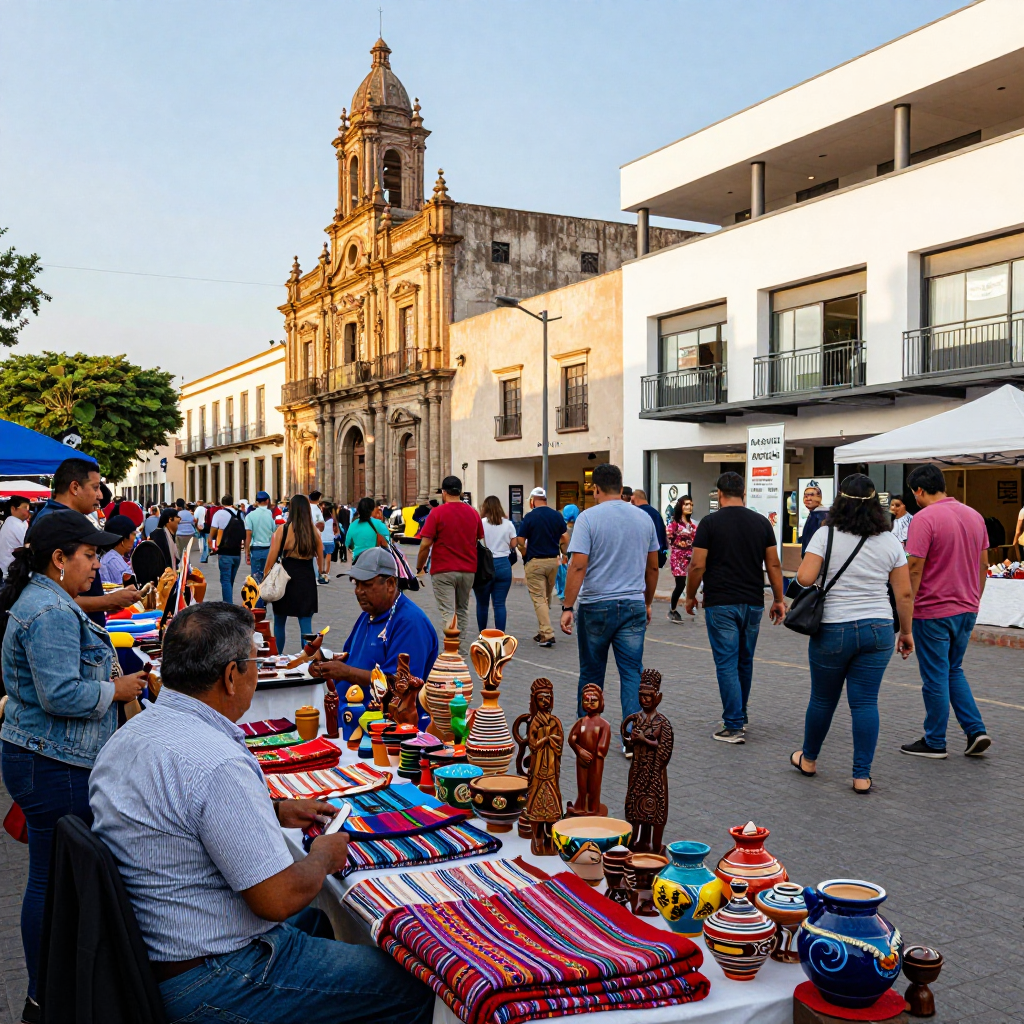
Paraguay, often overshadowed by its larger South American neighbors, is undergoing a cultural renaissance that is not only revitalizing its national identity but also presenting lucrative opportunities for businesses both locally and internationally. This resurgence in arts, education, and cultural expression is being driven by increased governmental support, private sector investment, and growing international interest in the region's unique heritage.
At the heart of this movement is Asunción, the capital city, which has become a cultural hub featuring vibrant art galleries, historical landmarks, and modern institutions. The city's transformation into a cultural epicenter has been bolstered by initiatives such as the restoration of colonial architecture, the expansion of museums, and the launch of cultural festivals that attract visitors from across the globe. These developments are not merely symbolic; they have tangible economic implications, particularly for the tourism and hospitality sectors.
One significant development is the emphasis on artisanal crafts, which are being promoted both domestically and abroad. Paraguay's rich tradition of craftsmanship, including handwoven textiles, ceramics, and woodwork, is gaining recognition as more businesses partner with artisans to create products for export. This collaboration has the potential to enhance the country’s reputation internationally and contribute meaningfully to gross domestic product (GDP). Moreover, the rise of cultural tourism—driven by interest in these crafts as well as indigenous traditions—could stimulate further investment in infrastructure and services, benefiting local economies.
In the realm of education, Paraguay is witnessing a shift towards integrating cultural studies into curriculums at both primary and tertiary levels. This focus on preserving and promoting local culture aims to instill pride among younger generations while equipping them with skills that can appeal to global markets. Universities in Asunción, such as the National University of Asunción, are working closely with cultural organizations to develop programs that blend traditional knowledge with contemporary practices, thus preparing students for roles in creative industries.
From a business perspective, the cultural renaissance is creating new avenues for entrepreneurship. Startups focused on digital marketing, event management, and cultural consulting are emerging to meet the demands of a burgeoning cultural tourism industry. Additionally, Paraguay’s membership in Mercosur provides a strategic advantage, allowing for easier access to neighboring markets such as Brazil, Argentina, and Uruguay. This regional integration could facilitate the cross-border exchange of cultural goods and services, fostering economic growth.
However, challenges remain. Infrastructure limitations, particularly in transportation and connectivity, may hinder the full realization of Paraguay’s cultural potential. Furthermore, navigating the regulatory environment and establishing trust with international investors require sustained efforts from both the public and private sectors. Despite these hurdles, the momentum behind Paraguay’s cultural revival suggests a promising future, one where cultural preservation and economic development go hand in hand.
In conclusion, Paraguay’s cultural renaissance offers a compelling narrative for businesses looking to invest in emerging markets. By leveraging its rich heritage and integration within Mercosur, Paraguay is poised to capitalize on cultural tourism, artisanal craftsmanship, and educational innovation. As international interest grows, the country’s evolving cultural landscape could serve as a catalyst for broader economic transformation.