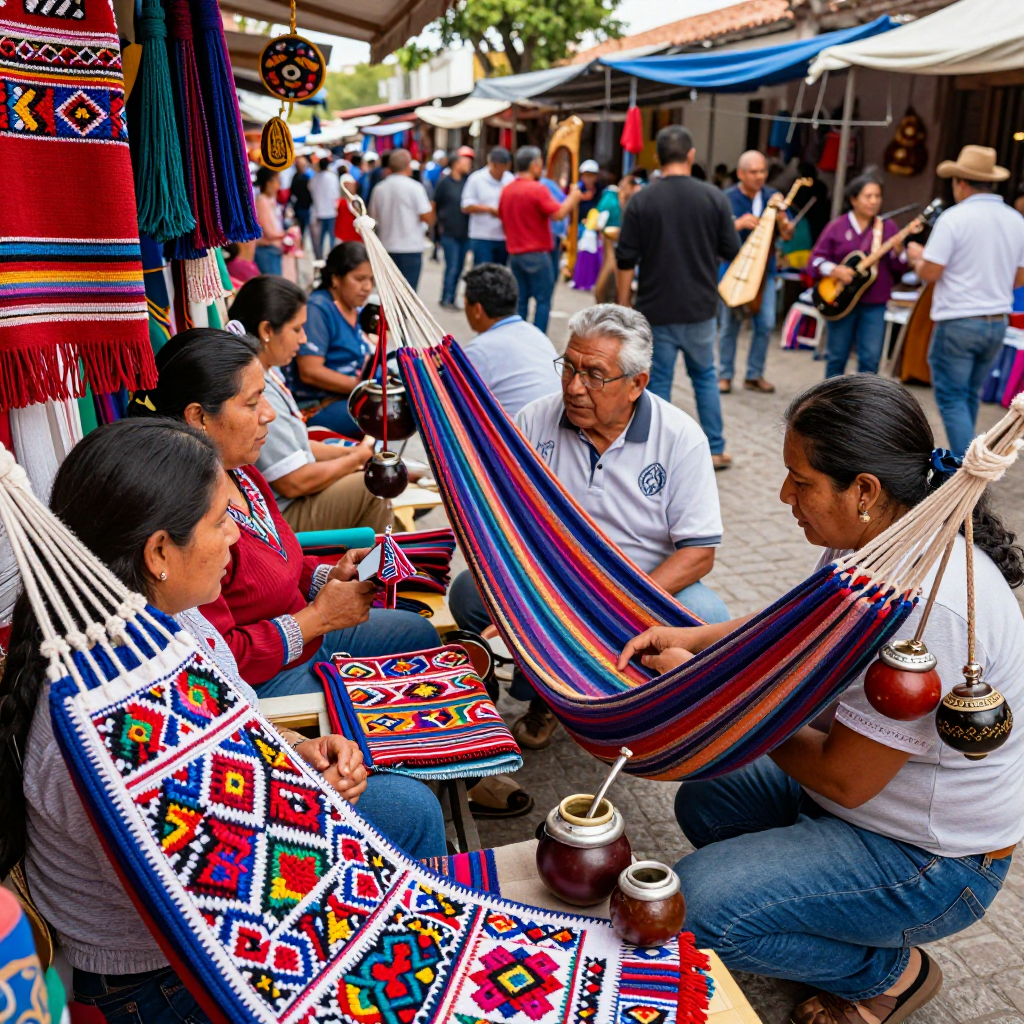
Asunción, Paraguay — Paraguay, often overshadowed by its larger South American neighbors, is undergoing a remarkable cultural resurgence that is not only enriching its identity but also positioning itself as an attractive destination for investors and businesses. This cultural awakening is being driven by renewed interest in traditional crafts, a revitalized performing arts scene, and growing educational exchanges focused on indigenous knowledge, all of which are drawing tourists from across the globe, particularly within the Mercosur region.
The heart of this movement lies in the preservation and promotion of Paraguay’s unique cultural heritage. Traditional craftsmanship, such as ñandutí embroidery, hammocks, and mate gourds, has seen a surge in popularity both domestically and internationally. Leading this revival are local artisans who are now forming cooperatives and partnering with businesses to scale production while maintaining authenticity. These partnerships could open new markets for Paraguay’s artisanal goods, not just within Mercosur countries but globally, as consumers increasingly value culturally significant products.
In parallel, Paraguay’s performing arts sector is gaining traction. The Asunción International Theatre Festival, established in 2019, has become a platform for both local artists and international performers, showcasing diverse cultural expressions and fostering cross-border collaborations. This festival, along with other cultural initiatives, is contributing to the growth of the creative economy, generating employment opportunities and attracting investment in event infrastructure. Analysts suggest that this trend could further solidify Paraguay as a cultural hub in the Mercosur region.
Education is another critical component of Paraguay’s cultural renaissance. Efforts are underway to integrate indigenous knowledge systems into formal education curricula, with universities and research institutions collaborating to preserve linguistic diversity and ancestral practices. This initiative aligns with global trends toward sustainable development and cultural inclusivity, presenting opportunities for educational tourism and partnerships with institutions abroad. Investors in education technology and cultural Exchange Programs may find significant potential in supporting these efforts.
The Paraguayan Government has also recognized the economic potential of cultural development. Initiatives to modernize tourist infrastructure, coupled with targeted marketing campaigns highlighting the country’s rich cultural tapestry, have already shown promise in increasing visitation rates. According to the Ministry of Tourism, international arrivals rose by approximately 15% in the last two years, with cultural exploration being one of the main attractions cited by visitors.
For businesses within Mercosur and beyond, Paraguay’s cultural renaissance offers multiple entry points. Tourism operators, hospitality providers, and cultural product manufacturers can capitalize on this momentum. Additionally, cultural diplomacy between Paraguay and neighboring countries, facilitated through events and educational collaborations, could lead to increased trade agreements and economic cooperation within the Mercosur bloc.
In conclusion, Paraguay’s cultural renaissance is not merely a celebration of its heritage; it is a strategic move that is driving economic growth and creating new alliances within the region. As the world becomes more interconnected, Paraguay’s unique cultural identity is becoming a competitive advantage, attracting tourists, investors, and partners alike. This development is poised to enhance the country’s profile within Mercosur and beyond, setting the stage for sustained economic and cultural prosperity.