In recent years, Paraguay has been undergoing a significant transformation in its cultural landscape, which is gradually gaining recognition beyond its borders. This evolution is particularly relevant to businesses operating within the Mercosur region, as it highlights potential areas for cultural diplomacy and economic partnerships.
At the heart of this change is the growing emphasis on cultural preservation and innovation. The Paraguayan government has allocated additional resources toward safeguarding national heritage sites, such as the Jesuit Missions of Chiquitos and Trinidad, which were declared UNESCO World Heritage Sites in 1993. These efforts have not only helped preserve historical landmarks but also enhanced tourism, a sector that contributes significantly to the country's GDP. Analysts suggest that continued investment in cultural preservation could further boost tourism, offering tangible benefits for both local communities and foreign businesses looking to invest in sustainable tourism projects.
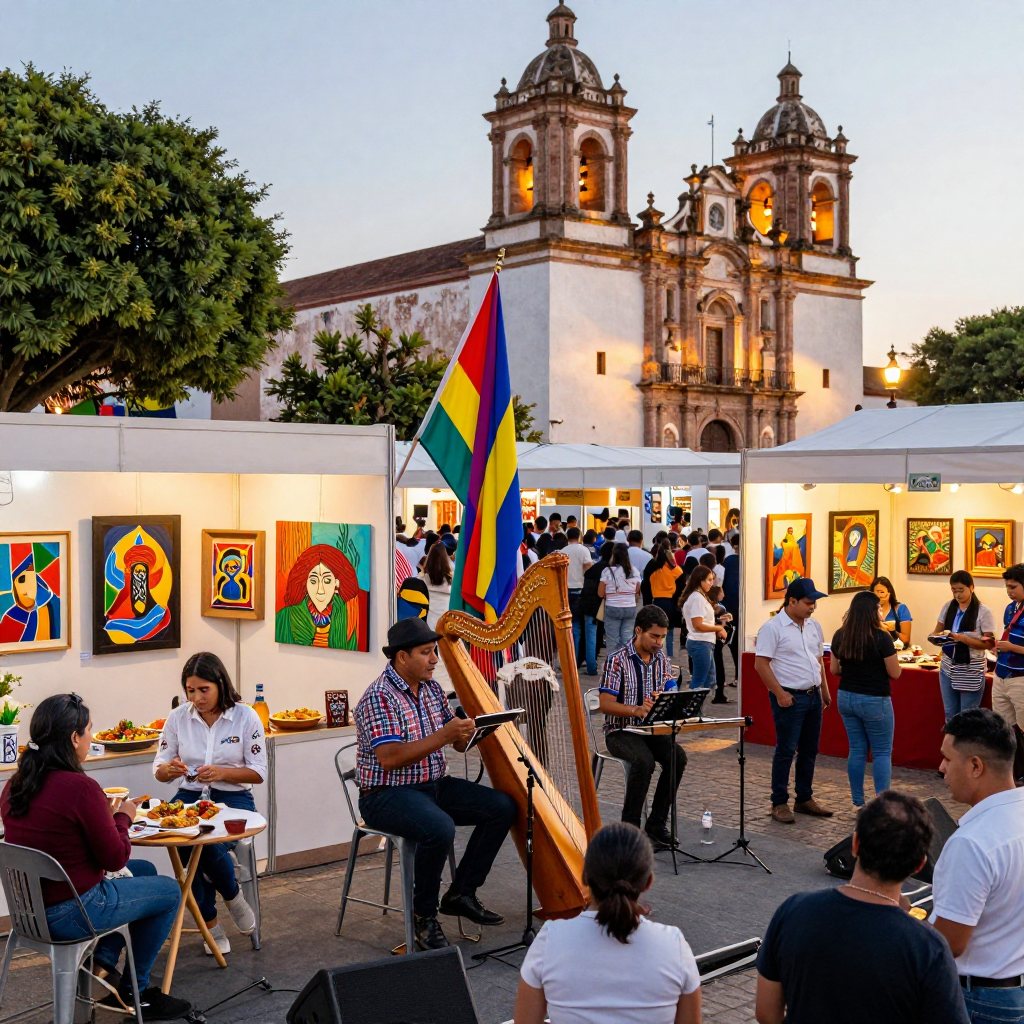
Simultaneously, there has been a surge in support for the arts, particularly music and visual arts. Traditional genres like Paraguayan polka and harp music are experiencing a modern resurgence, with artists blending traditional sounds with contemporary styles, creating new audiences locally and abroad. This cultural dynamism is complemented by the growth of art festivals and exhibitions, which attract international participation and could serve as platforms for cultural exchange and cooperation. Businesses involved in creative industries, such as film production or digital media, may find niches here to explore.
Education is another critical component of this cultural renaissance. Paraguay is increasingly investing in cultural education programs within its schools and universities, fostering a new generation of culturally aware citizens. This focus on education aligns with broader development goals and could pave the way for partnership opportunities in educational technology and cross-cultural exchange programs. International institutions specializing in cultural studies or language education might find Paraguay a fertile ground for expansion.
However, challenges remain. Infrastructure and funding gaps continue to hinder the full potential of Paraguay's cultural sector. While the government has shown commitment, sustained progress will require collaborative efforts from both public and private sectors. Foreign investors, especially those with expertise in cultural industries or tourism, could play a crucial role in addressing these gaps, potentially through joint ventures or strategic partnerships.
Overall, Paraguay's cultural rejuvenation presents a compelling story of growth and opportunity within the Mercosur region. By embracing its rich cultural heritage and fostering creativity, the country is not only enriching its own society but also opening doors for international collaboration and investment. For businesses seeking to engage with emerging markets in a meaningful way, Paraguay's cultural landscape offers a unique entry point into the broader Latin American market.