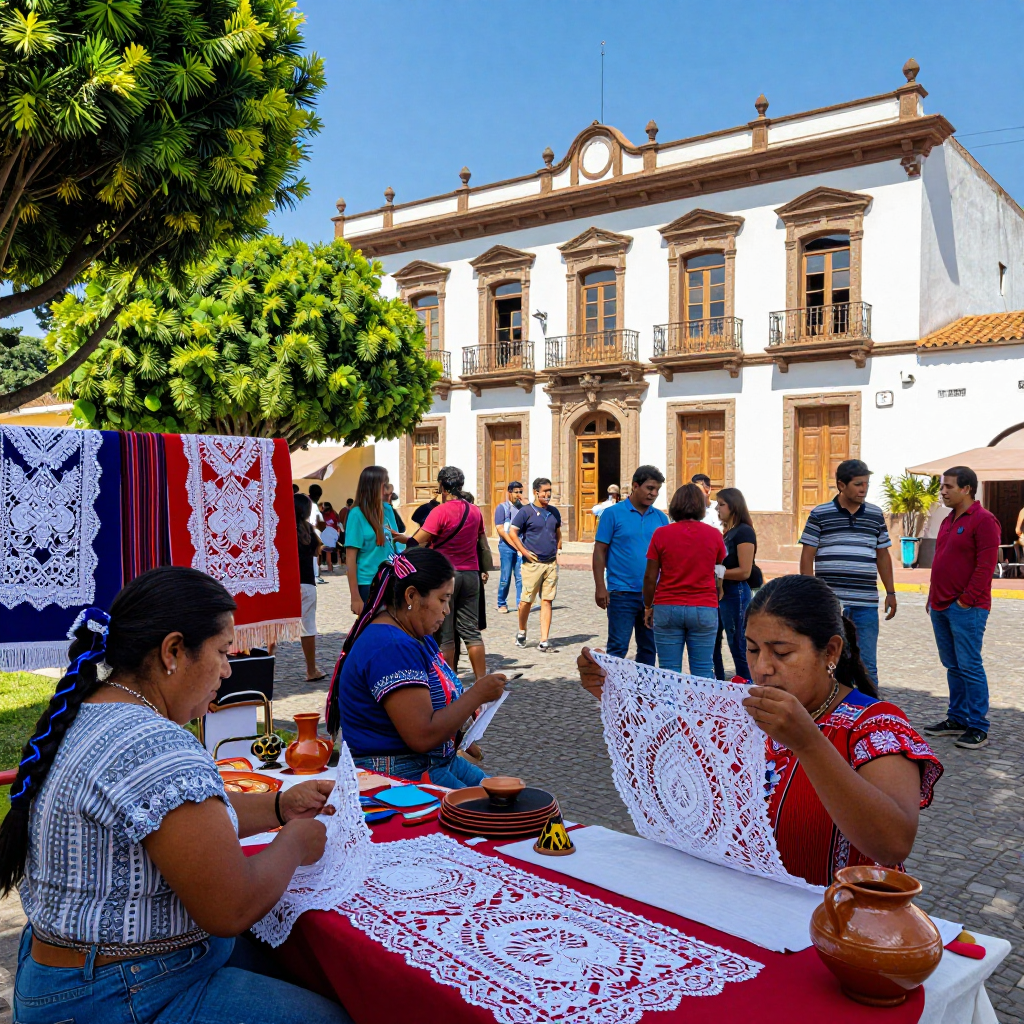
In recent years, Paraguay has emerged as a compelling case study in how cultural preservation can drive economic progress, particularly within the framework of Mercosur. The country's unique cultural landscape, shaped by indigenous influences, Spanish colonial history, and vibrant modern communities, is now being actively harnessed to promote tourism, attract foreign investment, and foster cross-border trade partnerships.
At the heart of this strategy lies the emphasis on traditional arts and crafts, which have long been integral to Paraguayan life. From intricate Ñandutí lacework to vibrant harp music and textiles, these cultural expressions are not merely artifacts but dynamic tools for economic revitalization. The government has collaborated with local artisans and cultural organizations to establish certification programs that ensure authenticity while promoting quality. This initiative not only protects the integrity of traditional crafts but also creates opportunities for exportation to global markets, especially within Mercosur nations such as Brazil, Argentina, and Uruguay.
Tourism, a sector increasingly recognized for its potential, is another area where Paraguay is capitalizing on its cultural strengths. The country's natural beauty, combined with its cultural richness, is attracting visitors seeking authentic experiences. Projects like the enhancement of historical sites, cultural festivals, and eco-tourism initiatives are designed to appeal to both domestic and international audiences. By integrating cultural heritage into tourism infrastructure, Paraguay aims to differentiate itself in a competitive market and generate revenue streams that support both the economy and local communities.
Moreover, cultural diplomacy plays a pivotal role in Paraguay's strategy. The nation participates actively in regional and international cultural exchanges, showcasing its arts and traditions at events across Mercosur countries. These engagements not only foster goodwill but also open doors for trade and investment opportunities. Analysts suggest that Paraguay's focus on cultural assets could lead to stronger bilateral agreements and partnerships, as businesses from Mercosur nations recognize the potential for collaboration in areas such as cultural tourism, creative industries, and educational exchanges.
While challenges remain—such as infrastructural limitations and the need for sustained policy support—the momentum behind Paraguay's cultural-driven economic model is undeniable. As the country continues to navigate its path within Mercosur, its rich cultural heritage stands as a foundational pillar for innovation and growth. By intertwining tradition with modernity, Paraguay is carving out a distinctive identity that resonates internationally, setting the stage for a prosperous future grounded in its unique cultural legacy.