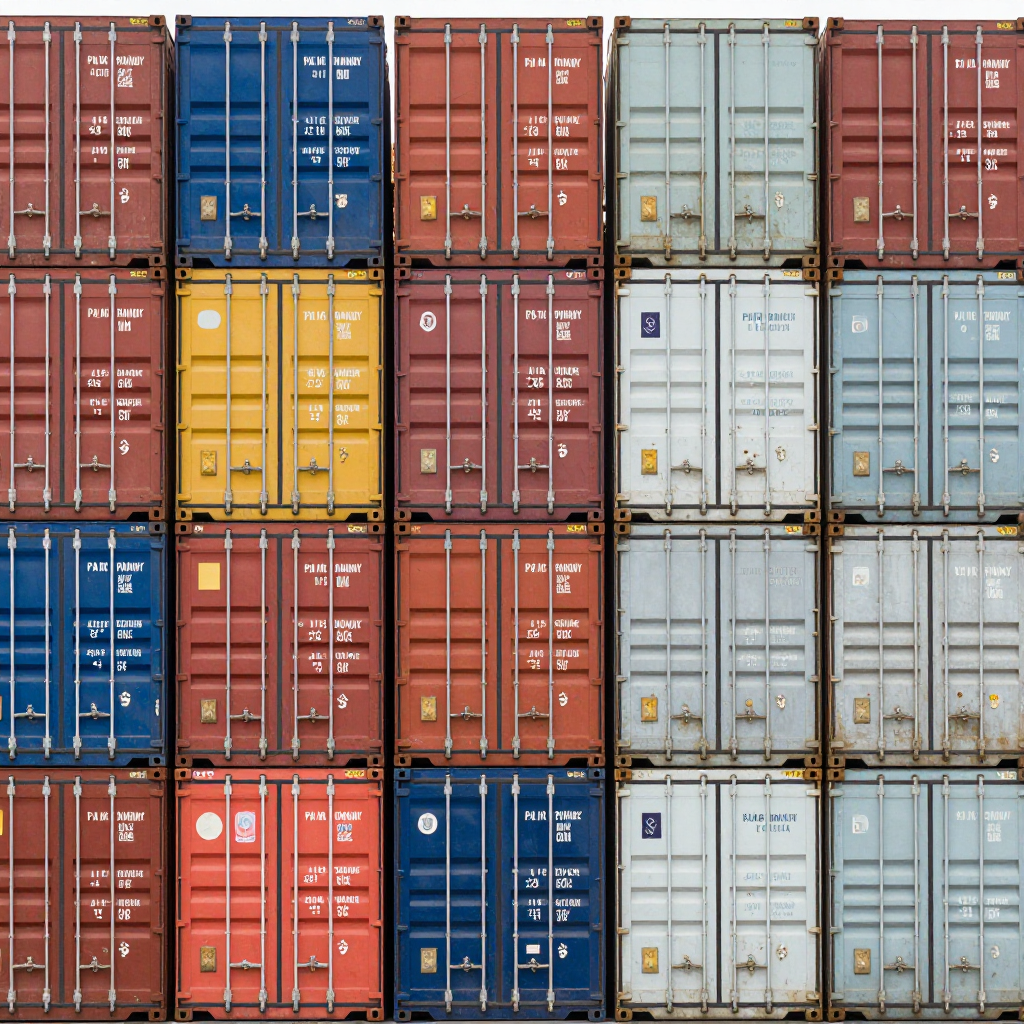
Asuncion, Paraguay – In a landmark decision, Paraguay's National Congress recently approved a series of economic reforms designed to modernize regulations, streamline bureaucratic processes, and attract foreign investment. These reforms come against the backdrop of Paraguay's ongoing efforts to solidify its role within the Mercosul trade bloc, potentially paving the way for increased economic cooperation and market access across South America.
The legislative package includes measures to simplify corporate registration procedures, reduce administrative barriers for businesses, and enhance transparency in public procurement. Notably, the reforms focus on creating a more favorable environment for foreign investors, particularly those looking to leverage Paraguay's strategic location and its membership in Mercosul. As one analyst noted, "These changes reflect a proactive approach to attracting capital inflows and reinforcing Paraguay's position as a hub for regional trade."
Economic experts in Asuncion highlight that the reforms could significantly bolster sectors such as agribusiness, energy, and infrastructure development. Paraguay's agricultural exports, a cornerstone of its economy, may benefit from improved supply chain efficiencies, while renewable energy projects could receive greater support through simplified regulatory frameworks. Additionally, the reforms aim to align Paraguay's institutional structure more closely with international standards, which could make it easier for companies to navigate doing business in the country.
From a Mercosul perspective, these efforts reinforce Paraguay's commitment to regional integration. Analysts suggest that enhanced regulations and more open investment policies could lead to stronger economic ties within the bloc, potentially benefiting from expanded trade agreements and market access. However, challenges remain, including ensuring effective implementation of these reforms and addressing ongoing issues related to corruption and bureaucracy.
Business leaders and economists are cautiously optimistic about the impact of these reforms. While they acknowledge the potential benefits, there is also recognition that sustained progress will depend on consistent enforcement and continued dialogue between government institutions and the private sector. As Paraguay moves forward, the success of these initiatives will likely play a critical role in shaping the country's economic trajectory and its positioning within the Mercosul framework.