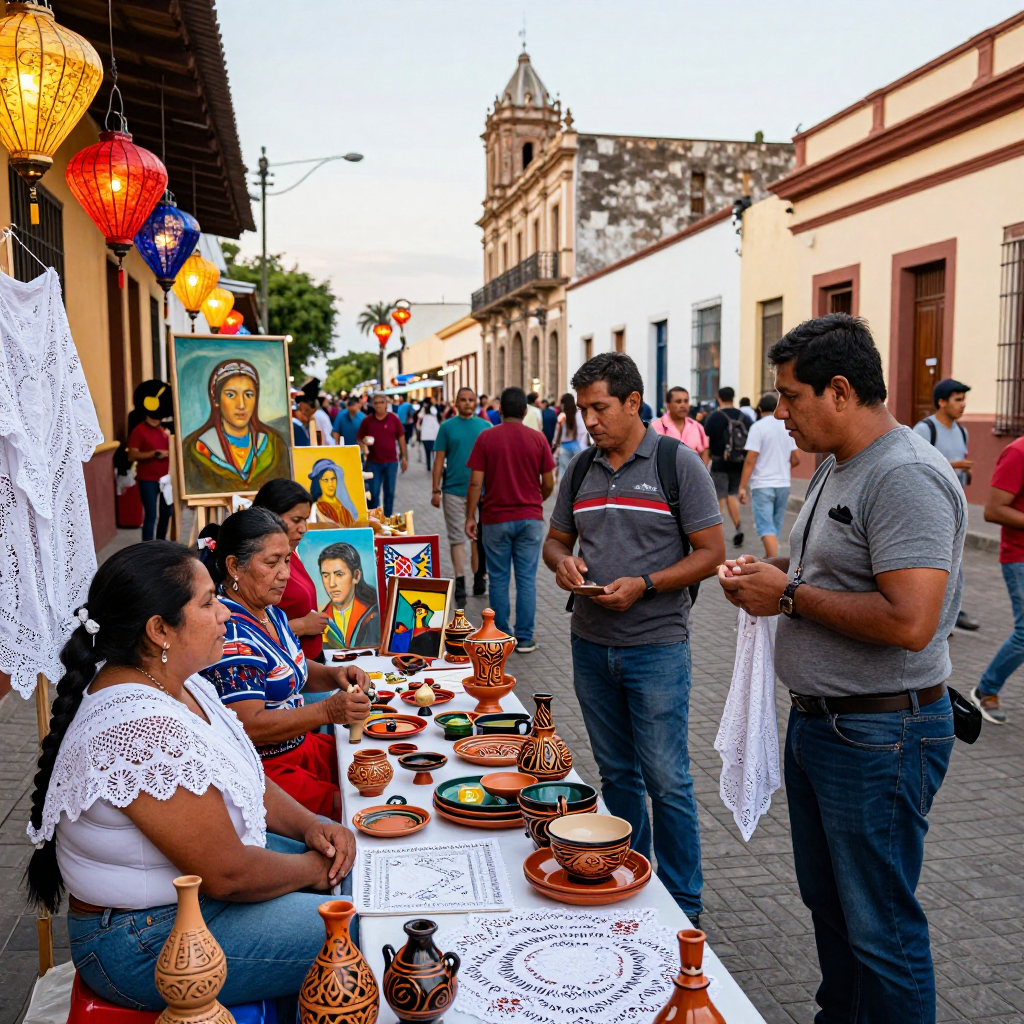
Paraguay, often overshadowed by its larger neighbors, is emerging as a cultural hub that is not only enriching its own society but also attracting global interest. This resurgence is part of a broader trend where the country is leveraging its cultural assets to enhance its soft power, expand its influence within Mercosur, and attract new economic opportunities.
At the heart of this movement is the preservation and promotion of Paraguayan indigenous cultures, particularly those of the Guaraní people. Traditional crafts, such as ñandutí lace-making and pottery, are being showcased internationally through exhibitions and diplomatic missions. These efforts have not only helped preserve centuries-old traditions but also created new markets for artisans, fostering direct ties between Paraguay's rural communities and international consumers.
The contemporary arts scene is equally dynamic. Asunción has become a center for modern art, with galleries featuring both local talent and international artists drawn to the country's unique aesthetic and affordable living costs. The annual Art Asunción fair, now in its fifth year, attracts collectors from Brazil, Argentina, and beyond, showcasing works that blend traditional motifs with modern techniques. "We are witnessing a cultural renaissance," said Dr. Jorge Marín, director of the National Museum of Visual Arts. "Artists here are finding their voice, and the world is taking notice."
This cultural momentum is aligned with Paraguay's broader ambitions to increase its profile in Mercosur. By positioning itself as a cultural crossroads, Paraguay is seeking to diversify its image beyond its role as a key agricultural exporter. "Cultural diplomacy can open doors that trade negotiations alone cannot," explained Minister of Culture, Gabriela Cáceres, during a recent press conference.
Tourism is another sector benefiting from this cultural revival. Visitors are increasingly drawn to Paraguay for its rich historical sites, such as the Jesuit Mission Ruins of Trinidad, declared a UNESCO World Heritage Site, and the vibrant festivals that celebrate traditional music and dance. Analysts suggest that if properly marketed, this cultural tourism could contribute significantly to the national economy, which currently relies heavily on soybean exports and hydroelectricity.
While challenges remain—such as infrastructure limitations and securing sustained funding for arts development—the trend is encouraging. International business leaders are beginning to view Paraguay's cultural reawakening as a testament to the country's resilience and creativity. "Investing in culture is not just about preserving our identity; it's about building a future that is both sustainable and globally relevant," emphasized President Mario Abdo Benítez in his State of the Nation address earlier this year.
As Paraguay continues to navigate its place within Mercosur and beyond, its cultural renaissance offers a promising narrative of growth and innovation. The careful balancing of traditional heritage with modern artistic expression suggests a pathway forward that respects history while embracing a global outlook.