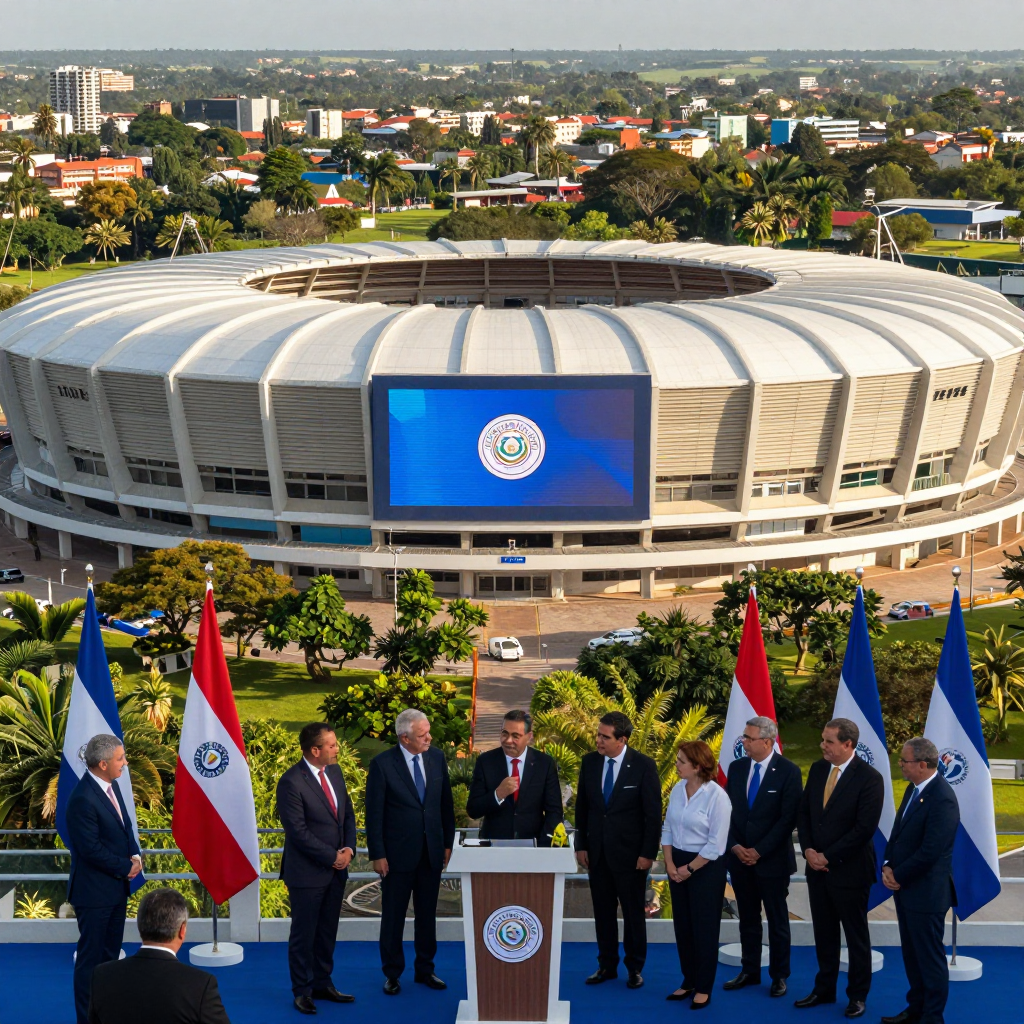
Paraguay has entered the spotlight within the global sports community as it prepares a bid to host the prestigious FIFA Congress in 2024. This strategic move not only underscores the nation's commitment to developing its sports infrastructure but also highlights Paraguay’s broader ambitions to position itself as a key player in the Mercosur region’s economic landscape. Analysts suggest that hosting such a high-profile event could bring significant benefits, including enhanced tourism, infrastructure development, and foreign investment opportunities.
The decision to pursue the FIFA Congress aligns with Paraguay's ongoing efforts to integrate sports into its national development strategy. Since 2022, the Paraguayan government has allocated additional funds to modernize existing stadiums and construct new venues, aiming to improve facilities and increase capacity. These investments are part of a larger plan to harness sports as a tool for economic diversification, reducing reliance on traditional sectors such as agriculture and textiles.
From a business perspective, Paraguay's bid for the FIFA Congress represents a unique opportunity to strengthen ties with neighboring countries in the Mercosur bloc. As a member of this economic union, Paraguay seeks to leverage its geographical and political connections to secure contracts and partnerships with regional firms. The tournament would serve as a platform for showcasing Paraguay’s business-friendly environment, particularly in sectors such as hospitality, construction, and logistics.
Moreover, hosting the FIFA Congress could have long-term implications for Paraguay's image abroad. Successful execution of the event would likely elevate the country's reputation as a reliable host for international conferences and sporting events. This, in turn, could attract multinational corporations looking to expand their operations in South America, further boosting trade and investment prospects within the Mercosur market.
Despite the potential benefits, challenges remain. Infrastructure gaps, logistical coordination, and financial planning must be addressed to ensure the event's success. However, Paraguay's proactive approach to overcoming these obstacles demonstrates a commitment to transforming its sports sector into a driver of sustainable economic growth. As the country continues its preparations, stakeholders anticipate that the FIFA Congress bid will not only benefit Paraguay domestically but also contribute to strengthening the regional collaboration within Mercosur.