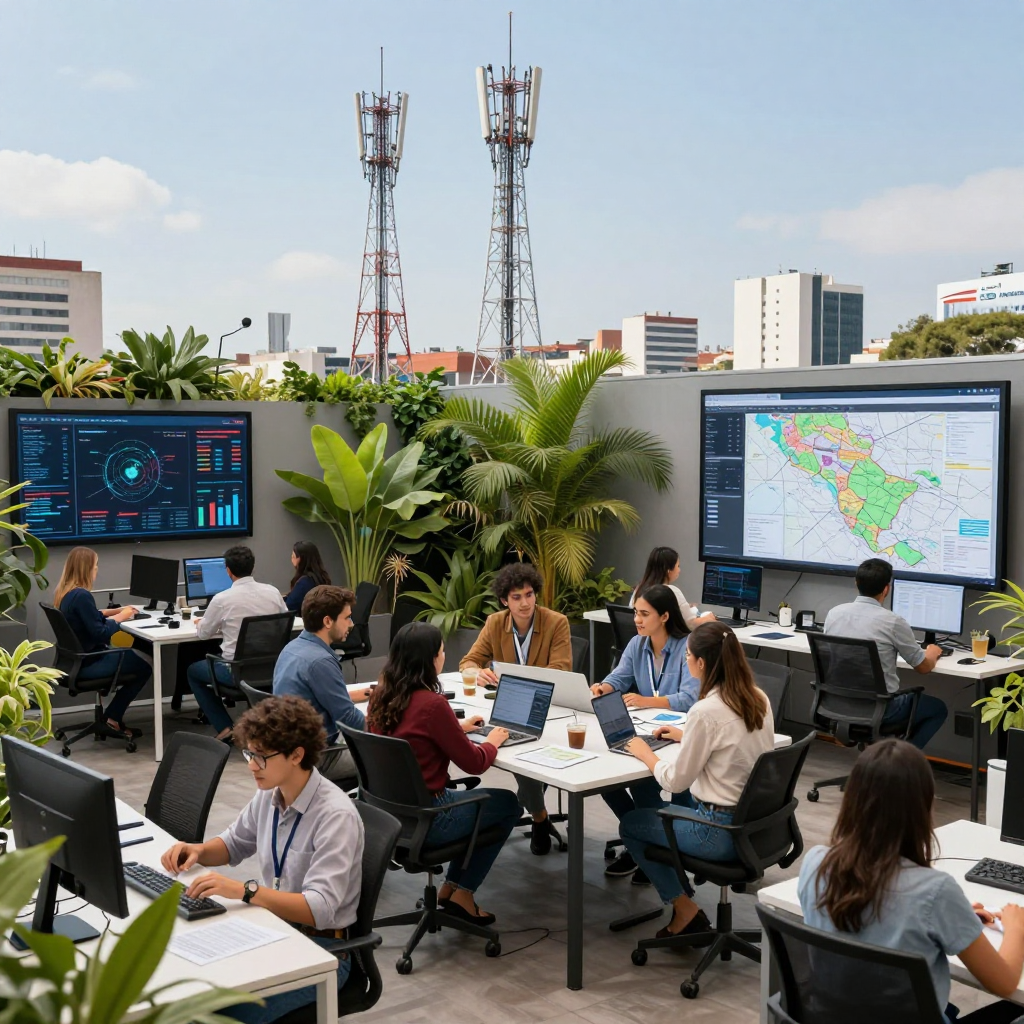
Asunción, Paraguay — In recent years, Paraguay has emerged as a potential hub for digital innovation within South America, albeit with significant hurdles to overcome. The nation's efforts to enhance its technological landscape are part of a broader push by Mercosur countries to align with global digital trends and boost economic competitiveness. This movement toward digital transformation in Paraguay is not only reshaping local industries but also positioning the country as a key player within the Mercosur bloc, a trade association that includes Brazil, Argentina, Uruguay, and Paraguay itself.
The cornerstone of Paraguay's digital ambitions lies in its telecommunications sector. Key developments include ongoing upgrades to mobile network infrastructure, which are primarily led by the country's dominant telecom operators such as Personal (a subsidiary of América Móvil) and Tigo (part of Millicom). These investments have expanded access to high-speed internet services across urban centers, although rural areas still face connectivity gaps. Analysts note that closing this digital divide is crucial for fostering widespread adoption of digital technologies and enabling businesses to compete internationally.
Tech startups are another vital component of Paraguay’s burgeoning tech ecosystem. While the startup scene remains nascent compared to its larger neighbors, there are promising signs of growth. Initiatives such as Paraguay's first co-working space, Impact Hub Asunción, provide budding entrepreneurs with the resources and mentorship needed to develop scalable ideas. Recent examples include fintech solutions aimed at improving financial inclusion through mobile banking and digital payment systems, particularly targeting underserved populations. These innovations could play a pivotal role in reducing cash dependency and promoting economic empowerment.
However, Paraguay faces several challenges in fully realizing its digital potential. Regulatory frameworks often lag behind technological advancements, creating uncertainty for both domestic and foreign investors. Additionally, skills shortages in STEM fields continue to impede the development of a robust tech workforce. Government initiatives, such as partnerships with international organizations and educational institutions, aim to address these issues, but progress remains slow.
Despite these challenges, the future of Paraguay’s technology sector looks cautiously optimistic. As the country integrates further into Mercosur's digital economy, it is likely to benefit from regional collaborations and shared expertise. Analysts suggest that Paraguay's strategic位置 as a central hub within South America could facilitate greater international investment in its tech sector. Meanwhile, local businesses are increasingly adopting digital strategies to remain competitive in the global marketplace, indicating a gradual shift toward a more digitally driven economy.
In conclusion, while Paraguay is making strides in its journey toward digital transformation, it must overcome structural barriers and continue to invest in infrastructure and human capital. As the region’s economic dynamics evolve, Paraguay’s ability to leverage technology effectively will be instrumental in shaping its role within Mercosur and beyond.