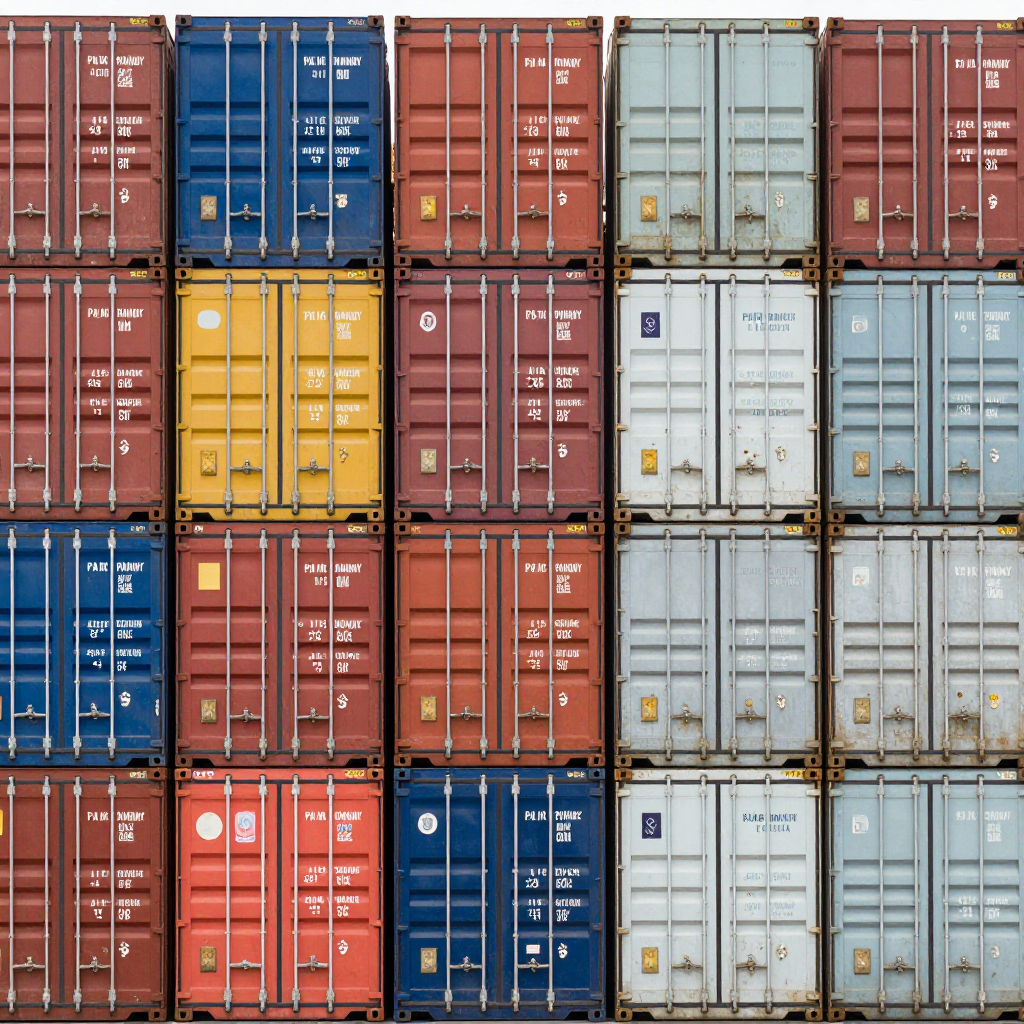
Asunción, Paraguay — In a move expected to reshape its economic landscape, the Paraguayan government has unveiled a comprehensive trade policy reform aimed at deepening its integration into Mercosur, the South American trade bloc. At a press conference held yesterday, government officials outlined a strategic plan designed to streamline customs procedures, harmonize regulatory frameworks, and enhance trade facilitation measures across member states.
The initiative, which builds upon Paraguay’s existing membership in Mercosur, focuses on fostering a more unified market environment. Key components of the new policy include digitizing customs processes, ensuring greater transparency in trade regulations, and promoting cross-border investments among Mercosur nations. According to official statements, these reforms are intended to reduce bureaucratic hurdles and lower transaction costs for businesses, making Paraguay a more attractive investment destination.
Analysts highlight the potential benefits for international firms engaged in agriculture, manufacturing, and technology sectors, as Paraguay seeks to position itself as a strategic link between Mercosur countries and global markets. "This policy aligns perfectly with our goal of becoming a regional logistics hub," said a spokesperson from the Ministry of Industry and Commerce. "By reducing barriers to trade, we aim to foster stronger economic partnerships with Brazil, Argentina, Uruguay, and other Mercosur members."
The initiative also reflects Paraguay’s commitment to leveraging Mercosur’s collective bargaining power in global trade negotiations. As Mercosur looks to strengthen its trading relationships with the European Union and potentially explore agreements with the United States, Paraguay’s efforts to harmonize its trade policies could provide a competitive edge for local enterprises. "The reforms will allow us to better capitalize on Mercosur’s negotiating clout while attracting foreign direct investment," added the spokesperson.
However, challenges remain. Opposition critics argue that the proposed changes may strain domestic industries unprepared for increased competition and could lead to job losses in certain sectors. They also raise concerns about the administrative capacity needed to implement such sweeping reforms effectively. Despite these reservations, government officials maintain that the long-term benefits outweigh any short-term disruptions.
"This is not just about enhancing trade; it’s about building a sustainable economic future for Paraguay," said one official. "By working closely with Mercosur partners, we can create an environment where businesses thrive and contribute to broader regional prosperity." As Paraguay moves forward with these reforms, the nation appears poised to play a more significant role in shaping the economic dynamics of Mercosur and beyond.