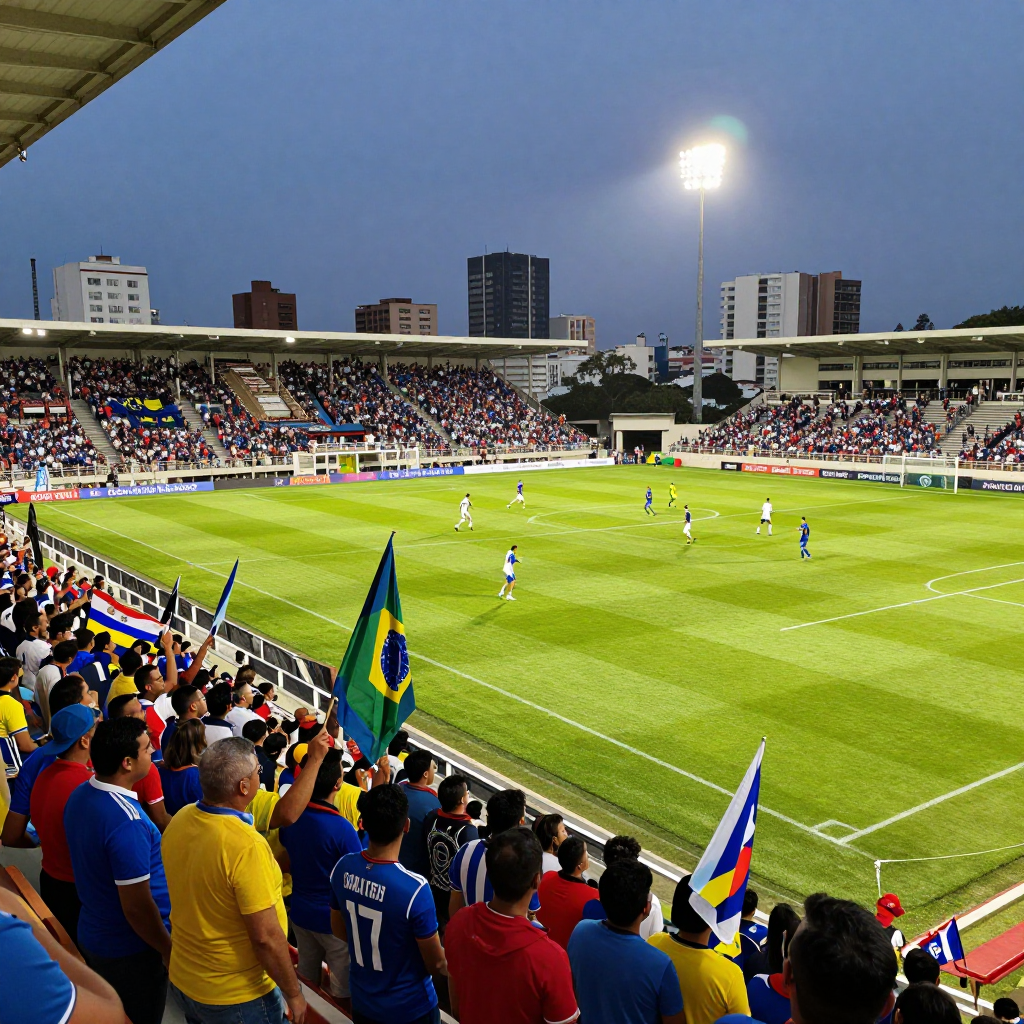
In the latest development within Paraguay's vibrant sporting landscape, the nation recently completed hosting back-to-back international football tournaments, which not only showcased its passion for the game but also underscored its growing role in the global sports arena. These tournaments, held in Asunción and other major cities, attracted teams from across South America, drawing thousands of fans and international attention. While Paraguay's football talent has long been celebrated, the successful organization of these events signals a strategic shift towards positioning the country as a hub for sports tourism within the Mercosur region.
The tournaments, which included participants from Brazil, Argentina, and Uruguay, were part of a broader initiative by the Paraguayan government and private sector to capitalize on the country's athletic infrastructure. With stadiums such as the Estadio Defensores del Chaco in Asunción being upgraded in recent years, Paraguay now possesses venues capable of hosting large-scale international competitions. This upgrade, funded through a mix of public investment and partnerships with regional businesses, reflects a commitment to developing sports as a driver of both cultural exchange and economic growth.
From a business perspective, the impact of these sports events goes beyond direct ticket sales and tourism revenue. Hospitality, transportation, and media sectors saw significant spikes in activity, creating new opportunities for local businesses and investors. According to local analysts, the influx of visitors during the tournaments generated over $10 million in the hospitality industry alone, demonstrating potential for sustained growth if such events become regular occurrences. Moreover, the tournaments served as a platform for regional networking, with Mercosur-based companies exploring possible long-term collaborations tied to sports tourism.
Looking ahead, Paraguay's ambition extends to securing greater visibility in the international sports calendar. Officials have expressed interest in bidding for future continental and even global football events, which could further solidify the country's reputation as a reliable host. However, challenges remain, including the need to improve ancillary services and infrastructure, such as improved transportation links between cities and enhanced safety measures. Addressing these issues will be critical in ensuring that Paraguay can sustainably leverage its sports sector for economic benefits.
Observers note that Paraguay's push into sports tourism aligns well with broader regional trends, particularly within Mercosur, where countries like Brazil and Argentina have long capitalized on their sporting heritage to drive economic gains. By integrating its efforts with regional initiatives, Paraguay could position itself as a key player in Mercosur's emerging sports tourism ecosystem. As the country continues to refine its approach, stakeholders in the private and public sectors are increasingly optimistic that sports can become a powerful engine for Paraguay's economic diversification and international profile enhancement.