Asunción, Paraguay – In a significant development for Paraguyan businesses and the broader Mercosur region, the Paraguayan government has enacted several policy measures designed to deepen economic ties with its Mercosur partners. These moves come amid growing geopolitical shifts that have reshaped the dynamics of the Southern Cone countries, offering both challenges and opportunities for businesses operating in the region.
The latest legislative actions taken by the Asunción-based Congress focus on streamlining trade regulations, reducing barriers to cross-border commerce, and enhancing Paraguay’s attractiveness as an investment destination. According to industry experts, these reforms could significantly bolster the country’s position within Mercosur, particularly by facilitating greater access to the bloc’s combined market of over 290 million consumers.
A key piece of legislation, which received bipartisan support, seeks to modernize customs procedures and align them more closely with those of Brazil and Argentina—two of Paraguay’s most important trading partners within Mercosur. This move, if effectively implemented, could reduce delays at borders and lower transaction costs for exporters and importers alike. Businesses in sectors such as agribusiness, energy, and manufacturing stand to gain the most from these changes, given their reliance on seamless supply chains across the region.
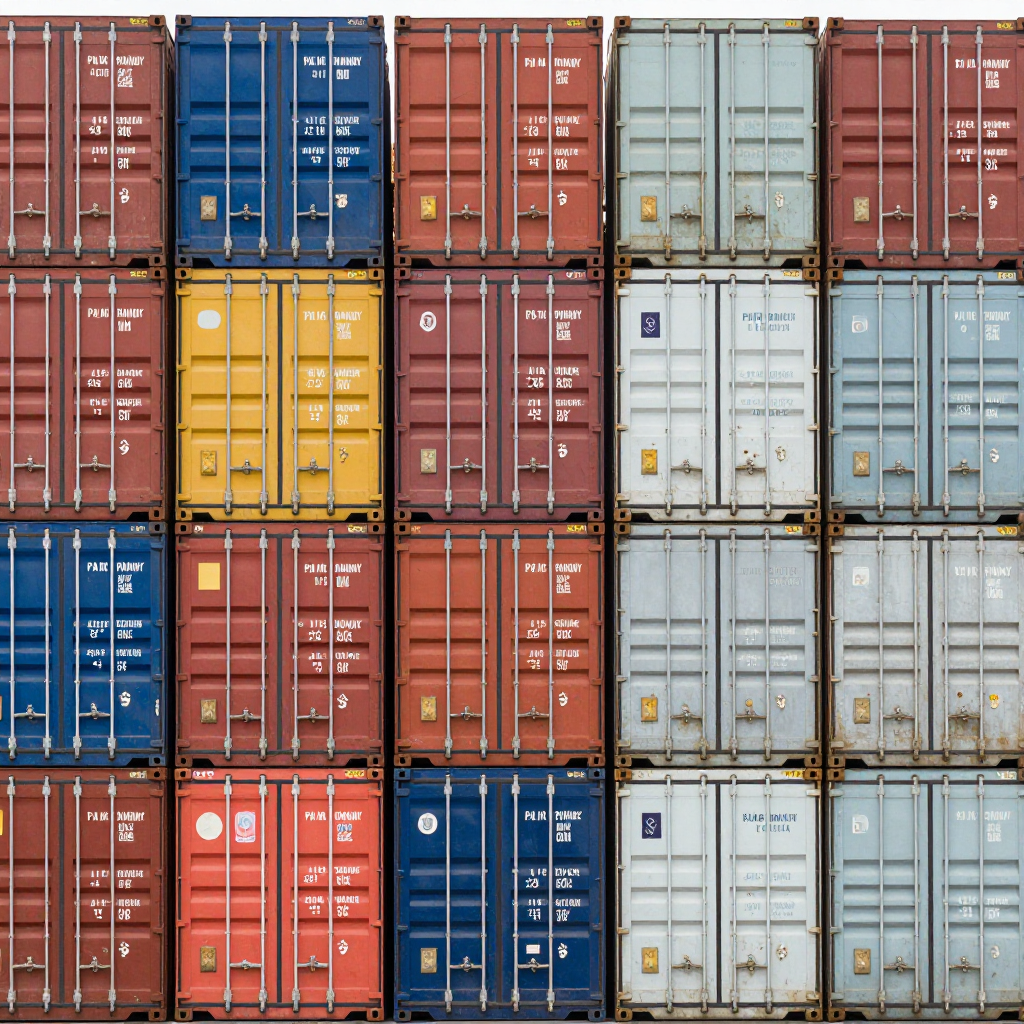
Additionally, the government has announced plans to expand infrastructure projects, including upgrades to ports and highways, to better connect Paraguay to neighboring markets. Such investments aim to enhance logistical efficiency and reduce transport times, making Paraguay more competitive as a transit hub within the Mercosur bloc. This strategic focus on logistics is expected to attract increased foreign direct investment (FDI), particularly from firms looking to establish production bases or distribution centers in the region.
Economic analysts note that while these policies signal a positive trajectory for Paraguay’s integration into Mercosur, challenges remain. Political instability, bureaucratic hurdles, and inflationary pressures continue to pose risks to sustained growth. Nonetheless, the recent policy measures demonstrate the government’s commitment to leveraging its geostrategic position within Mercosur to drive economic development and attract international interest.
Looking ahead, Paraguay’s ability to capitalize on its Mercosur membership will depend on its capacity to address internal obstacles and maintain robust diplomatic relations with key partners. Business leaders are cautiously optimistic about the prospects of these reforms, but they underscore the need for continued dialogue between policymakers and stakeholders to ensure that the benefits of deeper integration are equitably distributed across all sectors of the economy.
As the country navigates these critical junctures, it remains clear that Paraguay’s future within Mercosur is intricately linked to its success in fostering a stable, business-friendly environment capable of attracting both domestic and international investments.