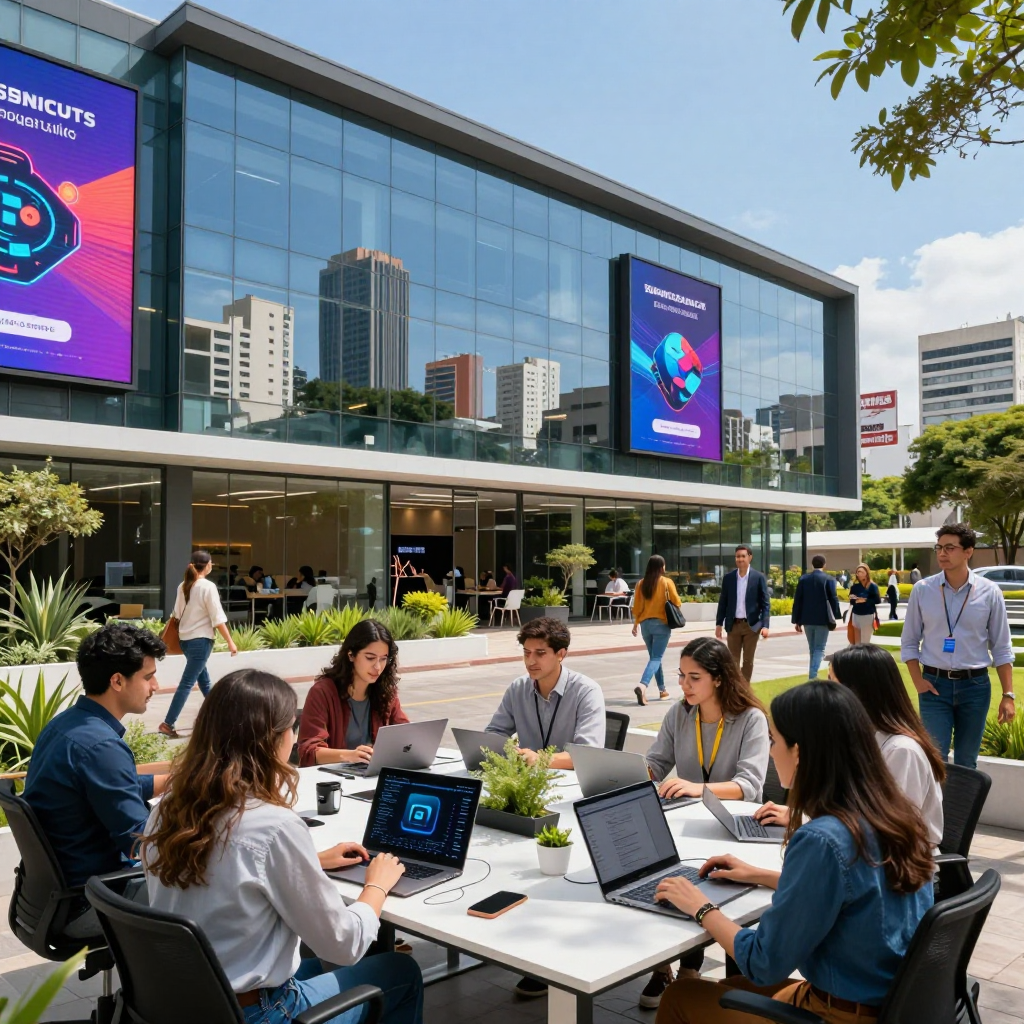
Asunción, Paraguay — In recent years, Paraguay has emerged as a focal point for technological innovation within the Mercosur region, marked by a notable increase in digital transformation across various sectors. This development is primarily fueled by advancements in telecommunications and a burgeoning ecosystem of technology startups. According to industry experts, Paraguay’s strategic position within South America, combined with its growing emphasis on digital connectivity, presents both opportunities and challenges for businesses looking to expand into the region.
The foundation of Paraguay’s digital transformation lies in its improving telecommunications infrastructure. Recent initiatives, such as investments in fiber optic networks and mobile broadband expansion, aim to enhance connectivity across the country. These efforts are crucial for supporting the growth of digital services and enabling businesses to adopt new technologies more effectively. Analysts suggest that this enhanced connectivity could help reduce the digital divide and promote inclusivity, benefiting not only large enterprises but also small and medium-sized businesses (SMEs).
The rise of tech startups in Paraguay is another key driver of the country’s technological advancement. Cities like Asunción have become hubs for entrepreneurship, attracting both local and international talent. Startups are leveraging innovative solutions to address local challenges, from fintech platforms aimed at financial inclusion to agritech tools designed to improve agricultural productivity. These initiatives not only foster economic growth but also position Paraguay as a potential innovation center within Mercosur.
However, challenges remain. Issues such as regulatory frameworks and cybersecurity concerns continue to pose barriers to widespread digital adoption. Businesses operating in Paraguay may need to navigate complex legal landscapes while ensuring data protection standards align with international best practices. Additionally, the country faces competition from neighboring nations, which are also investing heavily in their tech ecosystems.
Despite these hurdles, the momentum behind Paraguay’s digital transformation is palpable. Industry leaders anticipate that continued investment in technology will lead to increased economic resilience and open new avenues for collaboration with Mercosur partners. As the country further integrates into the global digital economy, businesses from around the world should consider Paraguay as a strategic market for expanding their presence in Latin America.
In conclusion, Paraguay’s embrace of technology adoption and digital transformation represents a pivotal moment for the nation’s economy and its role within Mercosur. While there are obstacles to overcome, the potential benefits—ranging from improved connectivity to innovative startup ecosystems—are poised to make Paraguay a compelling destination for international businesses eager to capitalize on emerging markets.