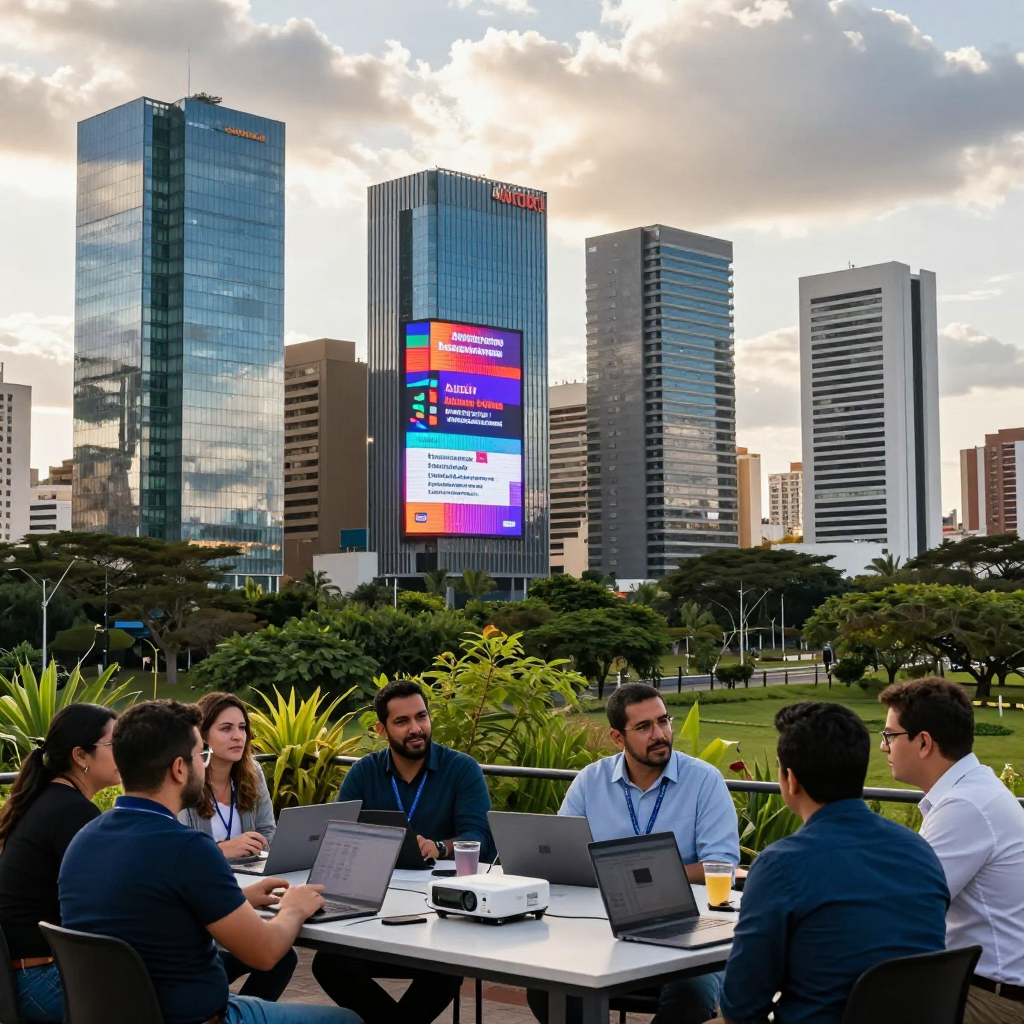
As Paraguay continues to position itself as an integral player within the Mercosur trade bloc, the nation is undergoing a significant push toward digital transformation. Driven by government initiatives and private sector investments, this technological evolution is reshaping the country's economic landscape and offering new opportunities for international businesses seeking to expand in South America.
The foundations of Paraguay's digital transformation are evident in the ongoing upgrades to its telecommunications infrastructure. Recent developments have seen increased investment in high-speed internet connectivity, particularly in urban centers like Asunción and cities along the Paraguay River. These improvements aim to bridge the digital divide between rural and urban areas, ensuring that a larger portion of the population can access the internet and benefit from e-commerce platforms and online services. According to the International Telecommunication Union (ITU), Paraguay has seen steady growth in internet penetration rates over the past decade, though challenges remain in reaching more remote regions.
In parallel, the country is witnessing a burgeoning ecosystem of tech startups, fueled by local entrepreneurs and supported by government programs aimed at fostering innovation. Initiatives such as incubators and accelerators are providing essential resources to early-stage businesses, ranging from agritech solutions tailored to Paraguay's agricultural sector to fintech platforms designed to enhance financial inclusion. These startups are not only addressing domestic needs but also positioning themselves for regional and global markets, leveraging the Mercosur framework to reach neighboring countries.
International companies are taking note of these developments. Many see Paraguay as an attractive market due to its strategic location within the Southern Cone, low labor costs, and evolving regulatory environment that increasingly supports digital commerce. Mercosur's emphasis on harmonizing regulations across member states could further facilitate cross-border expansions for tech firms seeking to leverage Paraguay's advancements while expanding into Brazil, Argentina, and Uruguay.
However, challenges persist. Cybersecurity concerns, outdated legal frameworks around data protection, and a skills gap in the local workforce pose potential barriers to rapid progress. The government has acknowledged these issues and is actively working on policy reforms, including the recent introduction of draft legislation aimed at modernizing data privacy laws in line with global standards.
Overall, Paraguay's commitment to digital transformation reflects a broader vision of economic diversification and regional integration. As the nation seeks to capitalize onMercosur's collective strength, it is clear that technology will play a pivotal role in shaping its future within the global business landscape. With continued investment and supportive policies, Paraguay may emerge as a key hub for digital innovation in the region.