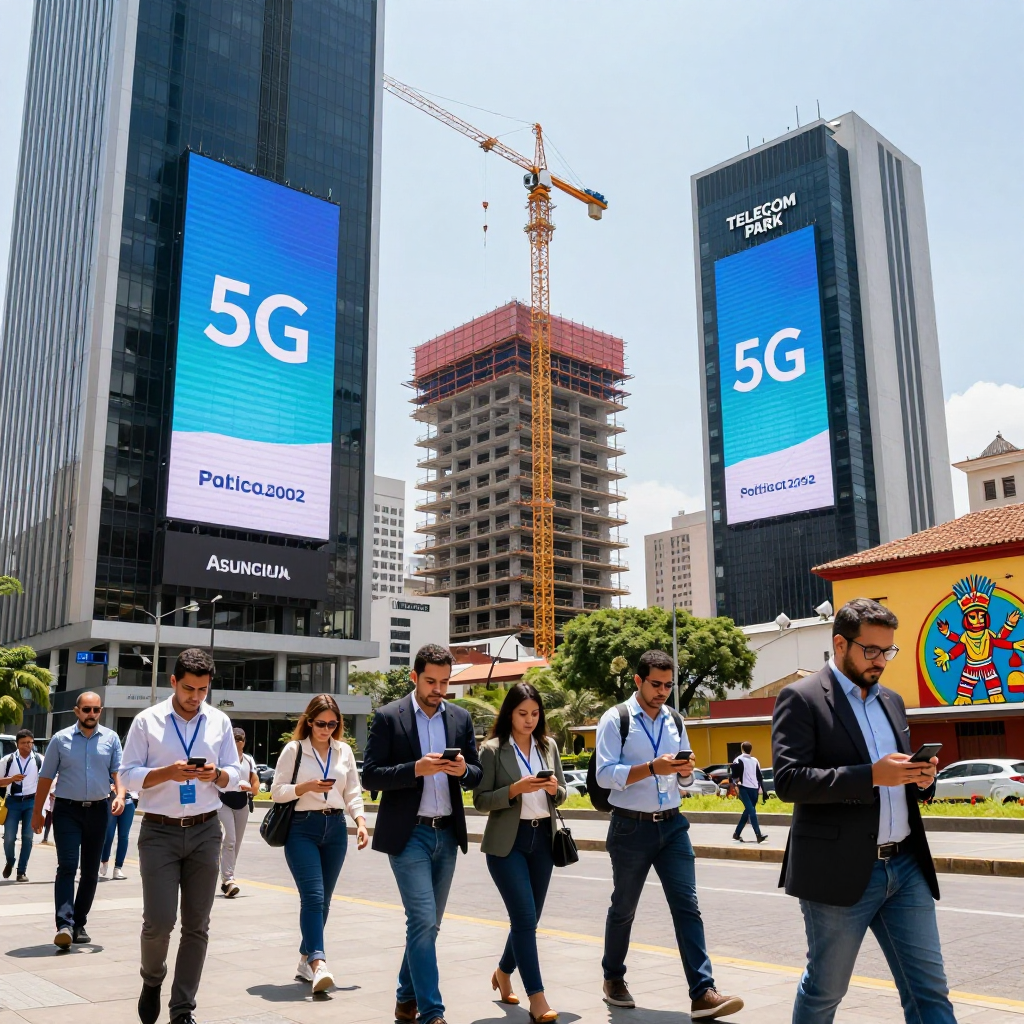
Asunción, Paraguay — In recent years, Paraguay has positioned itself at the forefront of digital transformation within the Mercosur region, aiming to capitalize on the opportunities presented by technology adoption. With a strategic focus on upgrading telecommunications infrastructure and fostering innovation through tech startups, the country is experiencing a shift toward becoming a more digitally connected nation. This transition not only aligns with global trends but also addresses local needs, such as improving access to remote healthcare services and enhancing agricultural productivity.
The cornerstone of Paraguay’s digital ambitions lies in its commitment to modernizing telecommunications. Recent partnerships between local operators and international technology firms have led to the expansion of fiber optic networks and the deployment of 4G and 5G technologies across key urban areas. These initiatives are crucial for reducing connectivity disparities and ensuring businesses have reliable high-speed internet access. According to industry reports, this enhanced connectivity could boost Paraguay’s GDP by up to 3% over the next decade, as improved digital infrastructure attracts foreign investment and promotes domestic entrepreneurship.
Tech startups in Paraguay are also gaining momentum, driven by a supportive ecosystem that includes incubators, accelerators, and government initiatives aimed at fostering innovation. Companies specializing in fintech, e-commerce, and agritech are emerging as leaders in leveraging technology to solve practical problems. For instance, fintech platforms are simplifying banking processes for underserved populations, while agritech startups are using data analytics to optimize farming practices, potentially increasing yields and efficiency. These innovations are not only addressing local market demands but also positioning Paraguayan startups for potential scalability into neighboring Mercosur countries.
However, despite these positive developments, Paraguay faces several challenges in its journey toward digital transformation. Infrastructure limitations remain a significant hurdle, particularly in rural areas where access to broadband and mobile services is still inconsistent. Additionally, regulatory frameworks have been slow to adapt to new technologies, raising concerns about data privacy and cybersecurity. Analysts suggest that bridging these gaps will require sustained collaboration between the government, private sector, and international partners to ensure a balanced and inclusive approach to digitalization.
In conclusion, Paraguay’s commitment to embracing technology presents both opportunities and challenges. While the country is making progress in telecommunications and startup development, addressing infrastructure and regulatory issues will be essential for realizing the full potential of digital transformation. As Paraguay continues to navigate this transformative period, its success will likely serve as a model for other developing nations seeking to leverage technology for sustainable economic growth.