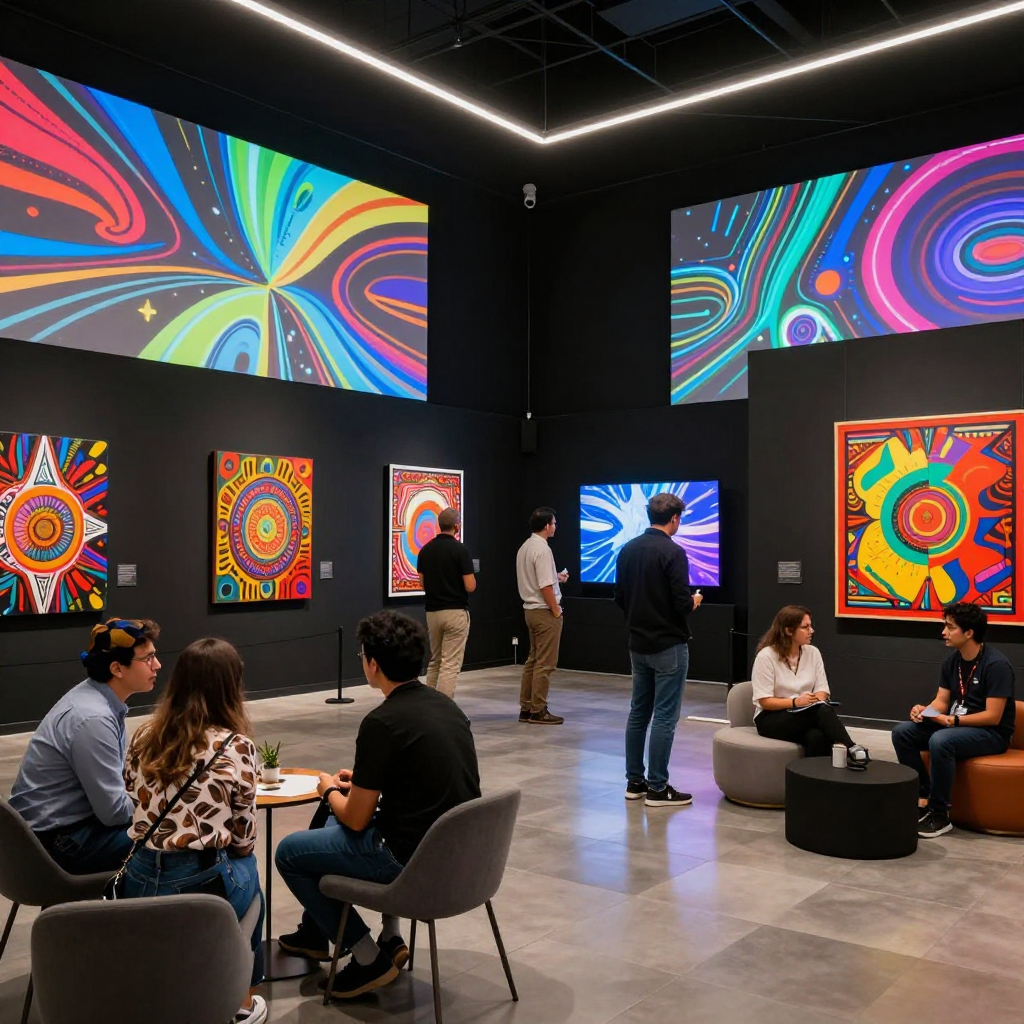
Asunción, Paraguay — In recent years, Paraguay has witnessed a burgeoning interest in digital art, which is reshaping the country's cultural narrative and opening doors for international business engagement. Spearheaded by a vibrant community of artists and supported by government initiatives focused on fostering creative industries, this trend reflects Paraguay's growing ambition to position itself as a hub for innovative cultural exchange within Mercosur.
The rise of digital art in Paraguay is part of a larger global shift toward integrating technology into traditional art forms. As businesses increasingly recognize the value of digital creativity in marketing, branding, and corporate social responsibility, Paraguay's emerging digital art scene presents a unique opportunity for foreign enterprises looking to tap into this dynamic market. Analysts suggest that this could attract not only cultural investments but also tech-driven collaborations, potentially strengthening Paraguay's position within the Mercosur bloc as a destination for innovation.
One notable development is the establishment of the Centro de Arte Digital (CAD), a non-profit organization based in Asunción that promotes digital art through workshops, exhibitions, and partnerships with educational institutions. CAD has successfully attracted support from local and international businesses, including tech startups and multinational corporations keen to explore sustainable partnerships that leverage Paraguay's rich cultural heritage.
According to industry experts, the growth of digital art in Paraguay could have significant implications for the country's economy. By attracting investments in digital technologies and creative industries, Paraguay may enhance its reputation as a forward-thinking nation within Mercosur, aligned with regional efforts to diversify economies beyond traditional sectors such as agriculture and energy. Furthermore, this cultural renaissance could foster talent development, providing opportunities for young Paraguayans to enter high-growth sectors like digital design, virtual reality, and augmented reality.
For international businesses, the potential lies in exploring strategic alliances with Paraguayan digital artists and cultural institutions. Such collaborations could include co-branding initiatives, sponsorship of digital art festivals, or joint ventures that integrate Paraguayan cultural symbolism into global marketing campaigns. These partnerships could help firms leverage the growing global fascination with Latin American art while contributing to the sustainability of Paraguay's cultural scene.
Despite the promising outlook, challenges remain. Infrastructure gaps, particularly in high-speed internet connectivity outside urban centers, may hinder the full realization of Paraguay's digital art potential. Additionally, ensuring equitable access to digital tools and training for emerging artists, especially those from underserved regions, will be crucial to sustaining this cultural movement. However, ongoing government efforts, such as the promotion of digital literacy programs, indicate a commitment to addressing these issues.
In conclusion, the digital art revolution in Paraguay represents more than just a cultural transformation; it signifies a potential business frontier for international investors eager to engage with Latin America's evolving cultural and economic landscapes. As Paraguay navigates this exciting path, its ability to successfully integrate technology with tradition could set a precedent for other Mercosur nations seeking to balance economic growth with cultural preservation.