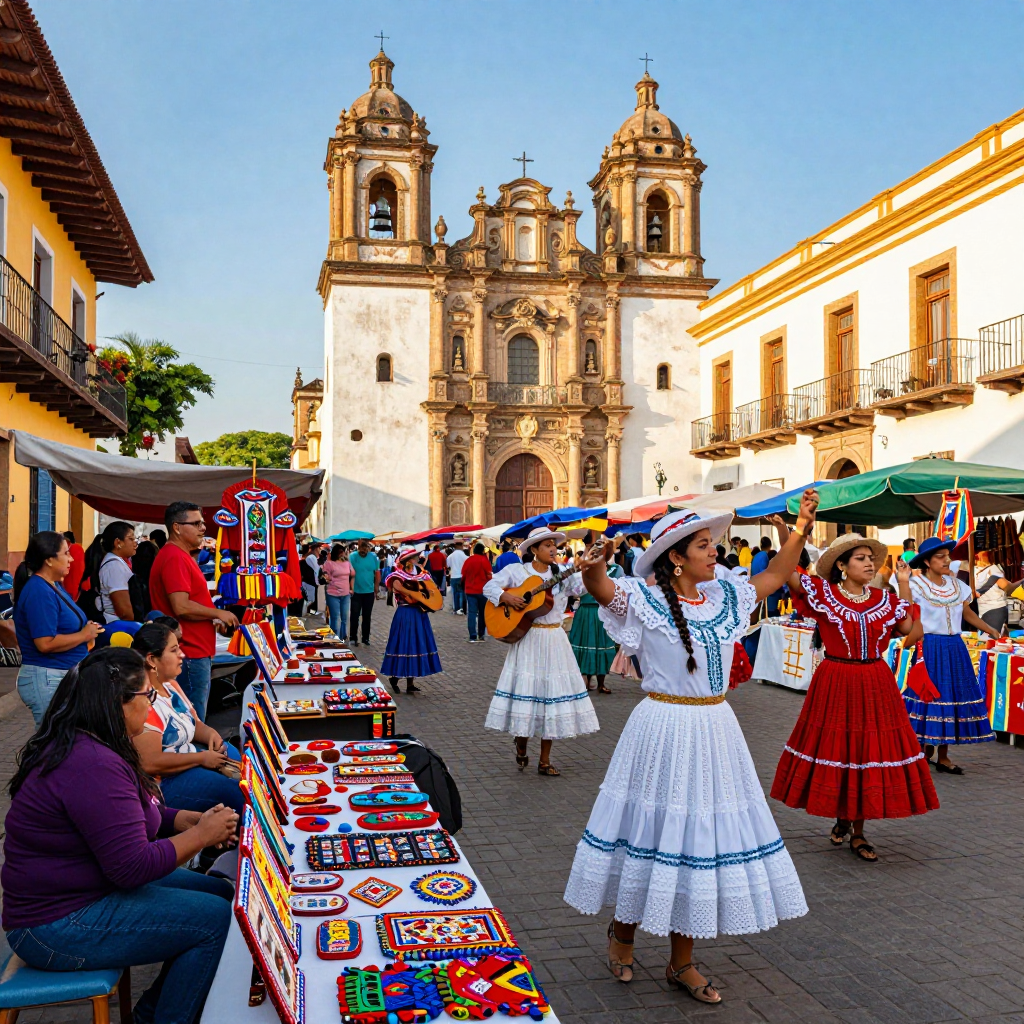
Asunción, Paraguay — In a bid to bolster economic growth and diversify its revenue streams, Paraguay is strategically positioning itself as a hub for cultural tourism. With a rich tapestry of indigenous traditions, vibrant art scenes, and historical landmarks, the country sees cultural tourism as a lucrative sector that could enhance its global appeal and attract foreign investment.
Paraguay's Ministry of Culture has unveiled several initiatives aimed at promoting the country's cultural assets on an international scale. These include the restoration of key historical sites, such as the Jesuit missions in UNESCO-listed Trinidad and Jesús, which date back to the 17th century and stand as testaments to the country's colonial past. Additionally, there is increased focus on supporting local artisans, musicians, and artists to showcase their work globally through trade fairs, exhibitions, and digital platforms.
The strategy aligns with broader economic goals outlined in Paraguay’s National Development Plan, which emphasizes sustainable growth and the integration of cultural industries into the national economy. Analysts believe that cultural tourism could not only generate direct revenue but also indirectly benefit sectors such as hospitality, transportation, and retail. "Cultural tourism has the potential to become a cornerstone of Paraguay’s economic diversification efforts," said Dr. Maria Lizarraga, an economist specializing in tourism development. "It offers a unique value proposition within Mercosur, where countries often compete based on similar industrial offerings."
Investment from the private sector is already trickling in, with several international and local businesses exploring opportunities to develop eco-lodges, cultural tours, and interactive experiences centered around Paraguay’s indigenous communities. For example, projects are underway to create experiential tour packages that allow visitors to engage directly with Guarani traditions, such as traditional music, dance, and handicrafts. These initiatives are expected to provide employment opportunities for locals while preserving cultural authenticity.
Moreover, Paraguay's strategic location, situated between Brazil, Argentina, and Bolivia, makes it an attractive stopover for tourists traveling across South America. Its membership in Mercosur further enhances its appeal, providing a gateway to other culturally rich nations within the bloc. "We see Paraguay as a hidden gem waiting to be discovered," noted Ivan Pereira, CEO of a leading regional tourism company. "With careful planning and investment, it can become a significant player in the cultural tourism market."
Despite the optimism, challenges remain. Infrastructure development, particularly in remote areas rich in cultural heritage, is a critical need. Additionally, balancing tourism growth with environmental sustainability and preserving cultural integrity will require robust regulatory frameworks and community engagement. The government has pledged to address these issues through targeted policies and partnerships with NGOs and international organizations.
In conclusion, Paraguay’s pivot towards cultural tourism represents a significant shift in its economic strategy. By leveraging its unique cultural landscape, the country hopes to carve out a niche in the global tourism sector and attract businesses keen on capitalizing on this emerging trend. As the world continues to rediscover the allure of authentic cultural experiences, Paraguay stands poised to make its mark.