Asunción, Paraguay — In a significant move to strengthen its position in the Mercosur trading bloc, the Paraguayan government has introduced sweeping trade policy reforms designed to attract foreign investment and promote domestic economic growth. These reforms, announced during a special session of Congress last week, signal a renewed commitment to integrating Paraguay more deeply into global trade networks while adhering to regional trade agreements.
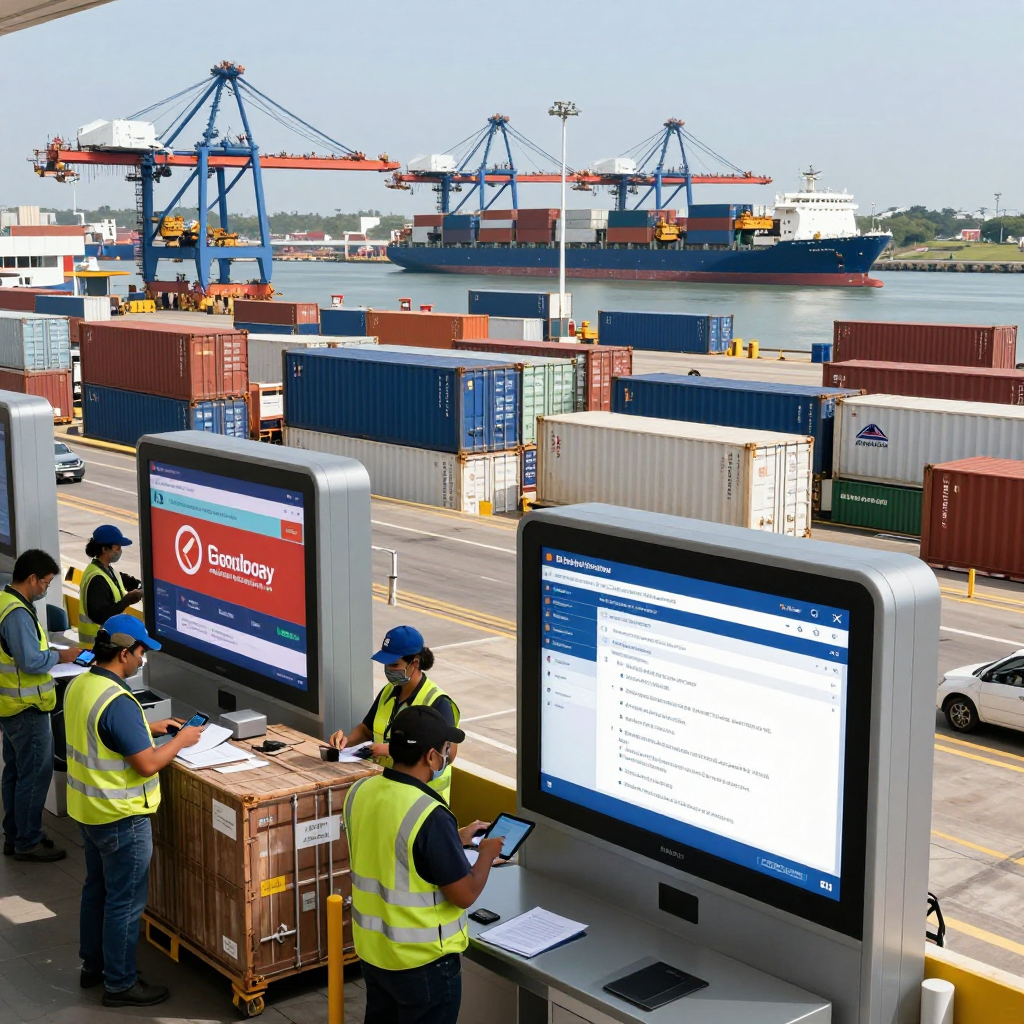
At the center of the reform package is a focus on streamlining customs procedures and reducing administrative barriers for international trade. The government aims to enhance通关效率 by digitizing customs processes and implementing a single window system for import and export documentation. These changes could significantly reduce the time it takes for goods to cross borders, making Paraguay more attractive to exporters and importers alike.
Economic analysts have pointed out that these reforms come at a crucial juncture, as Paraguay seeks to leverage its strategic location between Brazil and Argentina to increase its role in regional logistics and trade. "By improving trade facilitation, Paraguay is positioning itself as a key transit hub for goods moving through Mercosur," said Maria Gonzalez, an economist specializing in regional trade dynamics. "This could lead to increased investment in infrastructure and logistics sectors."
One notable aspect of the new policy is its emphasis on intellectual property rights and digital trade. The government has committed to aligning its laws with modern standards to better protect foreign investments and encourage the entry of technology-driven enterprises. This move is particularly relevant given Paraguay's ambition to diversify its economy beyond traditional agricultural exports into higher-value added industries such as e-commerce and software development.
However, challenges remain. Critics argue that while the reforms are ambitious, their success will depend on effective implementation and the ability to ensure consistency across different levels of government. "While the policies are promising, the devil is in the details," noted Carlos Ramirez, a trade expert based in Asunción. "Ensuring transparency and accountability in the administration of these reforms will be key to their long-term impact."
On the diplomatic front, Paraguay's actions are seen as a bid to reaffirm its commitment to Mercosur and its partners. The country has been actively engaged in regional trade dialogues, seeking to expand trade agreements with non-Mercosur countries while maintaining alignment with Mercosur’s core principles. Analysts believe that these efforts could lead to enhanced market access opportunities for Paraguayan businesses both domestically and internationally.
The reforms also come amid ongoing economic recovery efforts following the disruptions caused by recent regional political shifts and global supply chain challenges. By focusing on trade liberalization and regulatory modernization, Paraguay aims to create a more conducive environment for both local and multinational businesses to thrive.
In conclusion, while the full impact of these reforms remains to be seen, they represent a strategic pivot for Paraguay towards leveraging its geographic and economic strengths within the Mercosur framework. As the nation continues to navigate its place in the global economy, these initiatives could play a pivotal role in solidifying its role as a key player in the region.