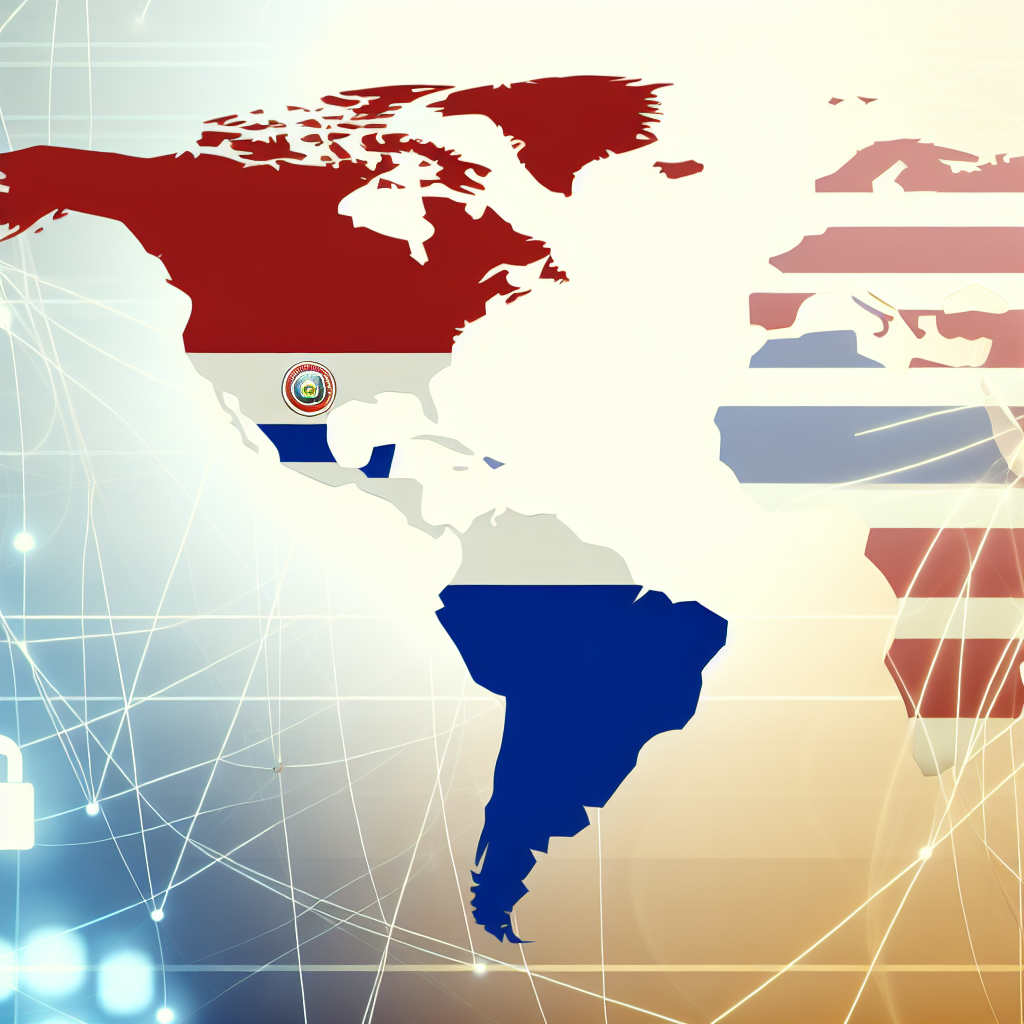
As an important member of Mercosur, Paraguay is often overlooked in the shadow of the bloc's larger economies, such as Brazil and Argentina. However, the country's strategic position and untapped potential give it a unique role in shaping Mercosur's trade policies and diplomatic relations. This article provides an in-depth analysis of Paraguay's influence within the Mercosur trade bloc and its implications for global trade.
Paraguay's economy, while smaller than its Mercosur counterparts, is one of the fastest-growing in South America. The country's agricultural sector, particularly soybean and beef exports, plays a vital role in its GDP and in Mercosur's trade portfolio. Paraguay's commitment to economic liberalization and free trade has often led it to push for more open policies within the bloc, countering protectionist tendencies from other members.
Paraguay's diplomacy has also been active in promoting the bloc's interests on the international stage. As a landlocked nation, Paraguay has been an advocate for greater regional integration and connectivity, which could benefit all Mercosur members and boost intra-bloc trade.
However, analysts suggest that Paraguay might face challenges in maintaining its influence within Mercosur. The country's economic dependency on its larger neighbors and external factors, such as fluctuating commodity prices, could affect its bargaining power. Moreover, ongoing negotiations for trade agreements with other regions, like the European Union, may test Paraguay's diplomatic acumen.
Regardless of these challenges, Paraguay's role in Mercosur is essential for the bloc's strategic direction and overall success. How Paraguay navigates its economic and diplomatic paths within Mercosur could shape the bloc's future and have far-reaching implications for global trade and diplomatic relations.