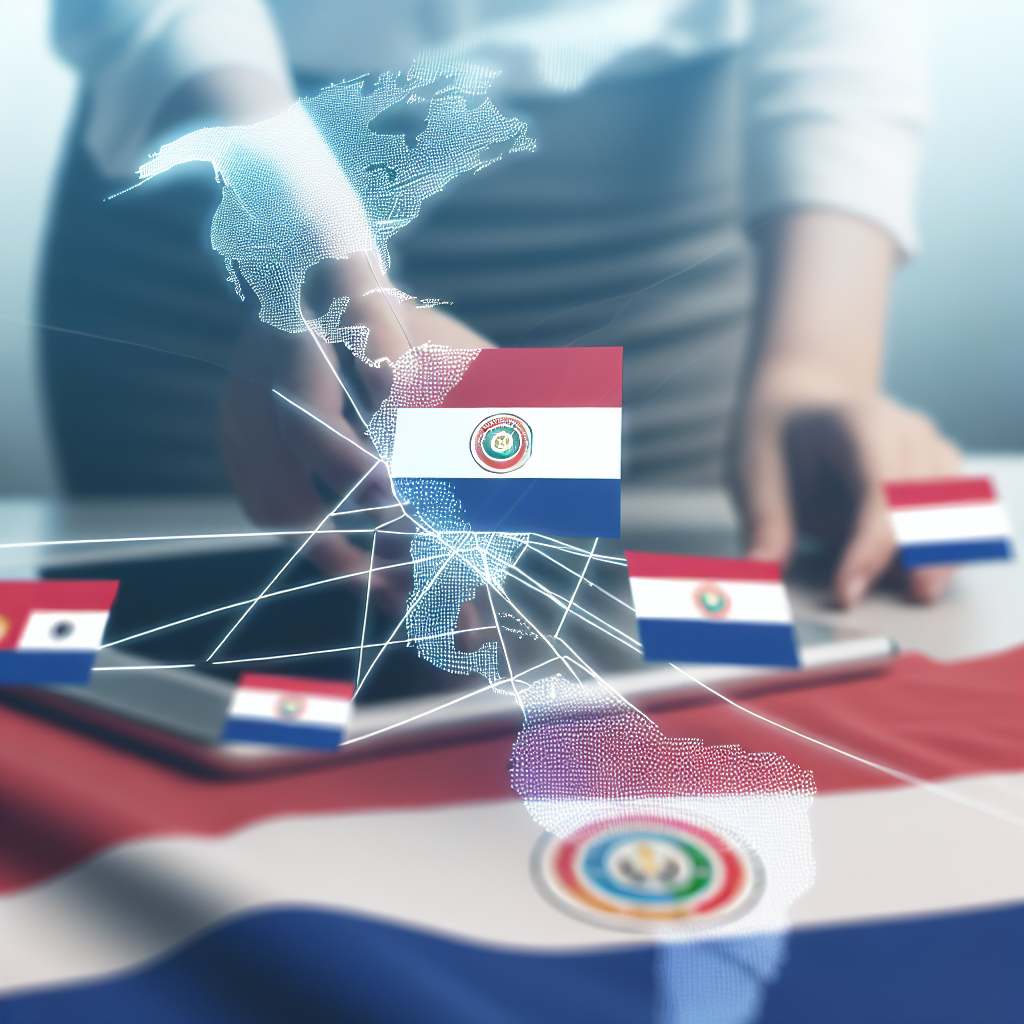
As one of the founding members of the Southern Common Market (Mercosur), Paraguay is strategically placed at the heart of South American trade. Paraguay's commitment to the bloc and its burgeoning economy have seen it evolve from a peripheral player to a significant contributor to regional economic integration.
Paraguay's GDP, primarily driven by agriculture and manufacturing, has consistently outpaced its neighbours in the past decade. These sectors are now pivotal in the country's deepening involvement in international trade. The nation's exports, largely soybeans and beef, have found robust markets in Europe, North America and Asia, diversifying Paraguay's trade portfolio and reducing dependence on regional economies.
The nation's ascendance in Mercosur and global trade has not come without challenges. Paraguay's landlocked geography necessitates strategic partnerships and robust infrastructure investments to facilitate trade. The Paraguayan government has risen to the occasion, investing heavily in transportation infrastructure and courting strategic partnerships with international players.
Paraguay's economic trajectory has also been shaped by its diplomatic relations. The nation has balanced its commitments to Mercosur with the pursuit of bilateral trade agreements, even as it navigates complex relationships with the bloc's dominant economies, Brazil and Argentina.
Looking forward, Paraguay may leverage its agricultural prowess and strategic location to further increase its share in global trade. As the nation continues to develop its infrastructure and strategically position itself within the Mercosur bloc and beyond, analysts suggest that Paraguay could become an even more influential player in South American and global trade dynamics.
In conclusion, Paraguay's evolving role in Mercosur and its growing influence in global trade presents an intriguing case study of economic resilience and strategic diplomacy. This development is not only reshaping Paraguay's own economic future but could also have significant implications for the broader regional and global economic landscape.