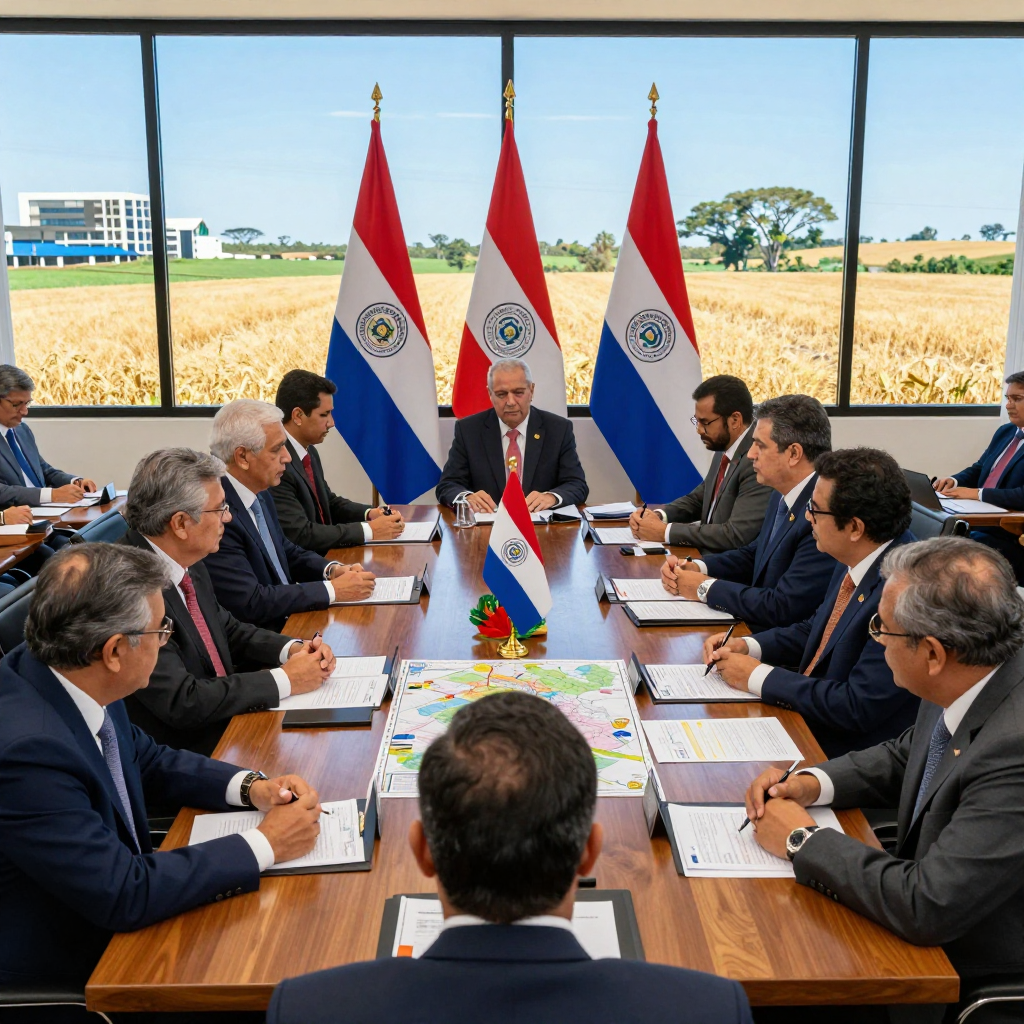
Asunción, Paraguay – In a rapidly evolving global trade landscape, Paraguay finds itself at a pivotal juncture, leveraging its membership in Mercosur to drive economic growth and strengthen diplomatic ties. With its robust agricultural sector and expanding manufacturing base, the nation is uniquely positioned to benefit from both intra-regional cooperation and international trade agreements.
Mercosur, comprising Argentina, Brazil, Paraguay, Uruguay, and Venezuela (suspended since 2016), has long been a cornerstone of Paraguay's foreign policy. Recent developments, including efforts to modernize the bloc’s trade framework, have signaled an intent to boost Paraguay's participation in global value chains. Analysts suggest that the ongoing discussions around a potential free trade agreement between Mercosur and the European Union (EU) may open new avenues for Paraguayan exporters, particularly in sectors such as soybeans, cotton, and beef, which already account for a significant portion of the nation's exports.
However, Paraguay faces diplomatic challenges that could affect its economic trajectory. Tensions within Mercosur, driven by political differences, have occasionally strained relations among member states. These dynamics underscore the importance of Paraguay's commitment to maintaining regional harmony, as friction could hinder progress on shared economic goals. The country's leadership has emphasized the need for diplomacy and collaboration to ensure that Mercosur remains a viable platform for trade expansion.
In terms of domestic preparedness, Paraguay is investing in infrastructure development to improve logistical efficiency. Projects such as the modernization of ports and highways aim to reduce transportation costs and enhance connectivity, making it easier for businesses to access both regional and international markets. Furthermore, the government has launched initiatives to attract foreign direct investment (FDI) in sectors like agribusiness and renewable energy, positioning the country as an attractive destination for multinational corporations.
Analysts highlight that Paraguay’s success hinges not only on external opportunities but also on internal reforms. Strengthening governance, combating corruption, and improving legal frameworks are critical steps in creating a more investor-friendly environment. In addition, fostering collaboration between local enterprises and regional partners could lead to joint ventures that enhance competitiveness and innovation.
Looking ahead, Paraguay’s participation in Mercosur presents both opportunities and challenges. While the potential benefits of increased trade integration are clear, navigating regional political complexities will be essential. By focusing on sustainable growth strategies and proactive engagement with international partners, Paraguay can solidify its role as a key player in Mercosur and unlock its full economic potential on the global stage.